Former Oculus leaders are betting big on a future where your glasses don’t just help you see, they help you think, talk, and navigate the world with an AI companion by your side. Sesame, a startup developing conversational AI technology and smart glasses, announced Tuesday it has secured $250 million in Series B funding. The round was led by Sequoia and Spark Capital, along with other undisclosed investors, as the company prepares to launch its beta program to select testers.
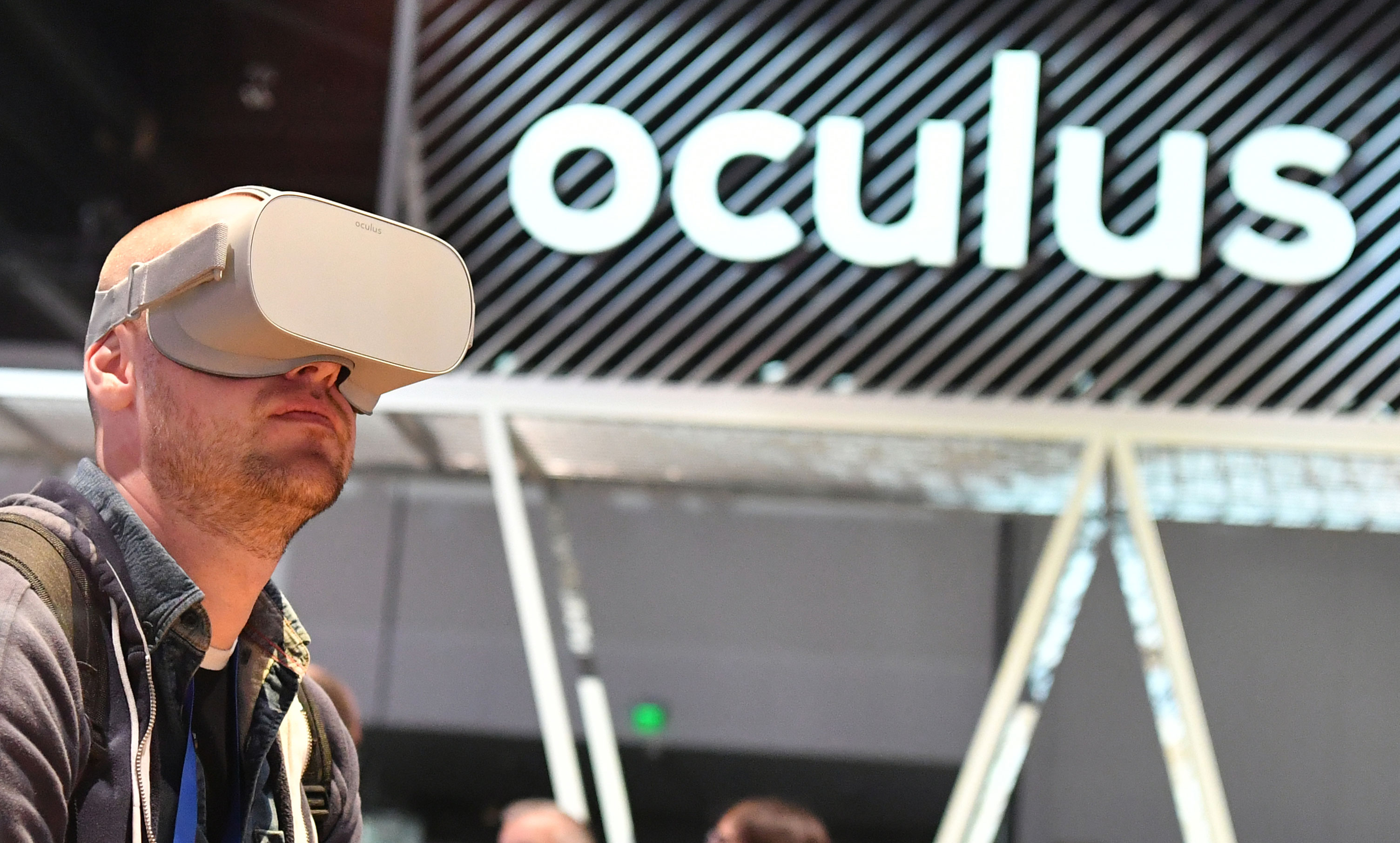
At the helm of Sesame are some familiar faces from the virtual reality world. Co-founder and CEO Brendan Iribe, who previously led Oculus through its formative years, has teamed up with Ankit Kumar, former CTO of AR startup Ubiquity6.
Together, they’re building what they believe will be the next evolution in personal computing: lightweight eyewear with an AI agent that sounds remarkably human.
What sets Sesame apart from the crowded field of AI assistants isn’t just the hardware, it’s the voice. When the company emerged from stealth mode in February, it released two demo AI voices called “Maya” and “Miles.”
The response was immediate and overwhelming. More than a million people tried the demos within the first few weeks, generating over 5 million minutes of conversation.
Sesame AI’s ‘Natural-Sounding’ Technology Praised by The Verge
According to Sequoia’s announcement about the funding round, there’s something fundamentally different about how Sesame’s technology works.
Instead of simply converting text responses from large language models into robotic-sounding audio, Sesame generates speech directly. This approach captures the natural rhythm, emotion, and expressiveness that make human conversation feel, well, human.
The Verge tested the technology and described it as “genuinely fun” and “natural-sounding”, high praise in a world where most AI voices still sound distinctly artificial.
Sesame isn’t just focused on making its AI sound good, the company wants its glasses to look good, too. In a market where smart glasses have often prioritized technology over style, Sesame is taking a different approach. The company says its upcoming eyewear will be fashion-forward enough that people will want to wear it even without the AI features.
The glasses will feature high-quality audio and house an AI companion designed to “observe the world alongside you.” While the company hasn’t shared a specific release date, Sequoia acknowledged that “hardware takes time,” suggesting the glasses are still in development.
That hardware development is backed by serious expertise. Beyond Iribe and Kumar, the founding team reads like an Oculus reunion. Nate Mitchell, another Oculus co-founder, serves as chief product officer. Hans Hartmann, former Oculus COO and Fitbit executive, has taken on the COO role.
The team also includes Ryan Brown, a former Oculus engineering manager and Reality Labs engineering director, along with longtime Facebook and Meta executive Angela Gayles.
Sesame Launches Confidential iOS Beta for AI Wearable Tech
While the smart glasses remain in development, Sesame is giving early adopters a taste of what’s to come. Iribe announced on X (formerly Twitter) that the company is opening an early beta of its iOS app. This app will let testers experience Sesame’s AI technology firsthand, with capabilities that include search, text, and thinking functions.
There’s one catch: beta testers are being asked to keep their experiences under wraps. The company requests that participants keep all features and results confidential, limiting discussions to official beta test forums only. This level of secrecy suggests Sesame still has surprises up its sleeve.
Sesame enters a competitive landscape where tech giants and startups alike are racing to create the next generation of AI-powered wearables. Meta has its Ray-Ban smart glasses with AI features, while companies like Humane have launched AI pins that users wear on their clothing. The question isn’t whether AI wearables will become mainstream, it’s which approach will win consumers over.
With its combination of veteran hardware expertise, genuinely impressive voice technology, and substantial funding, Sesame has positioned itself as a serious contender. Whether consumers are ready to wear AI on their faces remains to be seen, but if anyone can make it happen, a team that helped bring VR to the masses might just be the ones to do it.