Saudi Arabia is getting ready for a significant change in the country’s real estate market. One of the biggest liberalization initiatives in the Kingdom’s history will begin in January 2026 when foreigners will be permitted to buy property throughout the majority of the nation. Saudi real estate, which was once thought to be a strictly regulated market, is now being promoted as a worldwide investment destination, which is in line with the nation’s aspirational vision for economic change.
Saudi Arabia is prepared to welcome foreign capital into the center of its towns and communities, as this decision indicates in addition to a shift in regulations.

Credits: Arab News
Where Foreigners Can—and Cannot—Buy Homes
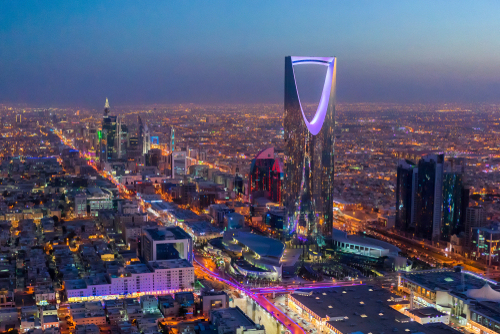
With four significant exceptions—Makkah, Madinah, Jeddah, and Riyadh—the new rule will allow foreigners to own residential property countrywide. The government’s careful attitude is explained by the religious, political, and economic significance of these cities.
The door isn’t completely closed, though. Majed Al-Hogail, Minister of Municipalities and Housing, explained that, with official approval, certain areas within these limited cities may eventually be made available to international buyers. This gives authorities latitude to strike a balance between foreign interests, cultural sensitivity, and urban planning concerns.
For international buyers, this means vast new opportunities in emerging cities, coastal regions, and fast-developing economic zones across the Kingdom.
Commercial, Industrial, and Agricultural Assets Fully Open
While residential ownership comes with select limitations, Saudi Arabia has taken a far more liberal stance on non-residential assets. Commercial, industrial, and agricultural properties will be fully open to foreign ownership throughout the country, without geographic restrictions.
This move is clearly designed to attract long-term institutional investors, multinational corporations, and developers looking to establish a permanent footprint in the Kingdom. From logistics hubs and factories to office parks and large-scale farms, Saudi Arabia is positioning its real estate sector as a key engine for foreign direct investment and job creation.
A Clear Legal Framework with Strong Safeguards
To support this opening, the government has put in place a robust regulatory framework focused on transparency and compliance. All property transactions involving foreign owners must be registered with the Real Estate Registry, ensuring traceability and legal clarity.
The law also carries teeth. Violations can attract fines of up to SR10 million (around $2.67 million), and in serious cases, authorities may order the sale of the property through the courts. According to Al-Hogail, the safeguards are intentional. “The framework ensures that foreign ownership does not grant additional privileges beyond those defined by law,” he said.
This approach reassures domestic stakeholders that the reform will not distort the market or undermine national interests.
Credits: Madhyamam
Why This Matters for Saudi Arabia’s Economy
This reform is closely aligned with Vision 2030, Saudi Arabia’s blueprint to diversify its economy beyond oil. Real estate plays a central role in that vision, supporting sectors such as tourism, logistics, manufacturing, and urban development.
By opening property ownership to foreigners, Saudi Arabia is making itself more attractive to global talent, expatriates, and investors who prefer long-term asset ownership over temporary leasing. It also enhances the Kingdom’s competitiveness against regional hubs like Dubai and Abu Dhabi, which have long benefited from open property markets.
A Potential Game-Changer for Global Investors
For international investors, the announcement is a signal moment. Saudi Arabia offers scale, government-backed infrastructure spending, and rapidly evolving cities—all now paired with ownership rights. While regulatory oversight remains strict, the clarity of rules reduces uncertainty, a key factor for foreign capital.
As implementation details emerge over the coming months, interest is expected to surge. Many believe this reform could redefine Saudi Arabia’s real estate market, transforming it from a domestically driven sector into a globally integrated investment arena—one that carefully balances openness with control.