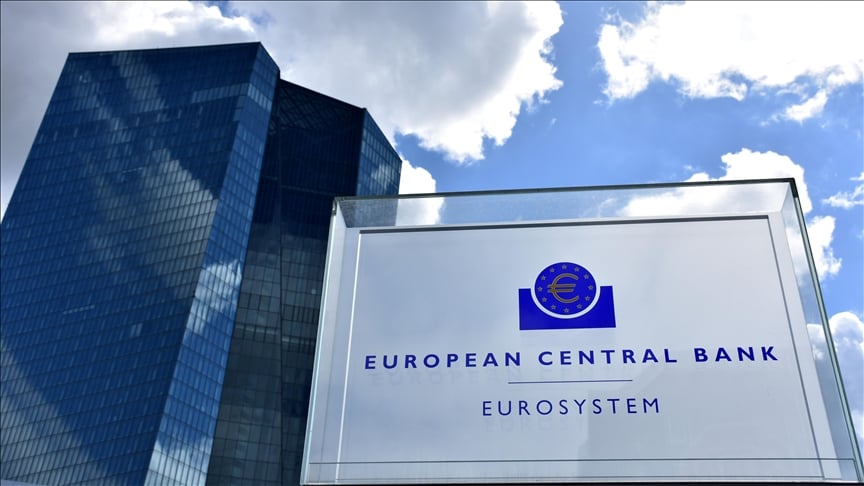
The European Central Bank (ECB) is preparing to switch gears, and it is a move that is catching many financial analysts completely off guard. Just a few short weeks ago, the prevailing wisdom across trading floors was that we might see a single, modest interest rate hike this year. Now, however, the economic landscape has shifted dramatically. With inflation stubbornly refusing to cool down, the central bank is actively preparing to raise interest rates twice before the year closes. This turn of events represents an extremely strong and abrupt turn-around to the relatively easy-going paths that global monetary markets did in fact become quite comfortable with.
A Sudden Reversal in Monetary Strategy
The core financial arithmetic must have altered faster than anticipated by almost all persons. In a recent Bloomberg survey conducted from early May 2026, economist’s opinion and data have altered extremely quickly and therefore the final compromise among all persons concerned will change quickly as well. Financial experts now strongly expect the central bank to implement a pair of 25 basis point increases—one expected in June and another to follow in September. If this specific timeline plays out as predicted, it will push the current deposit facility rate from 2.00 percent up to 2.50 percent. This aggressive shift is quite a break from what could have been expected from a previous decision meeting earlier this month at the end of April.
Global Conflicts Drive the Inflation Surge
What has caused Frankfurt’s sudden change of attitude? Recent increases in tension in Iran and changes to shipping routes around the world have caused marked fluctuations in the cost of energy, causing a substantial effect on overall consumer inflation in euro-area economies; current rates of inflation in euro area countries are 2.9% to 3%. These inflation levels are well above the targeted rate (2%) set by the European Central Bank, causing the policymaker to start factoring ECB’s prior cautious, conservative approach into their decision-making.
Policymakers Sound the Warning Bell
Top officials at the central bank are no longer mincing their words regarding the economy. President Christine Lagarde and influential board member Isabel Schnabel have both strongly indicated that tightening the economic belt is now the absolute priority. Schnabel has been particularly direct about the urgency of the situation, publicly warning that waiting around for localized wage pressures to fully materialize before taking action could easily prove “too late.” Those who have provided statements are illustrating a growing level of agreement among other members in terms of the need for an immediate response to the rising inflation due to the increased cost of energy.
What Investors Should Watch Next
While the highly anticipated June rate hike is the immediate focal point, seasoned investors are looking slightly further ahead. The most critical signal for the global economy will emerge from the central bank’s updated economic projections and Lagarde’s upcoming press conference. If the official inflation forecasts are suddenly revised upward for 2027, the market will rapidly begin pricing in the reality that 2.50 percent might not actually be the ceiling. Policymakers were previously claiming to have an extremely consistent, uncompromising view through data, but are now admitting they will need to put in place tighter measures sooner than expected to avoid high levels of inflation from becoming an integral part of Europe’s economy.