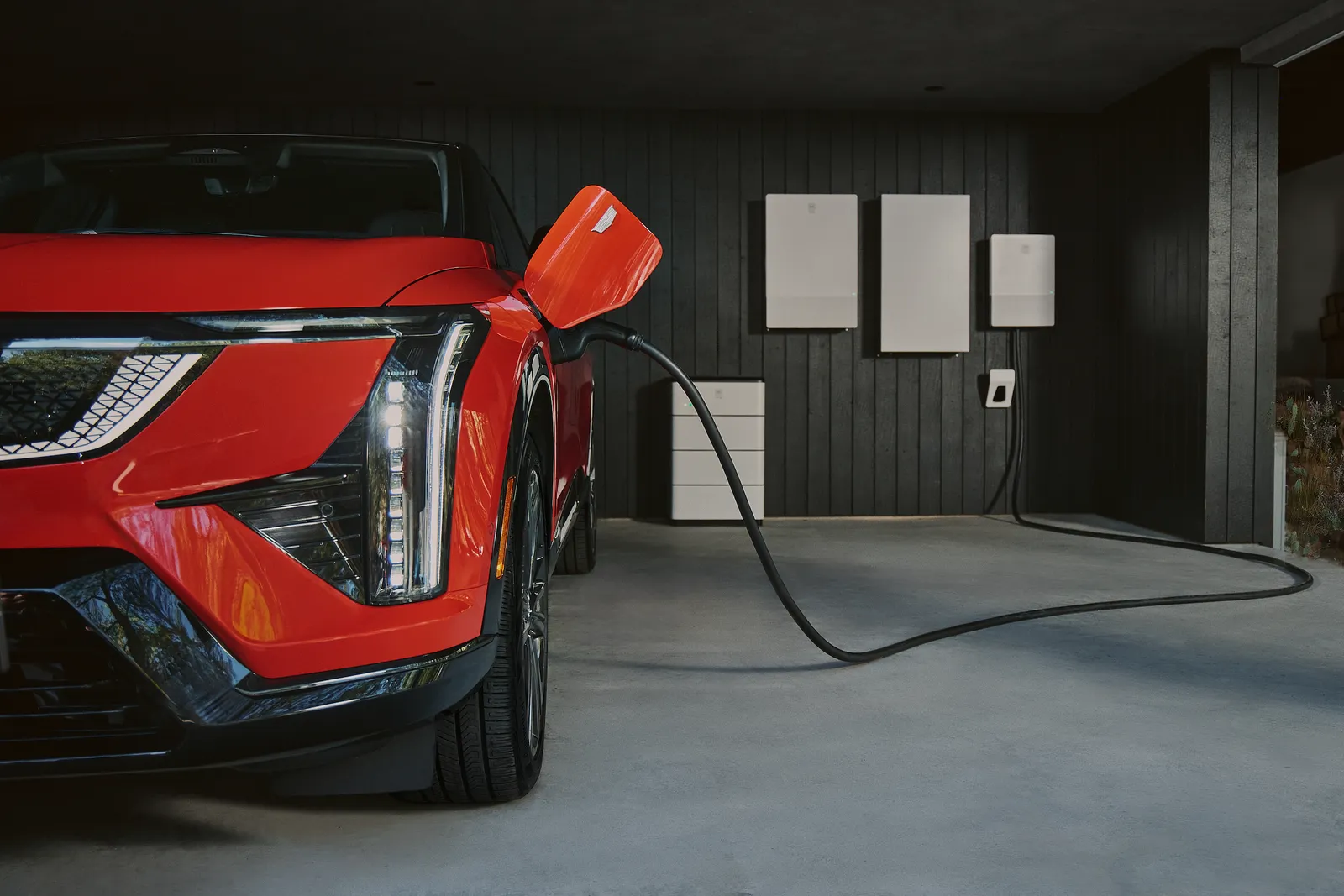
For years, critics warned that a future filled with electric vehicles would put enormous strain on power grids. Now, General Motors believes the opposite could happen.
At a recent GM Energy event in San Francisco, the automaker unveiled plans that could transform electric vehicles from simple modes of transportation into mobile power sources capable of supporting homes, businesses, and even the wider electricity grid.
The announcement comes at a time when electricity demand is rising rapidly, fueled in part by the explosive growth of artificial intelligence and energy-hungry data centers. Instead of viewing EVs as part of the problem, GM sees them as part of the solution.
Your Car Could Soon Become a Power Bank
Imagine returning home after work and using the energy stored in your vehicle to power your house during a blackout. Or plugging your car into a charging station and getting paid for sending electricity back to the grid when demand spikes.
That future is exactly what GM is working toward.
The company’s GM Energy division announced expanded support for vehicle-to-grid (V2G) technology, allowing compatible electric vehicles to not only draw electricity from the grid but also send it back when needed.
To make this possible, GM is partnering with major utility providers, including PG&E in California and DTE Energy in Michigan. Together, they hope to create a network where thousands of EVs act as distributed energy resources, helping stabilize the grid during peak demand periods.
GM says more than 250,000 of its EVs on the road today are already capable of supporting bidirectional charging.
Why This Matters Now
The push comes as utilities across the United States face growing pressure to supply more electricity than ever before.
Artificial intelligence, cloud computing, and large-scale data centers are consuming massive amounts of power. Building new energy infrastructure takes years, which is why utilities are increasingly looking for smarter ways to use existing resources.
That’s where EVs enter the picture.
A parked electric vehicle spends most of its life sitting idle. GM believes those unused battery packs could become valuable energy assets, storing electricity when demand is low and feeding it back into the grid when demand surges.
According to projections shared by GM and PG&E, around 52,000 participating vehicles in Northern California could collectively provide enough electricity to power every home in San Francisco for roughly half a day.
A New Battery Strategy Beyond Cars
GM’s ambitions extend beyond vehicles.
The company also announced a partnership with Peak Energy to develop sodium-ion batteries designed specifically for large-scale energy storage systems.
Unlike batteries used in cars, grid storage batteries don’t need to be lightweight or compact. They need to last a long time, operate safely, and remain affordable.
Sodium-ion technology is attracting attention because sodium is far more abundant and less expensive than materials commonly used in lithium-based batteries. GM says the new systems could reduce operating costs while delivering longer service life for utility-scale energy storage.
Commercial production is expected to begin later this decade.
Giving Old EV Batteries a New Purpose
GM is also finding ways to extend the life of batteries that have finished their automotive careers.
Through an expanded partnership with Redwood Materials, the automaker will repurpose retired EV battery packs for energy storage projects. One such installation at a GM facility in Michigan is expected to generate significant utility savings while reducing waste.
It’s a practical example of how EV batteries can continue delivering value long after they leave the road.
The Bigger Picture
The most interesting takeaway from GM’s latest announcements is that the company is no longer talking only about cars.
It’s talking about energy.
As power demand continues to climb and utilities search for flexible solutions, automakers are beginning to see EV batteries as part of a much larger ecosystem. The car parked in a driveway may soon do far more than transport its owner from one place to another.
It could help keep the lights on.