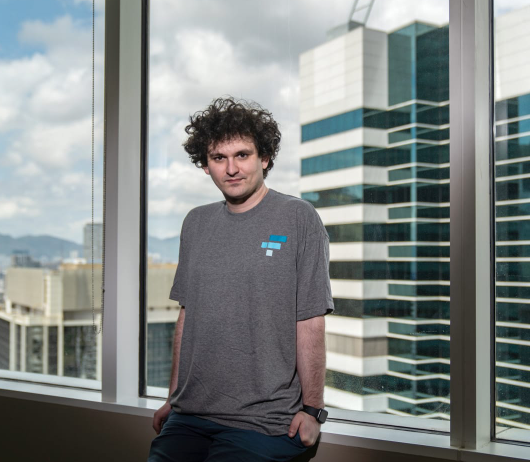
The final legal avenue for one of history’s most notorious cryptocurrency fraudsters has officially closed. On Friday, June 12, 2026, a federal appeals court definitively rejected a bid by disgraced FTX founder Sam Bankman-Fried to overturn his conviction and secure a new trial. Consequently, the high-profile ruling confirms that Sam Bankman Fried loses sentence appeal efforts, ensuring the former billionaire will remain behind bars to serve out the remainder of his 25-year prison term.
A three-judge panel for the 2nd U.S. Circuit Court of Appeals issued the unanimous decision following aggressive oral arguments from the defense team. Bankman-Fried’s lawyers had argued that the original trial judge, U.S. District Judge Lewis Kaplan, was biased and unfairly limited the defense’s ability to present critical evidence. However, the appellate panel found absolutely no merit in these claims, ruling that the original judicial proceedings were entirely fair and conducted in strict accordance with federal legal standards.
The Legal Challenge: Why the Appeal Failed
In the formal filings leading up to the decision, Bankman-Fried’s defense team claimed that the trial court repeatedly blocked them from introducing evidence that could have proven his innocence. Specifically, they argued they were prevented from showing that FTX clients would eventually recover their lost assets through the corporate bankruptcy process.
The appellate judges flatly dismissed these arguments, affirming Judge Kaplan’s original boundaries:
- The Bankruptcy Irrelevance: The court ruled that subsequent asset recovery does not erase the initial act of fraud. Stealing customer funds is a crime, even if the money is later recovered.
- No Evidence of Judicial Bias: The panel noted that Judge Kaplan’s strict management of the courtroom did not cross the line into prejudice or partiality.
- Overwhelming Witness Testimony: The judges highlighted that the jury’s verdict was backed by massive, undeniable evidence, including the cooperation of Bankman-Fried’s closest inner circle.
Tracking the Downfall: From Crypto Royalty to Federal Inmate
The denial of the appeal marks the final chapter in a corporate collapse that fundamentally transformed the digital asset industry. At its peak in early 2022, FTX was valued at a staggering $32 billion, positioning Bankman-Fried as a prominent face of global crypto adoption.
The Financial Trajectory of the FTX Collapse
| Chronological Event Phase | Operational Metric Baseline | Ultimate Institutional Result |
| Peak Exchange Valuation | $32 Billion Private Market Cap | Kingmaker status on Wall Street |
| The Customer Deficit | $8 Billion Missing Balance | Systemic run on the platform |
| Criminal Court Sentencing | 25-Year Federal Prison Term | Mandated $11 Billion forfeiture |
| Appellate Court Review | Unanimous 3-0 Panel Rejection | Sam Bankman Fried loses sentence appeal |
The initial 2023 trial exposed how Bankman-Fried secretly funneled billions of dollars in FTX customer deposits straight into his private hedge fund, Alameda Research. The diverted capital was used to cover speculative trading losses, fund luxury real estate purchases in the Bahamas, and bankroll tens of millions of dollars in illegal political campaign contributions.
Long-Term Implications for the Digital Asset Ecosystem
The definitive conclusion of Bankman-Fried’s criminal appeal provides a significant sense of closure for the broader financial sector. With his 25-year sentence firmly locked in place, federal prosecutors have successfully demonstrated that traditional anti-fraud frameworks carry immense weight when applied to the digital frontier.Ultimately, the ruling sets a stark precedent for current technology and cryptocurrency founders navigating intense market scale. As international regulators implement stricter auditing rules, the message from the federal judiciary is unmistakable: innovative asset structures do not grant immunity from accountability. Bankman-Fried, who once weaponized his vast wealth to influence global regulatory policy, will now spend the next two decades in a federal correctional facility, serving as a permanent cautionary tale for Silicon Valley.