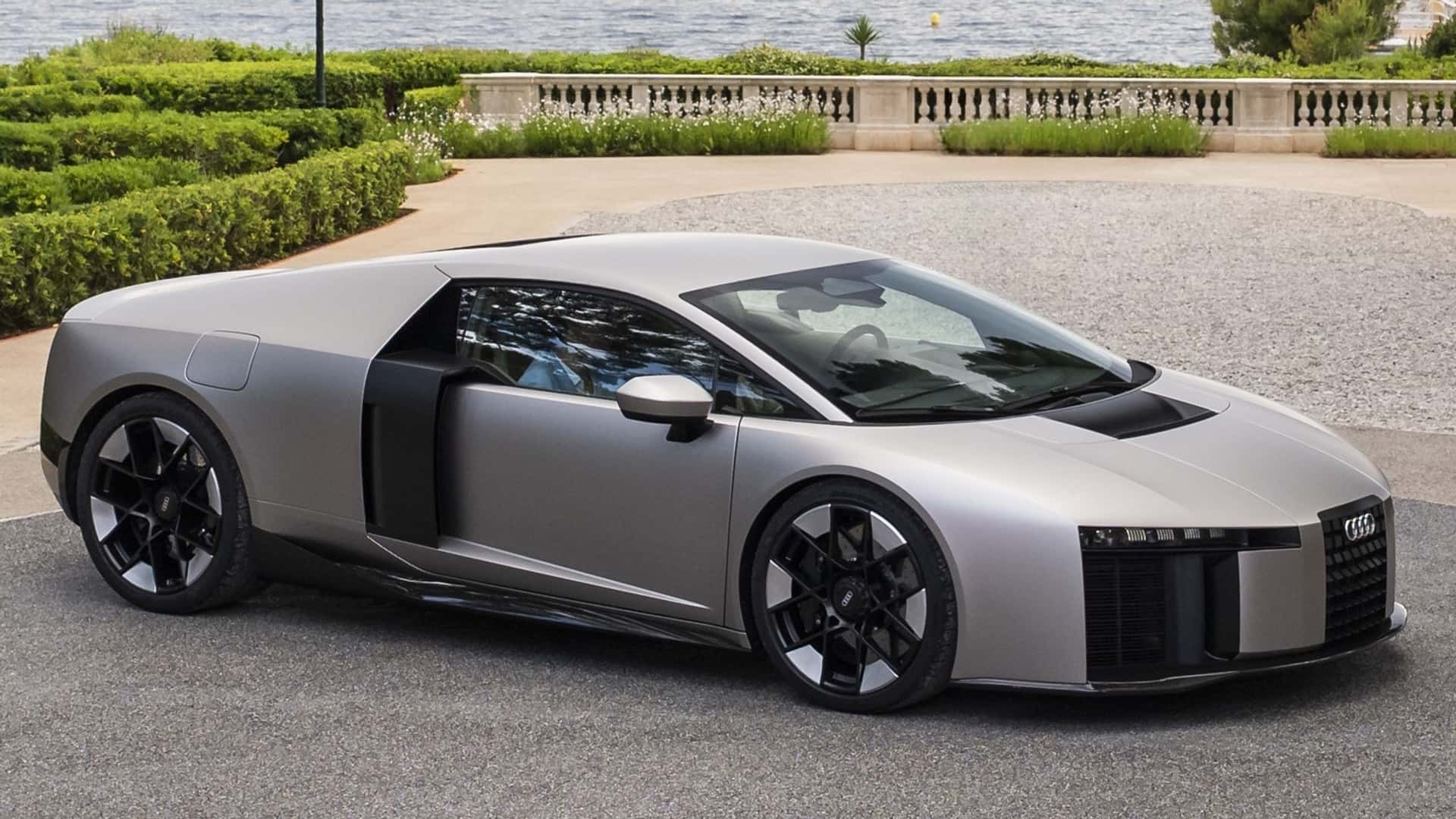
If there is one car that has sparked conversations across the automotive world in 2026, it is the Audi Nuvolari. Bold, unconventional, and unmistakably different from anything the German automaker has produced in recent years, the limited-production supercar is more than just an exotic halo model. According to Audi’s designers, it is a glimpse into the future of the brand itself.
In a recent discussion with automotive media, Audi’s Head of Exterior Design, Tobias Hoess, shed light on the thinking behind the Nuvolari and how the company developed one of its most ambitious projects in record time.
Designed at an Unprecedented Pace
The Nuvolari’s journey began in April 2025 when Audi assembled a small, dedicated team to shape what would become its new flagship performance car. While automotive development cycles often stretch over several years, the Nuvolari was brought together through close collaboration between designers, engineers, and company leadership in a remarkably compressed timeframe.
The result is a vehicle that introduces Audi’s new “Radical Next” design language, a dramatic departure from the softer, more familiar styling cues seen on previous generations of Audi performance models.
Although its visual roots can be traced back to the Concept C unveiled in late 2025, the production Nuvolari follows a different path mechanically. Instead of adopting an all-electric platform, it shares its underlying architecture with the Lamborghini Temerario, combining traditional supercar performance with a distinctly Audi identity.
Built to Look Like Solid Metal
One of the most intriguing aspects of the Nuvolari is the illusion it creates. At first glance, the car appears sculpted from a single block of metal, reflecting Audi’s desire to emphasize solidity, precision, and craftsmanship.
Ironically, the body is not metal at all.
The entire exterior is constructed from carbon-fiber reinforced polymer, a material choice inspired in part by expertise gained through Audi’s Formula 1 involvement and wider Volkswagen Group resources.
This advanced construction method allowed designers to create sharper edges, tighter panel gaps, and more intricate surfaces than would have been possible using traditional sheet metal. The result is a cleaner and more precise appearance that aligns perfectly with the company’s minimalist design philosophy.
Hidden Aerodynamics, Maximum Impact
Perhaps the most impressive achievement of the Nuvolari is how it conceals its aerodynamic performance.
Unlike many modern supercars that rely on oversized wings, aggressive splitters, and dramatic aero add-ons, Audi’s designers sought a cleaner solution. Hidden aerodynamic elements are integrated seamlessly into the bodywork, preserving the car’s minimalist appearance.
A sophisticated front S-duct system works alongside a concealed rear spoiler to generate significant aerodynamic performance. Together, these systems help the Nuvolari produce approximately 882 pounds of downforce without compromising its sleek silhouette.
The approach reflects Audi’s belief that performance and beauty should coexist rather than compete for attention.
More Than a Supercar
For Audi, the Nuvolari is not simply a limited-run collector’s item. It serves as a design manifesto for the brand’s future.
Every proportion, surface, and detail has been carefully considered to establish a new visual identity that could eventually influence the wider Audi lineup. While only 499 examples of the Nuvolari will be produced worldwide, its impact is expected to extend far beyond those fortunate enough to own one.
Whether enthusiasts embrace its radical styling or not, the Nuvolari represents something increasingly rare in today’s automotive landscape: a willingness to take risks. And if Audi can successfully translate some of this design DNA into more accessible sports cars in the future, the Nuvolari may ultimately be remembered as the car that reshaped the brand’s identity for a new generation.