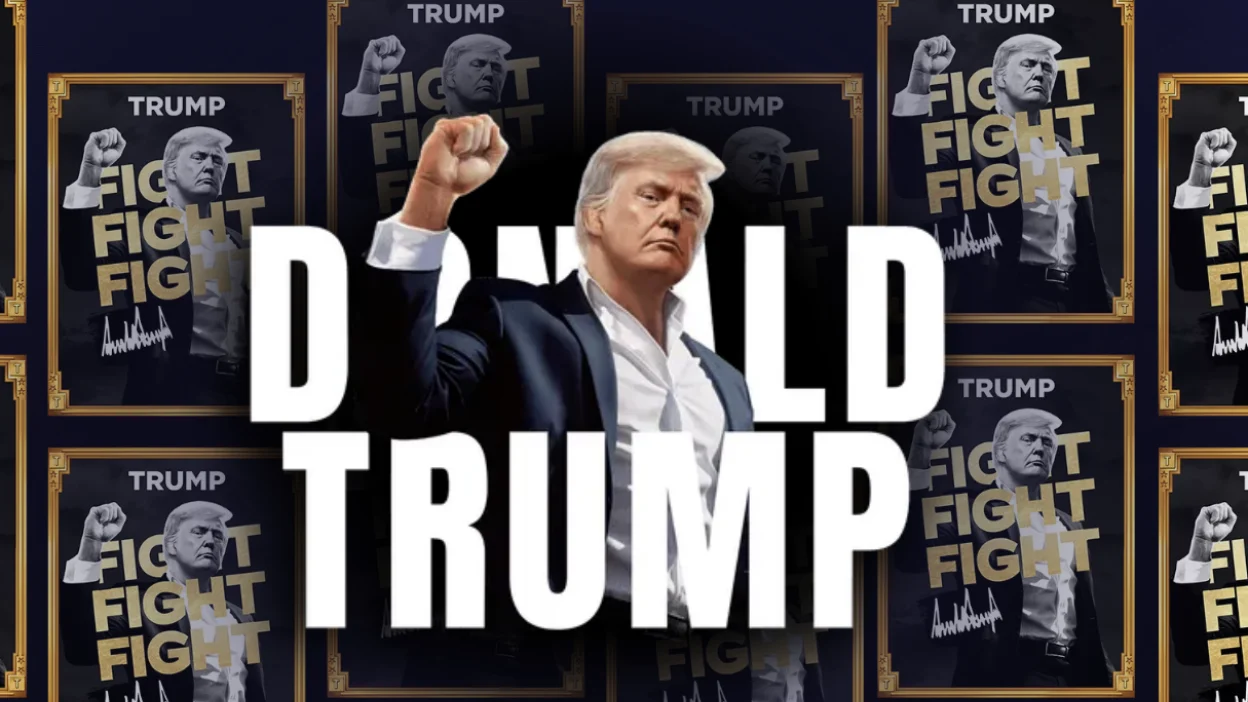
Major corporations’ political profit is vastly inflated compared to lost profits of retail investors compared to all digital assets in the digital currency space. The amount of profit President Trump has made off of his memecoins has resulted in huge profits to him and financially benefited his family business. However, this massive accumulation of wealth stands in sharp contrast to the immense financial pain felt by everyday buyers. New data reveals that nearly one million individual investors, many of whom are dedicated political supporters, have suffered heavy losses after buying into the highly volatile digital asset.
The Historic Multi-Million Dollar Payout
According to the president’s massive annual financial disclosure released by the Office of Government Ethics, cryptocurrency has rapidly transformed into his largest single source of income. The comprehensive document revealed that Trump secured a massive $636 million payout directly linked to the $TRUMP memecoin business. This revenue was largely funneled through CIC Digital LLC, a Trump Organization affiliate, via a specialized licensing agreement with an entity known as Celebration Coins. Altogether, the president reported at least $1.4 billion in total crypto-related income during the filing period.
Blockchain Data Exposes Deep Retail Losses
While the venture proved incredibly lucrative for the Trump family, the story on the secondary market is vastly different. Onchain analytics compiled by blockchain data firm Nansen paint a grim picture for ordinary buyers. Data shows that 988,905 unique digital wallets—representing roughly two out of every three buyers—are currently sitting at a net loss on the $TRUMP token.The amount of money investors have lost from selling their assets for less than what they originally paid is known as “tangible” loss. In addition to these tangible losses, long-term holders of a token (those who have held their token) have also lost value in the form of “unrealized” losses, as the price for which they bought their token is significantly less than its current market price.
Dissecting the Destructive Token Collapse
An asset has different methods that can show how much damage it is causing to the economy including tracking the price of all individual tokens. The asset was first publicly released on the Solana blockchain, the price peaked and has since lost a large amount of value. Currently, one can purchase this asset for $1.78, which demonstrates a 93.9% decline in value since its all-time record high. The entire Trump digital ecosystem has been similarly hit with price declines, with the World Liberty Financial token falling over 75%, and the First Lady’s home token down over 98% from its peak price.
Built-In Mechanisms Protect Early Creators
The stark economic divide between the token creators and retail buyers highlights how modern memecoin structures operate. Unlike the public, who bought into the asset at much higher prices during peak hype cycles, Trump and his associated entities were entirely insulated from market volatility. The foundational structure allowed the founders to systematically generate massive, steady revenue streams through initial token allocations, lucrative corporate licensing fees, and microscopic transaction fees collected every single time the asset was bought or sold on secondary digital exchanges.
Rising Friction and Political Backlash in Washington
The sudden revelation of a $1.4 billion presidential crypto windfall has quickly ignited a fierce political debate across Washington.Some legislators are outspoken in their desire for improved ethical standards regarding the conduct of officials in government, and they feel very strongly about their beliefs. They have asked that all current members of the executive branch of government will be prohibited from making, being an owner of, or promoting any type of virtual currency while a member of the executive branch.
The democratic administration continues to acknowledge these criticisms that are aimed towards them; but continues to feel strongly in their position that the President has made the U.S.A the premiere world leader (capital) of digital innovation, while continuing to work to ensure that they are doing so in the best interests of the economy and citizens of the United States.