It was a perilous situation with excessive heat and severe storms that impacted many lives throughout the United States over the holiday period of Independence Day. While other places were holding festivities to commemorate the 250th year of Independence, the bad weather interfered and made things difficult.
People found travel, outdoor activities, and even basic day-to-day activities difficult due to extremely high temperatures, stormy weather, and rain. People were advised to take safety measures and remain indoors wherever necessary until Sunday.
Severe Storms Sweep Across Large Parts of the US
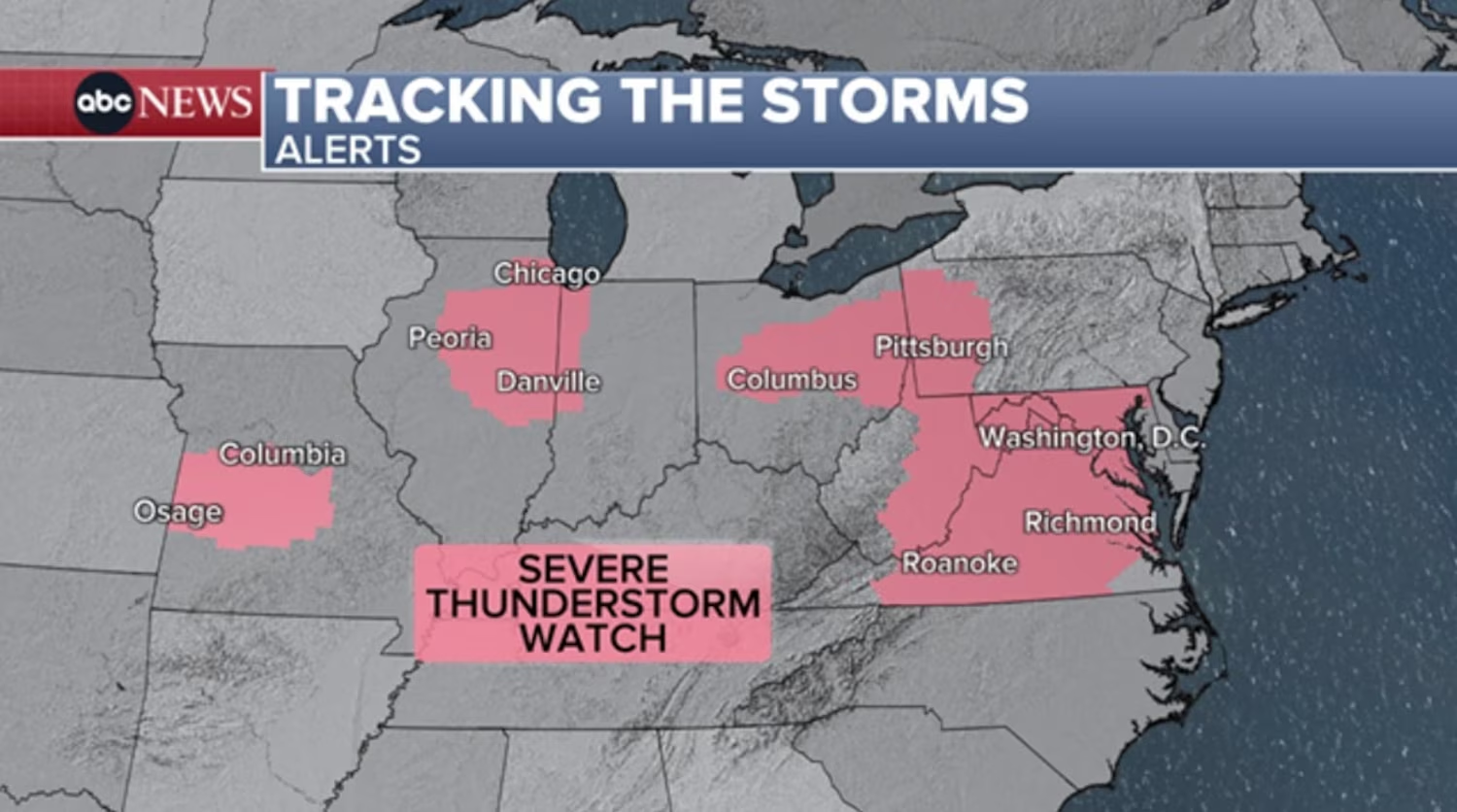
More than 75 million individuals received severe weather warnings as thunderstorms formed between the Great Plains and the Northeast.
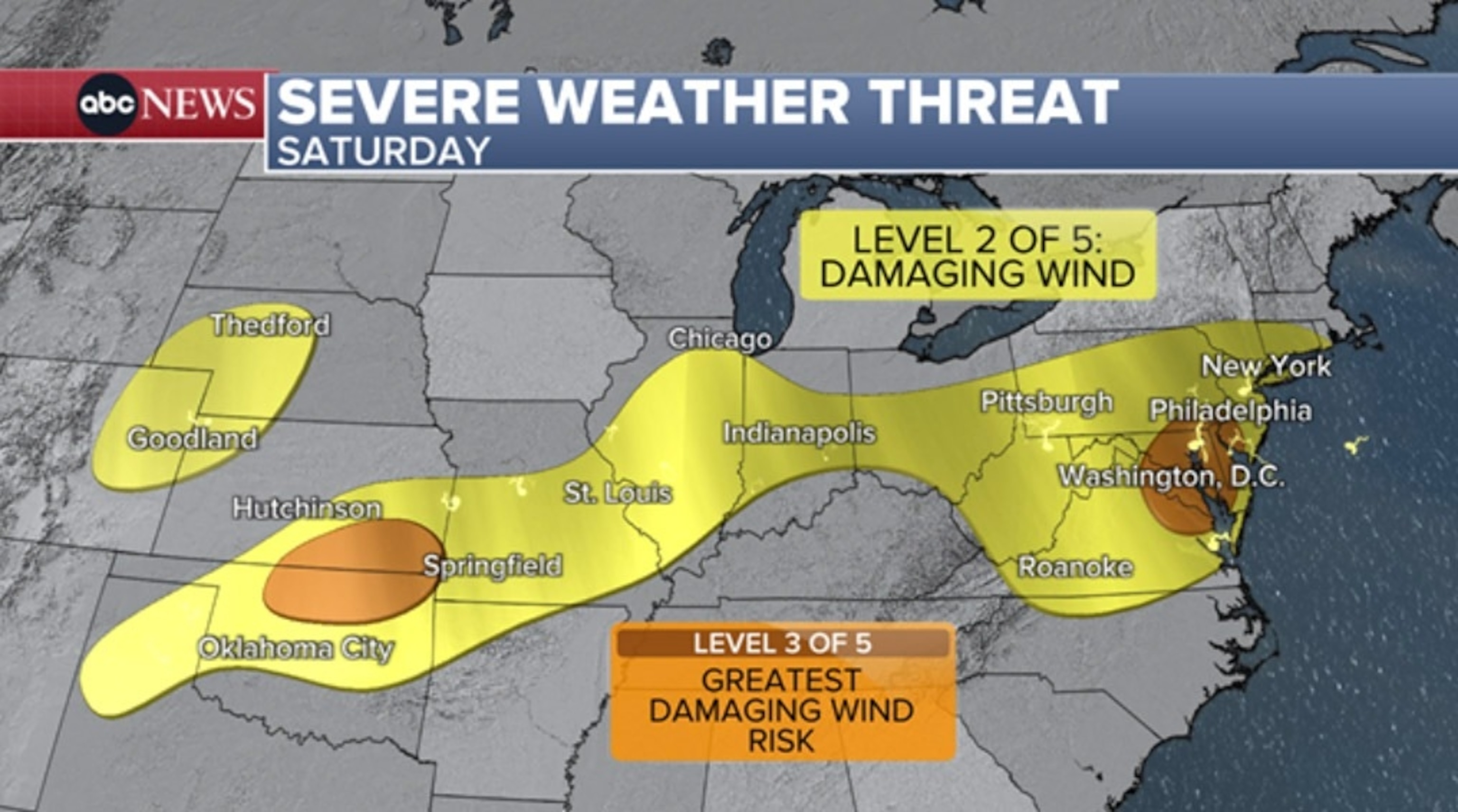
The forecasters stated that the greatest danger was from strong winds that could cause damage to buildings, blow down trees, and power lines. Thunderstorms also brought lighting and heavy rains causing the likelihood of flooding.
The places at high risk include the following:
- Washington, D.C.
- Baltimore
- Northern Virginia
- Kansas
- Oklahoma
The National Weather Service put these areas on a Level 3 of 5 for severe weather risks, indicating numerous severe thunderstorms through the day.
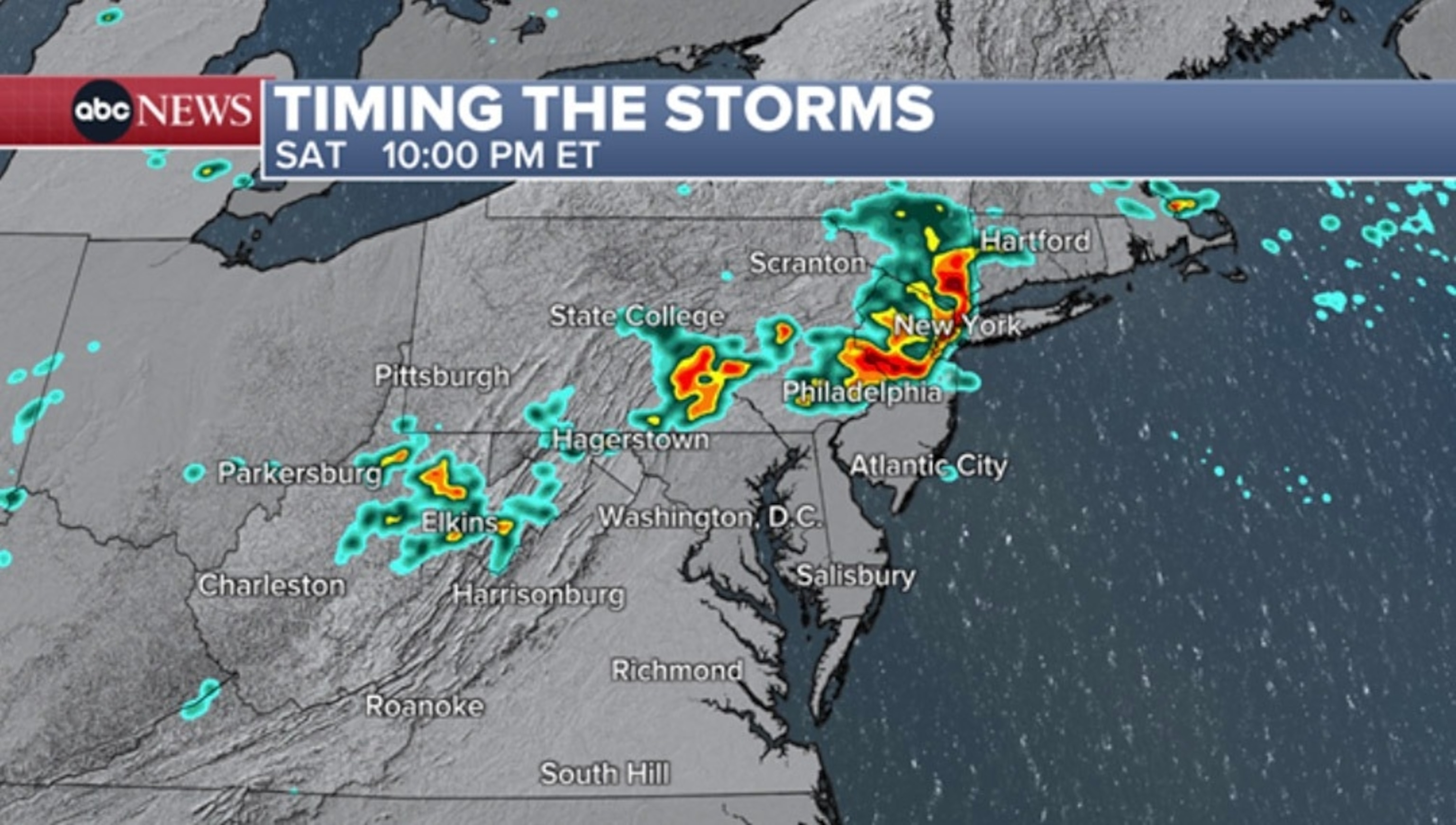
Stations kept moving eastward through the night, impacting big cities such as Chicago, Philadelphia, New York City, and some parts of Upstate New York.
Independence Day Celebrations Face Major Disruptions
Bad weather spoiled several celebrations of the Fourth of July holiday throughout the nation.
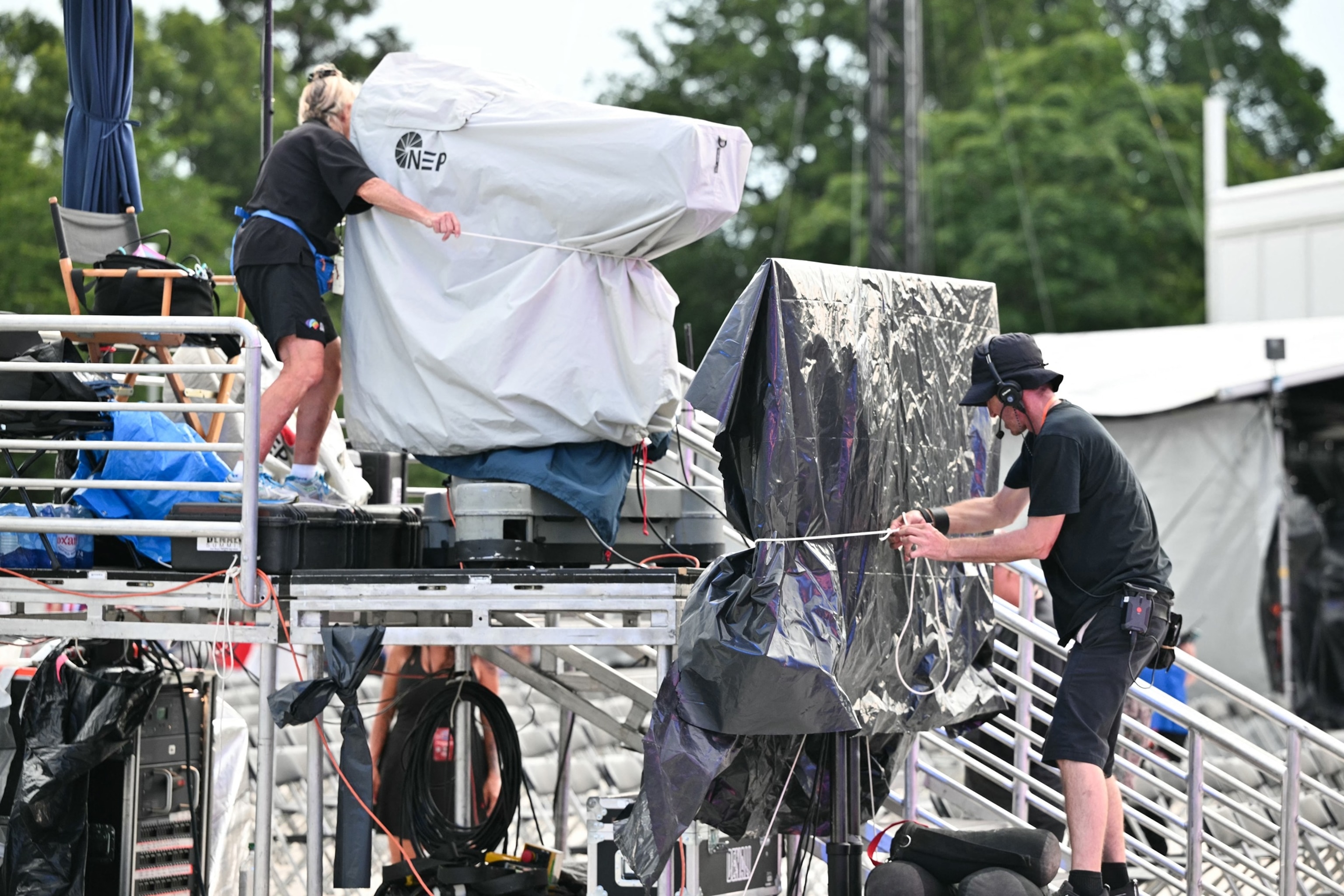
In the capital city of Washington, D.C., thousands of people who had gathered on the National Mall for the “Salute to America” speech by President Donald Trump were moved inside government buildings due to lightning in the area. The festivities started a few hours later when the weather improved.
Other cities, such as New York, rescheduled their spectacular fireworks show on the Fourth of July night to avoid the coming storm.
Additionally, a number of public events in the Northeast region were either postponed or canceled due to hazardous weather conditions.
Flash Flooding Threat Added to the Danger
Heavy rains emerged as another issue due to the development of slow-moving thunderstorms in parts of the Mid-Atlantic and Northeast regions.
Some of the thunderstorms caused heavy rainfall in the same areas for long stretches of time. The threat of flash flooding was heightened by this, particularly in areas that were prone to floods.
Emergency management authorities issued warnings to motorists not to drive on flooded streets, as it does not take much water flow to sweep a car away.
Flood warnings were in effect until Sunday as more thunderstorms were forecasted to form.
Record-Breaking Heat Continues Across the Country
As storms were causing some alarm, the heat wave, which was still going on, remained one of the most serious weather problems.
More than 140 million Americans were under heat advisories on Saturday.
While the weather was a bit cooler compared to the previous day in some areas, dangerous heat prevailed in many parts of the eastern U.S.
The capital, Washington, D.C., hit the mark of 102 degrees Fahrenheit, setting a new record for the highest Fourth of July temperature in the city. It surpassed the old record set back in 1919 at 100 degrees.
The heat index was even higher due to very humid conditions.
People were advised several times not to stay out too long, especially in the afternoon.
Heat-Related Medical Emergencies Increase
The extremely high temperatures caused several medical cases while holiday celebrations were underway.
In Washington, D.C., 51 individuals were admitted into medical care due to heat illness as a result of the America 250 celebration.
12 individuals needed to be taken to the nearest hospital.
Some of the common heat illnesses were:
- Heat exhaustion
- Dehydration
- Heat cramps
- Heat stroke
It was advised to drink water regularly, look for shaded areas where necessary, wear light clothing, and check on your elderly relatives.
Those who attended outdoor events in large numbers had a higher chance of falling victim due to spending several hours under the sun.
Power Outages Leave Hundreds of Thousands Without Electricity
There were high expectations that the bad weather and excessive heat would put a strain on the electricity grids.
About 779,000 customers had their power cut off during the holiday weekend, according to the outage report.
Outages occurred in states in the Midwest as well as in the Northeast.
The number of people who had no electricity was higher since the outage numbers referred to households not individual people.
Utility companies made an effort to restore electricity throughout the day; however, it was difficult due to the storms happening in different regions.
For households without electricity, there were extra difficulties since the air conditioners became non-functional due to the excessive heat.
Heat and Severe Storms Forces Event Cancellations
The historic heat wave forced organizers to cancel several major public events before they even began.
In Philadelphia, the planned Salute to Independence Semiquincentennial Parade was canceled after forecasts predicted dangerous triple-digit temperatures.
Organizers said protecting participants, spectators, and staff remained the highest priority.
Washington, D.C. also canceled America’s National Independence Day Parade after weather officials forecast heat index values between 110 and 115 degrees Fahrenheit.
Several other scheduled activities were adjusted.
The Great American State Fair and the FIFA Fan Zone on the National Mall opened two hours later than originally planned to reduce exposure during the hottest part of the day.
Many organizers also increased the number of water stations and shaded areas for visitors.
Travel Disruptions Continue
The weather had an impact on the means of transport in several areas in the country.
Amtrak services were canceled due to excessive temperatures that made the operation of trains too dangerous for the tracks.
High temperatures may cause the expansion of steel tracks, which increases the chances of the tracks malfunctioning.
Travellers were also faced with delays due to thunderstorms, particularly in the Northeast, where lightning led to disruptions at airports and railways.
Travelers were advised to be updated about the weather and transport conditions before embarking on their journey.
Cooler Weather Finally Arrives for Some Areas
Relief came to some areas after several days of life-threatening weather.
Some parts of the Midwest, northern New England, and upstate New York experienced cool conditions during the holiday weekend.
The cool weather pattern was anticipated to cover most parts of the Northeast during the holiday weekend, on Sunday.
Forecasters projected that the weather would be warmer but below the scorching 100-degree mark in New York City.
Forecasters stated that the city of Boston would record afternoon highs in the mid-70s, compared to the previous days in the week.
As the cool weather condition would alleviate the threat posed by the hot weather, forecasters also warned of the possible development of scattered thunderstorms across some parts of the Mid-Atlantic, such as Richmond, Washington, D.C., Baltimore, and Philadelphia.
Concurrent Weather Hazards: Staying Safe During Extreme Weather Conditions
The holiday weekend brought attention to the extreme dangers of concurrent weather hazards.
Record-breaking heat put millions of people in danger, while severe thunderstorms posed risks through damaging wind, lightning, heavy rains, and blackouts.
Emergency officials continue to encourage residents to monitor weather alerts, stay hydrated, avoid unnecessary outdoor activity during periods of extreme heat, and prepare for sudden changes in weather conditions.
Although cooler temperatures are expected to spread across parts of the Northeast, severe storms may continue to affect several areas before conditions improve.