The growing shift to using digital documents in organizations and among individuals has led to increased demand for trusted transactions. If you want to sign a document or a business transaction agreement, then you need a way to be able to authenticate yourself and guarantee that no changes will be made to the document. That is where digital signatures are useful.
Digital signatures explained in simple terms mean understanding how a secure digital method can confirm who signed a document and whether it has been changed after signing.. Unlike handwritten signatures, digital signatures use encryption to protect documents.
In this guide, Digital signatures explained covers what digital signatures are, how they work, how they differ from electronic signatures, and why they have become an important part of modern digital communication.
Digital Signatures Explained: What Are Digital Signatures?
To understand the whole process, you first need to know what a digital signature is.
Digital signatures are cryptographic signatures that provide assurance about the authenticity of the person who has signed the particular document. This process also assures that the document has not been tampered with after it has been signed.
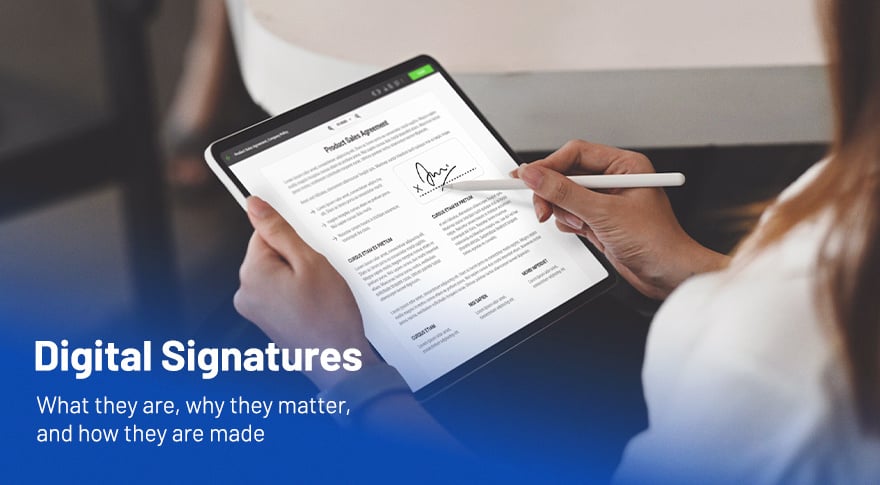
The concept of digitally signing is based on Public Key Infrastructure (PKI), which is basically a cryptography technique for securing electronic data such as digital documents and messages. Each digital signature is unique for its respective owner and is extremely difficult to copy or replicate, as compared to traditional handwritten signatures.
There are three main advantages of using digital signatures:
- Authenticity: Authentication of the identity of the signer.
- Integrity: Verification of the integrity of the document.
- Non-repudiation: Assurance that the signer cannot repudiate his/her signature.
Thus, digital signatures provide one of the most reliable means of approving documents electronically.
How Do Digital Signatures Work?
One of the most important parts of the digitalized signature is understanding the process behind the technology.
How do digital signatures function? They use two cryptographic keys:
- The Private Key: Held secretly by the signer to produce the signature.
- The Public Key: Provided to other people and is used to verify the signature.
This is how it happens:
Step 1: Preparation of the document
The document that requires signing is selected by the sender.
Step 2: Creating a unique hash
A unique digital imprint of the document, called a hash, is created by the software. Any changes made to the document generate a totally new hash.
Step 3: Encryption of the hash
Encryption of the hash using the sender’s private key produces a digital signature.
Step 4: Transmission of the document
Transmission of the signed document with the digital signature occurs to the recipient.
Step 5: Verification of the signature
With the help of the sender’s public key, the recipient’s software decrypts the signature. The recipient software also creates a new hash from the document received.
When the two hashes coincide, it confirms the authenticity of the document without any modifications. If they do not match, the user is notified about possible alterations to the document or the signature itself.
Digital Signature vs Electronic Signature
People often use the terms “digital signature” and “electronic signature” as if they mean the same thing. However, they are different.
An electronic signature is any electronic method used to indicate agreement. This could include typing your name, clicking an “I Agree” button, or drawing your signature on a touchscreen.
A digital signature is a specific type of electronic signature that uses encryption and digital certificates to verify identity and protect the document.
Here are the main differences:
| Digital Signature | Electronic Signature |
| Uses encryption and PKI | Uses simple electronic methods |
| Confirms identity with high security | May use basic identity checks |
| Detects document changes | Usually does not detect changes |
| Suitable for highly sensitive documents | Suitable for everyday approvals |
Why Digital Signatures Are Important
Understanding Digital signatures also means understanding why businesses and governments trust this technology.
It aids in safeguarding sensitive data from fraud and tampering. With the increase in the use of electronic documents, it is crucial to maintain their authenticity.
Some main reasons why adopting these solutions are important are the following:
Better security
It involves sophisticated encryption which makes forging the signatures very hard.
Data integrity
In case there is any change to the data even after signing, the digital signature will become invalid.
Identity authentication
Receivers know that the document originated from the right sender.
Quick document processing
It takes minutes to sign and distribute a document electronically, without the need for printing, scanning, or mailing.
Common Uses of Digital Signatures
Digital signatures are now used across many industries because they improve both security and efficiency.
Business contracts
Companies use this technology to approve contracts quickly while ensuring the documents remain secure.
Legal documents
Many legal agreements are accepted with the modern way of signatures because they verify the identity of all parties involved.
Financial transactions
Banks and financial institutions use digital signatures to secure invoices, payment requests, and financial records.
Healthcare records
Hospitals and healthcare providers use these signatures to protect patient records and medical documents.
Government services
Government departments using these signatures for permits, tax forms, approvals, and official communications.
Secure emails
Some email platforms allow users to digitally sign emails so recipients can verify the sender and ensure the message has not been changed.
Benefits of Digital Signatures
There are various factors behind the continuing use of digital signatures by organizations.
Trust
The recipient knows that the document is indeed sent by the authorized person.
Security
It is more secure as encryption helps prevent any manipulation or access by any unauthorized party.
Saves time
Documents can be signed from any location using your computer or mobile device.
Audit trail
Some digital signing platforms offer audit trails indicating who and when signed the document.
Saving money
Less printing, shipping, and storage costs are incurred by organizations.
All these factors make digital signatures beneficial for organizations of all kinds.
Are These Signatures Legally Valid?
A common question when discussing Digital signatures explained is whether they are legally accepted.
In most countries, the answer is yes.
Legal recognition of these signature occurs provided that certain legal and technical standards are fulfilled. There have been legislative acts enacted by many governments whereby electronically signed documents carry the same legal weight as those signed manually using pen and paper.
It is important to note that different legal requirements exist across various countries and depending on the nature of the document.
Conclusion
In today’s world where digital communication is becoming the norm, the importance of having a secure way to verify documents is essential. As discussed in the paper on digital signatures, it do not merely refer to a signature made electronically but rather are a process of encryption, identity authentication, and document security to provide a trusted platform for e-transactions.
Since digital signatures authenticate the identity of the person signing the document and make sure that the document remains tamper-free, using them provides assurance while working online. Whether signing a business deal or approving accounts or transmitting sensitive information, these can be used to securely transmit critical documents.