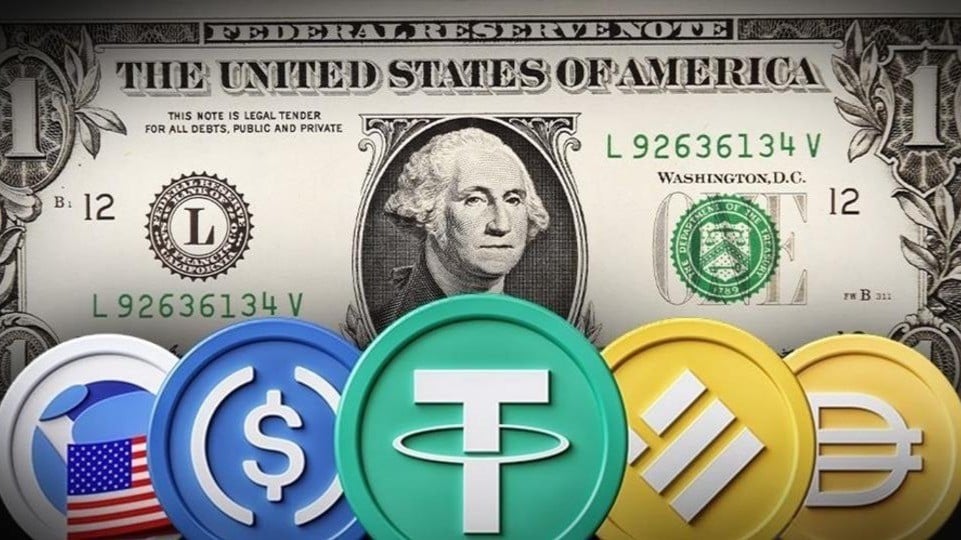
The United States government has discovered a powerful new mechanism for enforcement far beyond the traditional global banking system. In less than three months, federal authorities have successfully immobilized roughly $475 million worth of the popular stablecoin Tether linked directly to Iranian networks. By turning the architecture of private digital currencies into a strategic geopolitical asset, Washington is quietly redefining how it cuts off the flow of capital to sanctioned nations.
Bypassing the Traditional Banking Network
The most recent escalation unfolded when the U.S. government blacklisted four specific digital wallets operating on the Tron blockchain. Those addresses, valued over $131 million, were associated with the Central Bank of Iran (Bank Markazi) directly, and this was confirmed by Scott Bessent, secretary of the Treasury, who stated that the freeze was part of an extensive effort to block Tehran’s secret financing methods used to circumvent sanctions.
Tensions Flare in the Strait of Hormuz
This digital offensive is playing out against a backdrop of rapidly rising military friction. The wallet restrictions coincided with an announcement from U.S. Central Command regarding the resumption of strict traffic controls for ships moving through the volatile Strait of Hormuz. Following targeted airstrikes against regional military targets, this multi-million dollar cryptocurrency freeze adds a distinct layer of economic warfare to the physical blockades defining the conflict on the water.
Dismantling the Digital Infrastructure
The recent action builds upon a larger, ongoing initiative known to insiders as Operation Economic Fury. Federal agencies are no longer simply tracking illicit cryptocurrency transactions after they occur; instead, they are aggressively dismantling the entire digital ecosystem. This approach consists of aiming at local exchanges such as Nobitex, which has facilitated billions in the influx of digital assets. By blocking points in which the local fiat currency is transformed into digital currency, Washington is suffocating the whole mechanism from its core.
The Mechanic Behind the Sovereign Freeze
The aggressive enforcement approach showcases a basic structural difference between decentralized currencies like Bitcoin and stablecoin controlled by entities. Since Tether has the power over the original smart contracts controlling its dollar-tied coins, the organization has the extraordinary ability to shut down certain wallets. Even though the multi-million dollar balances remain completely visible on the public ledger, the affected wallets are rendered entirely useless, locking the funds in place at the request of law enforcement.
From Regulatory Target to Federal Enforcer
This deep level of cooperation marks a fascinating turn for a cryptocurrency company that spent years under intense federal scrutiny over its financial reserves. After paying hefty regulatory fines in the past to settle allegations regarding its backing assets, the firm has completely pivoted its corporate strategy. The issuer of stablecoin made a successful effort and turned into a key partner of US financial enforcement by adding law enforcement agencies such as the Secret Service and the FBI into its system of compliance.