Every time you send a WhatsApp message, stream a movie on Netflix, ask ChatGPT a question, or upload a photo to Instagram, you probably imagine the internet as something invisible. It feels almost magical—your data simply appears wherever you need it.
The reality is much less magical and far more industrial.
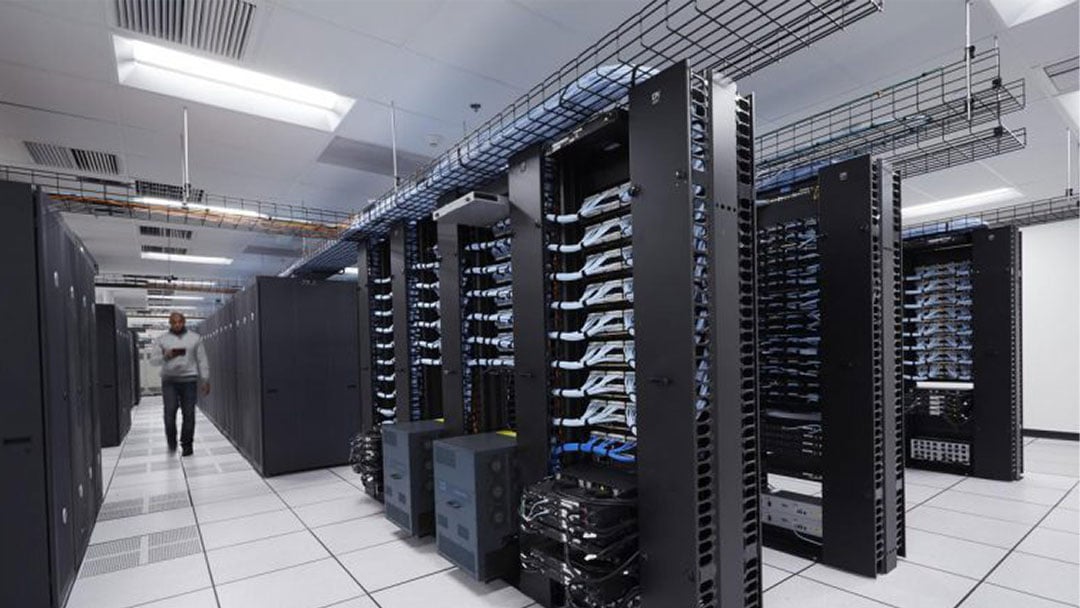
Behind every digital action lies a vast network of data centres—massive buildings packed with thousands of servers working around the clock. These facilities have become the factories of the digital economy, storing our photos, powering artificial intelligence, processing financial transactions, and keeping the internet running 24 hours a day.
But there is a catch. These digital warehouses consume staggering amounts of electricity. In fact, data centres already account for roughly 2–3% of global electricity consumption, and that number is expected to rise rapidly as AI, cloud computing, and digital services continue to expand.
So why exactly do data centres use so much power? The answer goes far beyond simply keeping computers switched on.
Credits: Data Center Dynamics
Servers Never Sleep
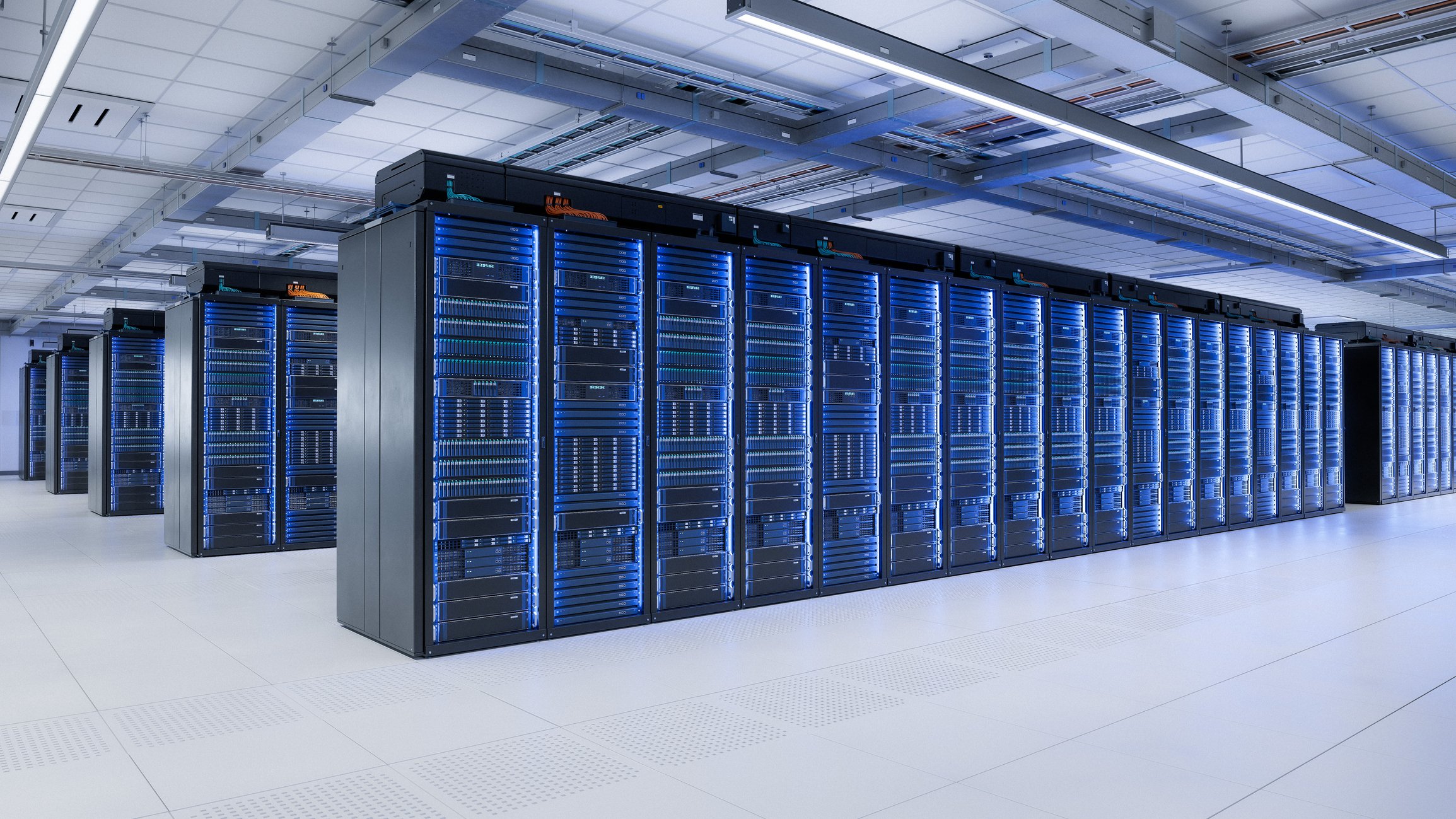
The biggest reason data centres consume enormous amounts of electricity is surprisingly simple—they never stop working.
Unlike your personal laptop, which you shut down every night, servers inside a data centre operate continuously. They must remain online every second of every day because millions of people expect instant access to websites, emails, cloud storage, and online applications.
Imagine if Google’s servers took a coffee break.
Search would stop.
Emails wouldn’t arrive.
Videos wouldn’t stream.
Online banking would freeze.
This level of reliability requires thousands—or even hundreds of thousands—of servers running simultaneously without interruption. Even when usage drops during the night, these machines remain active, waiting for the next request. Continuous operation means continuous electricity consumption, making servers the largest energy consumers in any data centre.
The Hidden Cost of Keeping Everything Cool
Computers generate heat.
Lots of it.
Now imagine placing tens of thousands of powerful computers inside one building. Without cooling, temperatures would rise rapidly, damaging expensive equipment and causing outages.
That is why cooling systems are the second-largest source of electricity consumption in data centres.
Industrial air-conditioning systems, massive ventilation units, chilled water systems, and specialized cooling technologies work around the clock to maintain safe operating temperatures. In some facilities, nearly as much electricity is used to remove heat as is used to power the servers themselves.
Cooling has become even more challenging with the rise of artificial intelligence. AI processors consume significantly more power than traditional CPUs, which also means they generate much more heat.
As AI workloads grow, cooling requirements increase alongside them.
Artificial Intelligence Is Making Everything Bigger
The AI boom has dramatically changed how data centres consume electricity.
Training a modern large language model involves processing enormous datasets using thousands of specialized graphics processing units (GPUs). These chips are incredibly powerful—but they’re also extremely energy-hungry.
Even after training, AI models continue consuming electricity whenever users ask questions, generate images, summarize documents, or analyze data.
Millions of AI requests every day translate into millions of computations happening inside data centres.
Unlike traditional web searches, AI tasks require substantially more computing power, increasing electricity demand even further.
As more companies integrate AI into their products, experts expect electricity consumption by data centres to rise sharply over the coming years.
Streaming Billions of Hours of Content
Watching a two-hour movie seems harmless.
Multiply that by hundreds of millions of viewers worldwide, and the energy picture changes dramatically.
Video streaming is among the most energy-intensive internet activities because videos occupy enormous amounts of storage space and require constant transmission across networks.
Whenever someone presses “Play” on YouTube, Netflix, Disney+, or Prime Video, multiple servers retrieve the content, process it, and deliver it across the internet in real time.
The same applies to livestreams, video calls, cloud gaming, and high-resolution content like 4K and 8K video.
As internet speeds improve and higher-quality media becomes standard, data centres must process increasingly larger volumes of information every second.
Credits: ITPro
Cloud Computing Changed Everything
Years ago, businesses owned their own servers.
Today, most organizations rent computing power from cloud providers such as Amazon Web Services, Microsoft Azure, and Google Cloud.
Instead of thousands of companies operating small server rooms, computing has become centralized inside enormous hyperscale data centres.
This shift has improved efficiency and reduced costs, but it has also concentrated electricity consumption into fewer, much larger facilities.
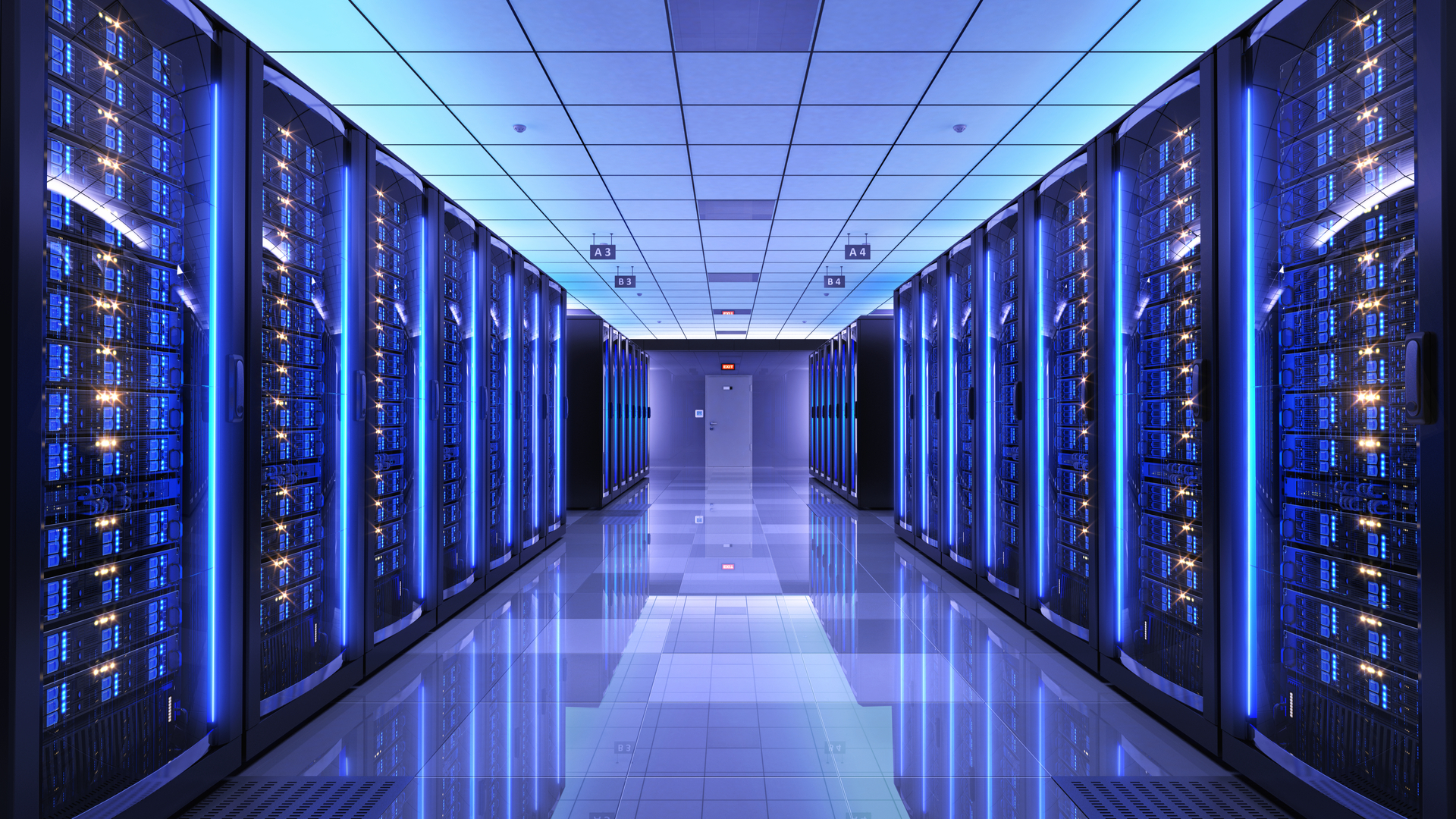
Modern cloud providers operate campuses containing dozens of buildings filled with servers, networking equipment, storage devices, backup systems, and cooling infrastructure.
The result is incredible computing capacity—but also enormous energy requirements.
Backup Systems Consume Power Too
Data centres cannot afford to lose power.
Even a few seconds of downtime can disrupt financial markets, healthcare systems, airline operations, or online services used by millions.
To prevent outages, data centres maintain multiple layers of backup infrastructure.
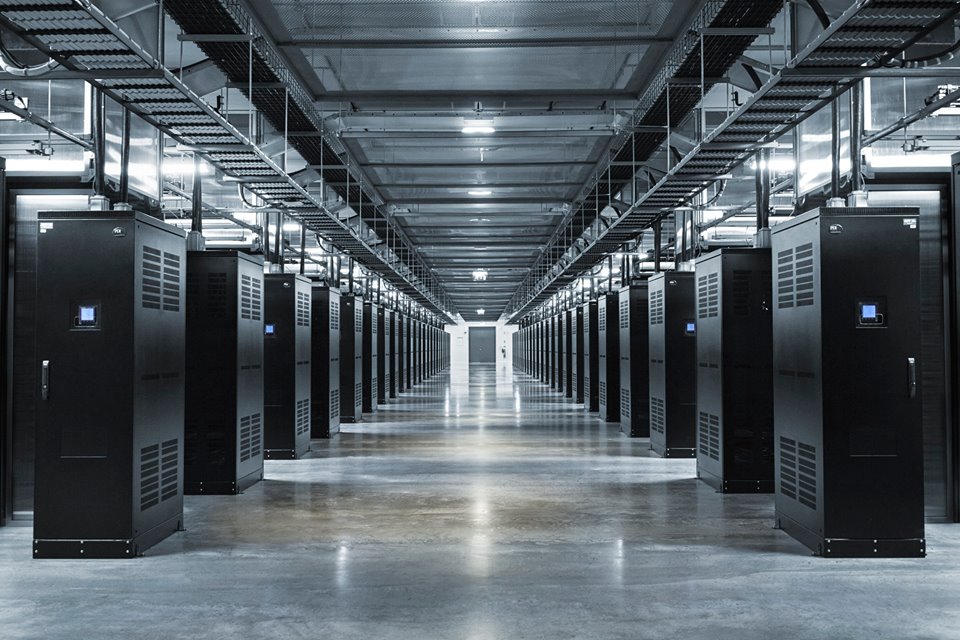
These include large battery systems, uninterrupted power supplies (UPS), emergency diesel generators, redundant electrical circuits, and sophisticated monitoring equipment.
Although backup generators aren’t always running, the supporting systems require continuous maintenance and power.
Security also adds to electricity consumption. Surveillance cameras, access control systems, fire detection, cybersecurity appliances, and network monitoring equipment operate continuously to protect valuable infrastructure.
Bigger Facilities Mean Bigger Electricity Bills
Not all data centres are created equal.
Small enterprise facilities may contain hundreds of servers.
Hyperscale data centres operated by major technology companies can contain hundreds of thousands.
As facilities grow larger, electricity demand increases proportionally.
Some data centres consume as much electricity as small towns.
Countries with large concentrations of data centres are already seeing measurable impacts on national electricity demand. In Ireland, for example, data centres are projected to account for a significant share of national electricity consumption in the coming years, illustrating how digital infrastructure is becoming a major component of power grids.

Credits: Aurora Utilities
Can Data Centres Become More Efficient?
The good news is that technology companies are working aggressively to reduce electricity consumption.
One major improvement is server virtualization, allowing multiple applications to share the same physical hardware rather than requiring separate servers for every workload.
Cooling technology is also evolving rapidly. Instead of relying solely on traditional air conditioning, many facilities now use liquid cooling, free-air cooling, and hot-aisle/cold-aisle containment to remove heat more efficiently.
Artificial intelligence is even helping optimize energy usage. Machine learning systems can predict cooling requirements, adjust airflow automatically, and reduce unnecessary electricity consumption.
Some companies are also recycling waste heat generated by servers to warm nearby homes or office buildings, turning what was once wasted energy into a useful resource.
Renewable Energy Is Becoming Essential
Many technology companies have committed to powering their data centres using renewable energy.
Solar farms, wind parks, hydroelectric power, and long-term clean energy agreements are increasingly becoming part of data centre operations.
Companies are also investing in advanced battery storage systems that allow renewable energy generated during the day to be used when demand remains high after sunset.
These investments don’t necessarily reduce electricity consumption, but they significantly reduce carbon emissions associated with powering digital infrastructure.
The race is no longer just about building bigger data centres—it’s about building cleaner ones.
Credits: Silicon UK
The Future Will Demand Even More Power
Our digital lives are expanding at an astonishing pace.
Artificial intelligence, autonomous vehicles, smart cities, virtual reality, cloud gaming, scientific research, and the Internet of Things all depend on increasingly powerful computing infrastructure.
Every connected device, uploaded photo, streamed movie, and AI-generated response ultimately relies on data centres.
That means electricity demand is likely to keep climbing for years to come. Industry projections suggest global data centre electricity consumption could grow substantially as digital services continue expanding, making energy efficiency one of the industry’s biggest priorities.
The challenge facing governments and technology companies is balancing this growth with sustainability. Building smarter servers, improving cooling technologies, expanding renewable energy, and designing more efficient facilities will all be essential.
Because while the internet may feel weightless, the infrastructure behind it is anything but. Every click, every search, every streamed video, and every AI conversation depends on buildings full of machines consuming vast amounts of electricity to keep our digital world running—every hour of every day.