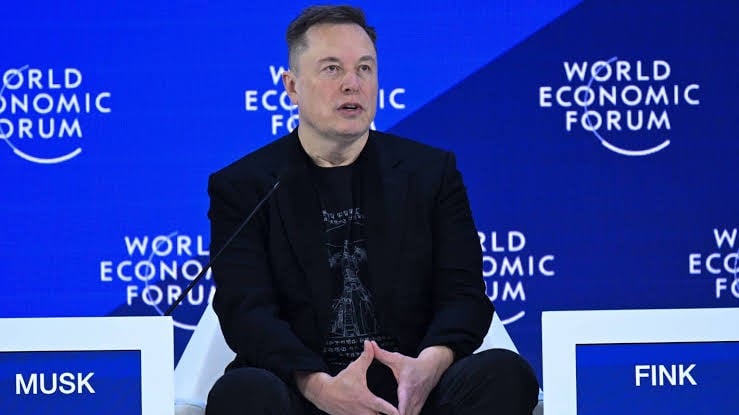
Elon Musk has once again grabbed headlines, this time with a self-deprecating joke about his fortune. Referring to himself as a “former trillionaire,” the billionaire entrepreneur poked fun at the sharp decline in his estimated net worth following recent valuation drops in Tesla and SpaceX. While the remark was made in jest, it has reignited discussions about the nature of billionaire wealth, the volatility of technology markets, and why some of the world’s richest people appear unfazed when they lose billions of dollars on paper.
Musk, who has repeatedly held the title of the world’s richest person, has seen his fortune fluctuate dramatically over the years. Unlike traditional wealth held in cash or fixed assets, most of his net worth is tied to ownership stakes in companies such as Tesla, SpaceX, xAI, Neuralink, and X, formerly known as Twitter. As the value of these companies rises or falls, so does Musk’s estimated wealth, often by astonishing amounts within a matter of days.
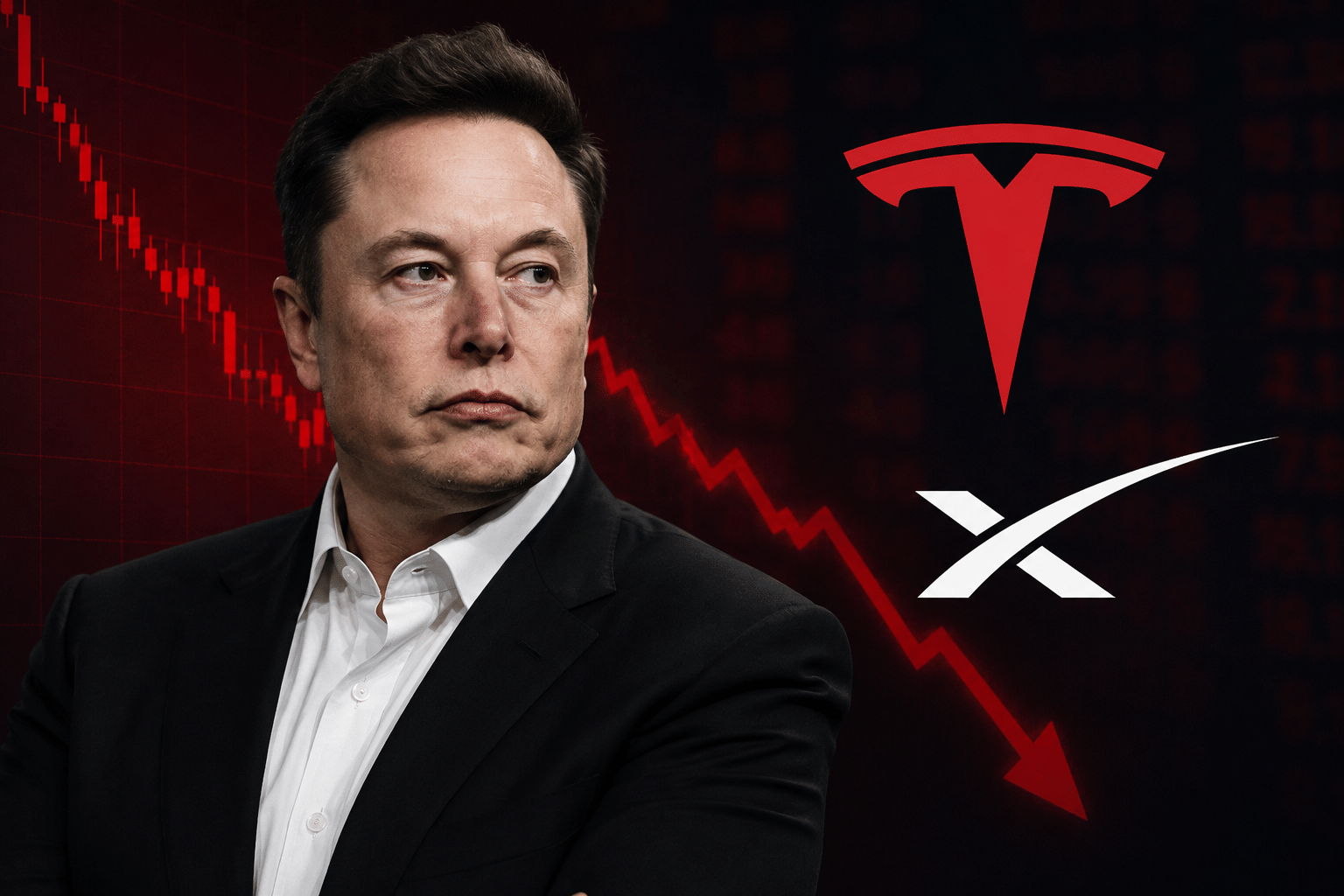
The latest decline comes as Tesla faces increasing pressure from slowing electric vehicle demand, rising competition from Chinese automakers, and investor concerns over profitability. The company’s stock has experienced significant volatility, wiping billions of dollars from Musk’s paper fortune. Although SpaceX remains one of the world’s most valuable private companies, changes in investor sentiment and private market valuations have also contributed to fluctuations in his overall wealth.
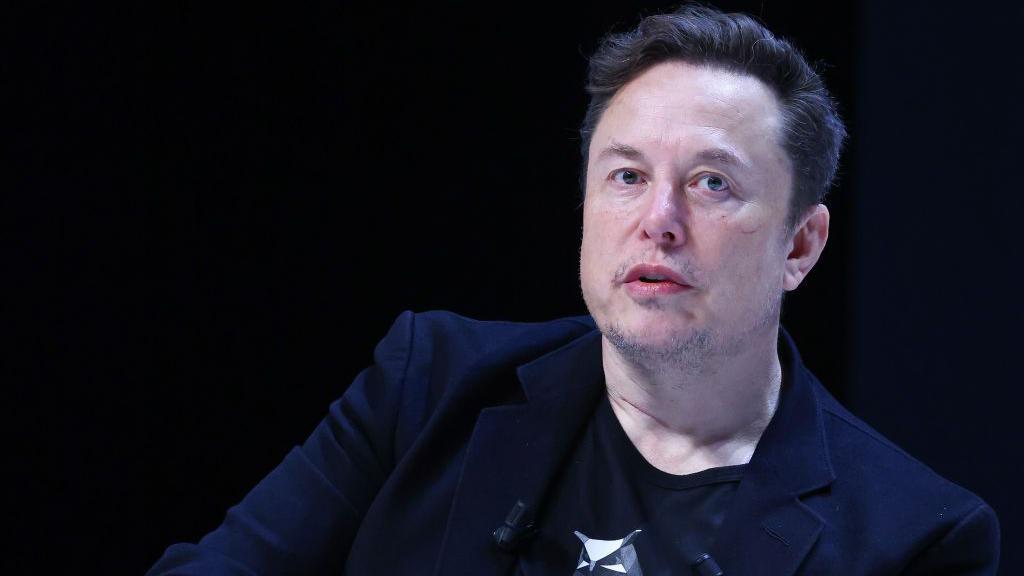
Musk’s “former trillionaire” comment is particularly notable because he has never officially reached trillionaire status. However, several financial analysts and investment firms had previously predicted that he could become the world’s first trillionaire if the growth of Tesla and SpaceX continued at the pace seen in previous years. By joking that he is now a “former” trillionaire, Musk was playfully referencing those ambitious forecasts rather than claiming he had actually crossed the milestone.
The remark quickly spread across social media, drawing mixed reactions. Supporters praised his ability to laugh at financial setbacks, while critics argued that joking about losing billions can appear disconnected from the economic struggles faced by ordinary people. For many households, losing even a fraction of their savings can have life-changing consequences. In contrast, the financial losses experienced by billionaires often exist only on paper and rarely affect their day-to-day lifestyles.
This distinction is central to understanding how wealth works for individuals like Musk. Billionaire fortunes are largely based on stock ownership and company valuations rather than cash holdings. If Tesla shares decline by 10 percent, Musk’s estimated net worth can fall by tens of billions of dollars without him selling a single share. Likewise, if the stock rebounds, those billions can reappear almost overnight. These changes reflect market sentiment rather than actual cash entering or leaving his bank account.
Financial experts often describe such changes as “paper losses,” meaning the decline exists only in the valuation of assets. Unless those assets are sold, the gains or losses remain unrealized. This is why rankings of the world’s richest individuals can change dramatically from week to week, depending on stock market performance and investor confidence.
The psychology behind how billionaires react to these swings is also different from that of most people. Entrepreneurs who have built global companies are accustomed to extreme financial volatility. Many have witnessed their fortunes rise and fall multiple times throughout their careers. For them, short-term market fluctuations are often viewed as temporary rather than permanent setbacks.
Business leaders also understand that public confidence plays an important role in maintaining investor trust. Displaying optimism or humor during difficult periods can signal confidence in their companies’ long-term prospects. By making light of his financial losses, Musk may also be reinforcing the message that he remains focused on future growth rather than short-term market movements.
Tesla’s recent challenges, however, extend beyond stock market volatility. The electric vehicle giant is navigating an increasingly competitive landscape as legacy automakers and emerging EV manufacturers race to capture market share. Consumers are also becoming more price-sensitive amid economic uncertainty, forcing manufacturers to balance sales growth with profitability. Investors have questioned whether Tesla can maintain the rapid expansion that once made it the undisputed leader in the electric vehicle market.
At the same time, Musk continues to divide his attention across multiple ventures. In addition to Tesla, he leads SpaceX, oversees artificial intelligence startup xAI, manages social media platform X, and remains involved with Neuralink and The Boring Company. While supporters argue that his diverse portfolio reflects visionary leadership, some investors worry that managing so many companies simultaneously could dilute his focus on Tesla’s core business.
Despite recent setbacks, SpaceX continues to be viewed as one of the strongest assets in Musk’s business empire. The company dominates the commercial launch market, operates the rapidly expanding Starlink satellite internet network, and maintains major contracts with NASA and the U.S. government. Many analysts believe SpaceX has significant long-term growth potential, even though its valuation is determined through private funding rounds rather than public market trading.
The broader story behind Musk’s joke is about the changing nature of wealth in the modern technology era. Unlike industrial fortunes built on factories or physical assets, today’s billionaire wealth is closely tied to innovation, investor expectations, and market confidence. As a result, fortunes can expand or contract at unprecedented speed. A single earnings report, product announcement, or shift in market sentiment can add or erase tens of billions of dollars from an entrepreneur’s estimated net worth.
For the average person, such numbers are almost impossible to comprehend. Yet for those at the top of the global wealth rankings, these fluctuations have become an accepted reality. Losing billions may sound extraordinary, but when those billions exist primarily as changes in stock valuations, they often represent little more than temporary shifts in financial calculations.
Musk’s “former trillionaire” quip ultimately reflects both his trademark sense of humor and the unique financial realities of the ultra-rich. While headlines focus on the staggering sums gained or lost, the episode serves as a reminder that modern billionaire wealth is often as volatile as the markets that create it. In a world where fortunes can rise or fall by billions in a single trading session, the ability to laugh at losses may be less about indifference and more about understanding the unpredictable nature of wealth itself.