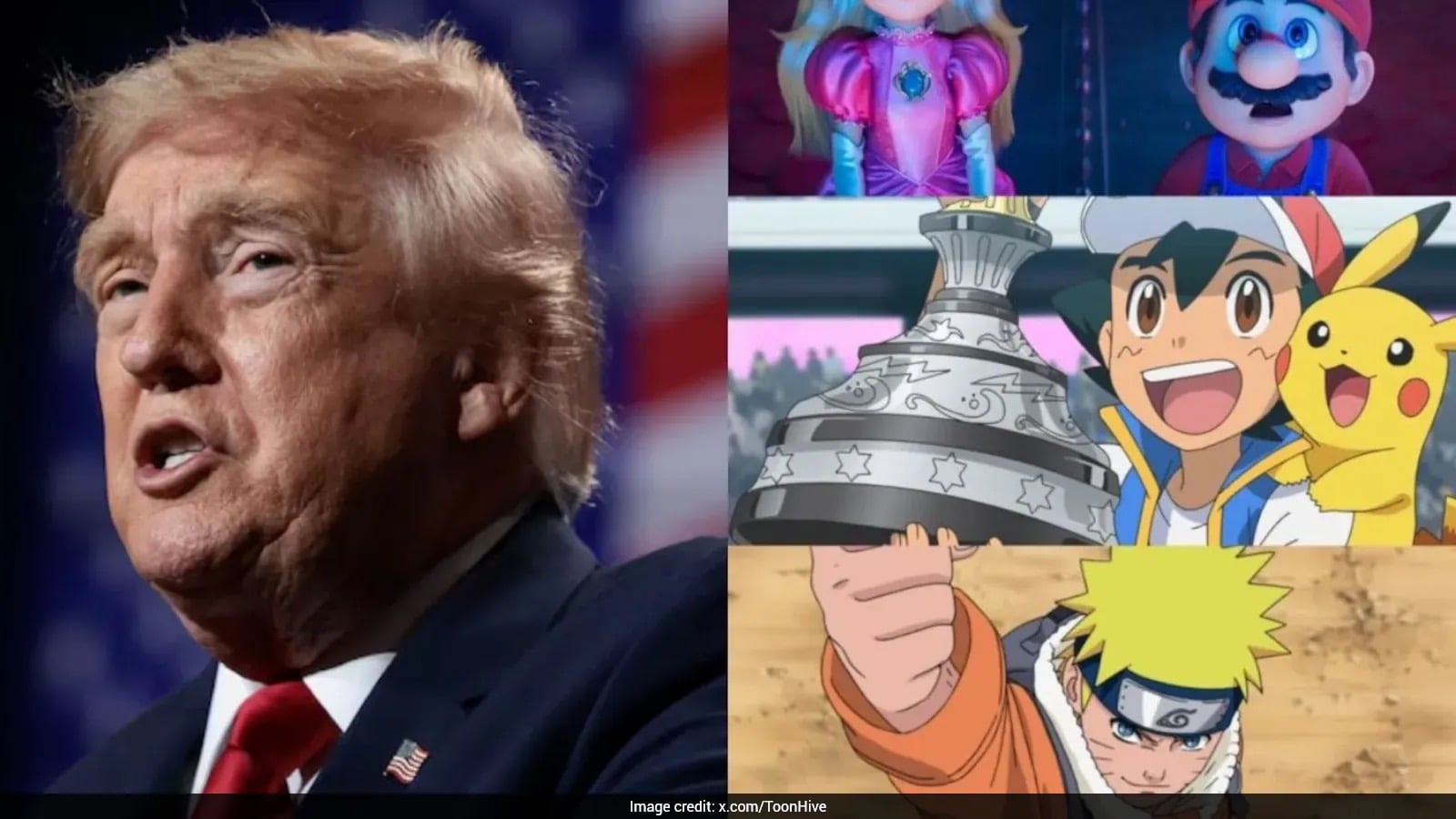
Japan has reportedly warned the US government against using Nintendo and Pokémon characters in memes, bringing an unusual issue involving video games, politics and intellectual property into the spotlight. The development highlights how governments are increasingly using internet culture to communicate with the public, while major entertainment companies continue to closely protect their most recognizable characters.
Nintendo and Pokémon are among Japan’s most valuable cultural exports. Characters such as Mario, Pikachu and other familiar figures have become global icons, appearing in video games, television shows, movies, merchandise, advertising and countless internet memes. However, their popularity does not mean that they are freely available for use in official political communication.
The reported warning comes as governments increasingly adopt memes and online humor to make their social-media posts more engaging. What was once primarily the language of internet communities has now become a regular part of political communication. Government departments and political figures frequently use viral images, jokes, references and popular characters to reach younger audiences.
The use of Nintendo and Pokémon imagery, however, can create a particularly sensitive situation because of the strong protections surrounding these brands.

Why Nintendo and Pokémon Are So Important
Nintendo is one of Japan’s most recognizable companies and has built some of the biggest entertainment franchises in the world. Mario, The Legend of Zelda, Animal Crossing and numerous other properties have become deeply connected with Japanese popular culture.
Pokémon has an even broader reach. What began as a video-game franchise has expanded into television, trading cards, movies, toys, clothing and other merchandise. Pikachu, in particular, has become one of the most recognizable fictional characters worldwide.
Because these characters are so familiar, they are naturally attractive to people creating memes. A single image of Pikachu or Mario can instantly communicate an emotion or idea without requiring a lengthy explanation.
But when such imagery appears in an official government post, the situation becomes more complicated.
The public could potentially interpret the use of a character as an endorsement, even if the government did not intend to suggest any relationship with the company or franchise.
The Growing Role of Memes in Politics
Political communication has changed dramatically in recent years. Government agencies once relied heavily on formal statements, press conferences and official documents. Social media has transformed that approach.
Today, governments compete for attention in an online environment where people scroll through thousands of posts every day. A traditional government announcement can easily disappear among entertainment videos, celebrity updates and viral content.
Memes offer a way to break through that noise.
They are short, visual and easy to understand. They can also make government accounts appear more relatable, particularly to younger audiences who are accustomed to communicating through internet humor.
However, the same informality that makes memes effective can create problems.
Government accounts represent official institutions. A joke posted by an individual user is very different from a meme published by a government department. When an official account uses a copyrighted character, questions can arise about intellectual-property rights and whether the rights holder approves of the message.
Copyright Concerns Take Center Stage
Nintendo has developed a reputation for being protective of its intellectual property. Its characters, games, music and other creative assets are valuable commercial properties.
The same applies to Pokémon, which is managed through a partnership involving several major companies and has become one of the most commercially successful entertainment franchises ever created.
Copyright law does not necessarily prohibit every use of a copyrighted character. Parody, criticism, commentary and other forms of transformative use can sometimes receive legal protection depending on the circumstances.
However, the situation becomes more complicated when copyrighted material is used by an official institution for political messaging.
The central concern is not simply whether someone is allowed to reproduce an image. It can also involve how the image is being used and what association viewers might make between the character and the message.
For a company that has spent decades building a carefully controlled brand, an unexpected political association can be undesirable.

Japan’s Cultural Influence
The reported warning also reflects the importance of Japanese popular culture beyond entertainment.
Anime, manga and video games have become major components of Japan’s global cultural influence. Nintendo and Pokémon are particularly powerful examples of how Japanese creative industries have developed audiences far beyond the country’s borders.
The Japanese government has increasingly recognized the importance of these cultural exports. Japanese characters and entertainment franchises are now part of the country’s international image.
That makes the unauthorized or politically sensitive use of major Japanese intellectual properties more significant than a simple meme dispute.
The characters represent brands that have enormous economic and cultural value.
A Warning for Other Governments
The controversy could also serve as a warning to governments around the world.
As official social-media accounts become more casual, agencies may increasingly turn to recognizable characters, movie references and viral formats to communicate with citizens.
But governments will need to consider whether they have permission to use those materials.
The issue becomes particularly important when a commercial character is placed alongside controversial political statements. Even a humorous post could potentially create an association that the company behind the character never intended.
For Nintendo and Pokémon, protecting their brands is therefore about more than preventing people from copying their characters. It is also about controlling where those characters appear and what messages they are connected with.
The Future of Government Memes
The dispute demonstrates how difficult it has become to separate internet culture from official communication.
Memes were originally created as a form of community-driven humor. Today, they are used by politicians, government agencies, businesses and major organizations to influence public conversations.
That evolution has created a new challenge. Government institutions want to communicate in a language that feels modern and accessible, but they must also respect the legal and commercial boundaries surrounding the content they use.
The reported Japanese warning involving Nintendo and Pokémon illustrates that tension perfectly.
A meme featuring Pikachu or Mario may seem harmless to an internet user. But when the same image is posted by a government account, it can become a question of intellectual property, political messaging and brand control.
As governments continue moving toward informal and meme-driven communication, officials may have to become more careful about the characters and images they use.
For Nintendo and Pokémon, the message is clear: popularity does not mean permission. And for governments experimenting with internet culture, the lesson may be equally straightforward—before using one of the world’s most recognizable fictional characters in a political meme, it may be worth asking who owns it.