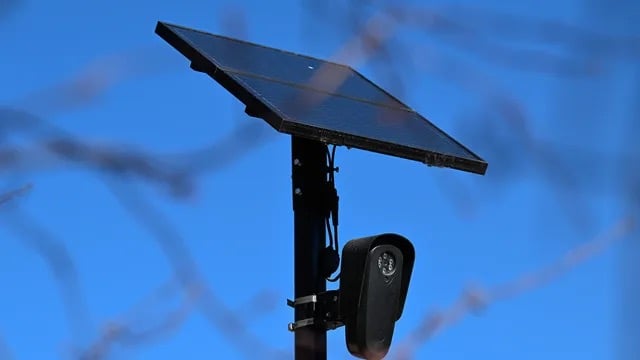
Flock Safety, the company behind one of the nation’s fastest-growing networks of automated license plate readers, once explored a plan that could have transformed hundreds of thousands of rideshare and delivery vehicles into mobile surveillance cameras.
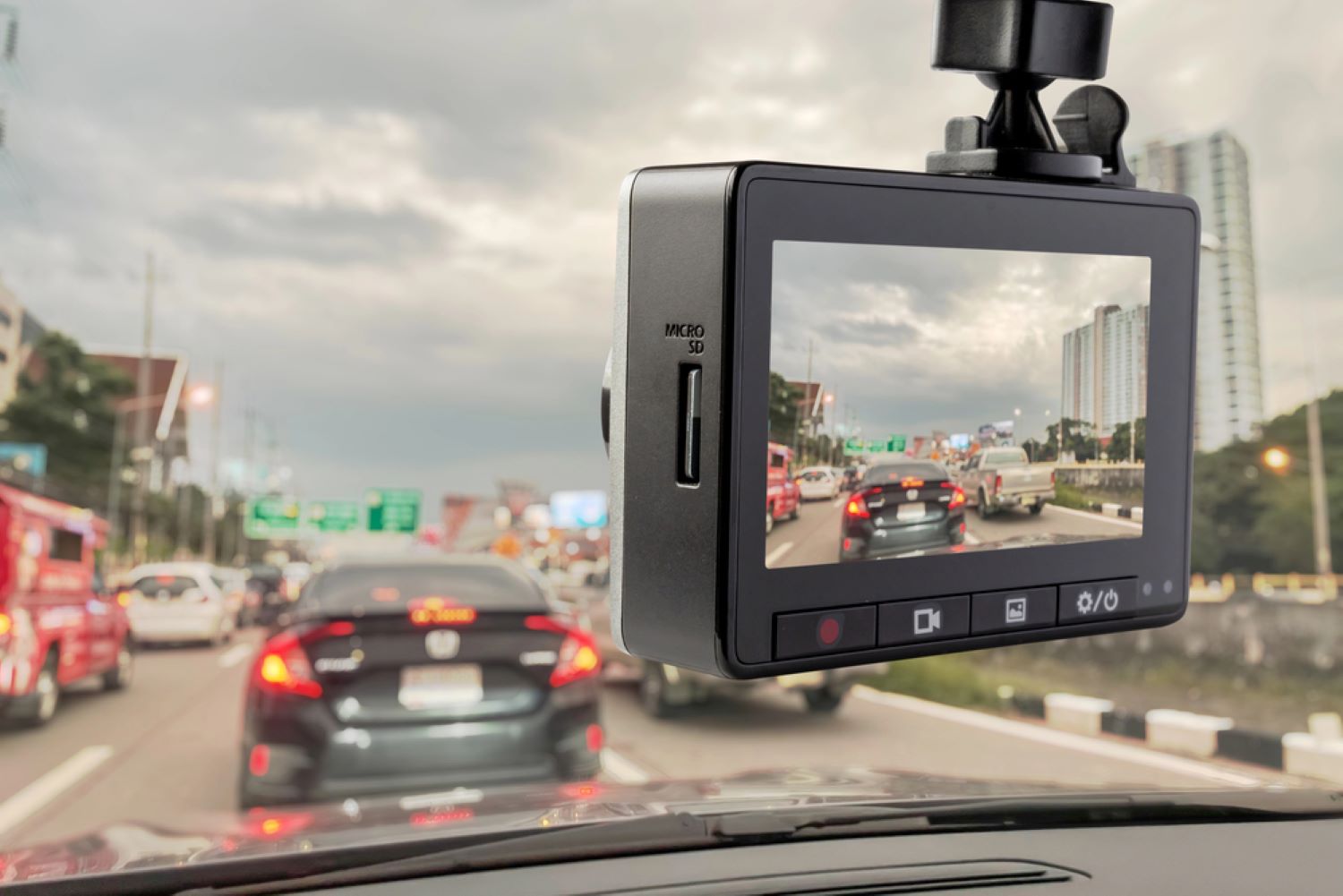
The proposal envisioned putting license plate-reading technology on dashcams installed in as many as 350,000 Uber, Lyft and delivery vehicles. Instead of relying solely on cameras mounted at fixed locations, Flock considered using vehicles already traveling through cities and neighborhoods to scan and record license plates as they moved.
The ambitious plan was ultimately abandoned. But the proposal reveals how aggressively the company has explored expanding automated vehicle surveillance and how a technology normally associated with roadside cameras could have been integrated into everyday transportation.
Flock Safety’s core technology consists of automated license plate reader cameras that photograph vehicles as they pass. The system can identify license plates and collect information about a vehicle’s make, model, color and location. Law-enforcement agencies can then search the resulting database when investigating crimes or trying to locate vehicles. The traditional model depends on fixed cameras.
A camera is installed at an intersection, near a highway, outside a business or in another strategic location. Every vehicle passing that point can potentially be recorded. Over time, those cameras can create a searchable record of vehicle activity in an area. The proposed rideshare system would have changed that model completely. Rather than installing another camera on a pole, Flock could potentially put a camera inside a vehicle that is already traveling throughout a community. An Uber driver might spend hours moving between neighborhoods. A Lyft driver could cross an entire city during a shift. Delivery drivers could travel dozens of miles while making stops at homes and businesses. Each vehicle would effectively become a moving observation point.
With hundreds of thousands of vehicles participating, the resulting network could have covered an enormous number of streets. Cameras would not remain limited to locations selected by police or local governments. They would move according to where drivers and passengers happened to travel.
For law enforcement, that could have offered a powerful new investigative tool. If police were searching for a particular vehicle, investigators could potentially query a network of mobile cameras to determine whether the vehicle had been recorded. The system could also potentially provide additional information about where and when a vehicle was observed. But the same capability that could help investigators also creates serious privacy concerns. A license plate reader does not need to know the identity of the person behind the wheel to create a detailed record of a vehicle’s movements. When enough observations are collected over time, those records can reveal patterns about where a vehicle regularly travels.
A mobile network could make that information even more extensive. Traditional surveillance cameras are usually installed at known locations. A network made up of rideshare vehicles would constantly change. One camera could be downtown in the morning, across town in the afternoon and in a residential neighborhood at night. The system could therefore capture vehicles in places where drivers might not expect to encounter an automated license plate reader.
The proposal also raises questions about passengers. People using rideshare services generally understand that a vehicle may have a dashcam for safety or security purposes. They may not expect that camera to be connected to a law-enforcement-oriented surveillance network capable of identifying and recording passing license plates. There are also questions about who would control the information, how long it would be retained and who could access it. Those questions have become increasingly important as automated license plate reader networks have expanded across the United States. Supporters argue that the technology helps police solve crimes, recover stolen vehicles, locate missing people and identify vehicles connected to investigations.
Critics warn that widespread surveillance can create enormous databases of innocent people’s movements. The proposed rideshare system would have taken that debate into a new territory by making surveillance cameras mobile. Instead of asking where police should install cameras, the system could have relied on where rideshare and delivery drivers happened to go. The scale of the proposal is what makes it particularly striking. A network involving 350,000 vehicles would not have been a small pilot project. It could have created a vast collection of moving cameras operating across communities daily. Yet the plan never came to fruition.
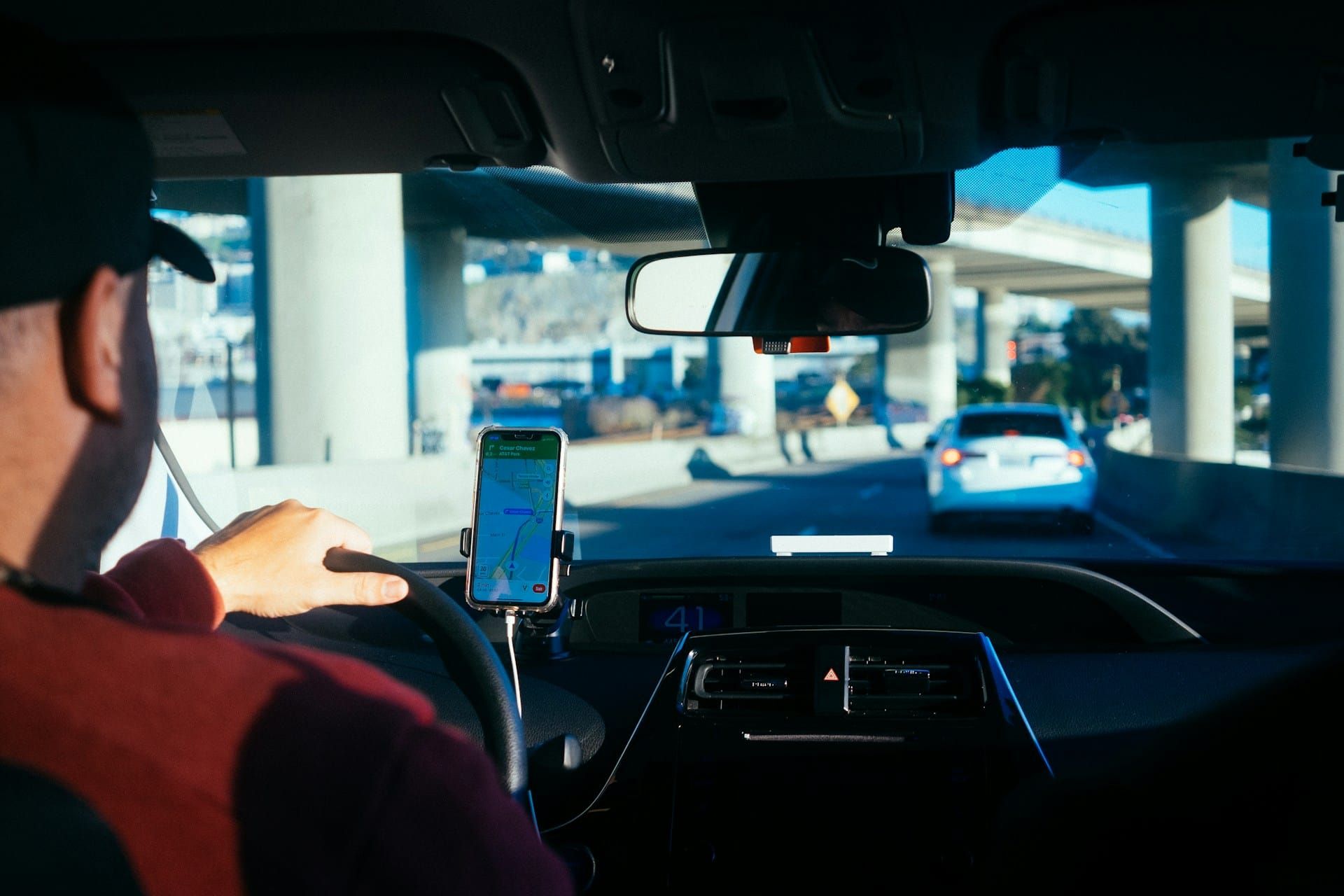
The proposed system was not deployed as a nationwide network of Flock license plate readers operating through Uber and Lyft vehicles. The idea remained a proposal rather than becoming part of the company’s standard surveillance infrastructure. Still, the concept provides a revealing look at the potential future of automated surveillance. Technology that once required cameras mounted on poles can now potentially be integrated into vehicles, smartphones and other mobile devices. As cameras become cheaper, smaller and more connected, the number of places where vehicle movements can be recorded can grow dramatically.
For Flock, the rideshare proposal represented an opportunity to turn an existing fleet of constantly moving vehicles into part of a surveillance network. For privacy advocates, it represents something else: a glimpse of what ubiquitous vehicle tracking could look like. The plan to turn Ubers and Lyfts into roaming license plate cameras never happened. But the fact that a network involving 350,000 vehicles was considered at all shows how quickly the boundaries of automated surveillance are changing — and how an ordinary dashcam could potentially become something much more powerful.