
Sony’s decision to stop producing physical game discs for new PlayStation releases from 2028 is reportedly creating tension within the gaming industry, with the company’s strategy becoming a point of discussion at Gamescom 2026 and potentially affecting relationships with third-party publishers and developers.
Sony announced earlier this year that it would end physical disc production for new games released on PlayStation consoles beginning in January 2028. The move represents a major shift for the PlayStation business, which has relied on physical game distribution since the launch of the original PlayStation in the 1990s.
The company’s decision is being driven by the rapid growth of digital game sales. Players have increasingly moved towards downloading games directly through digital storefronts, reducing the importance of traditional retail distribution. For Sony, moving further towards digital releases could reduce manufacturing, shipping and retail costs while giving the company greater control over the distribution of its software.
However, the transition has not been universally welcomed. Reports from Gamescom suggest that Sony’s decision has created unease among some third-party developers and publishers, particularly those that depend on physical editions and traditional retail channels.
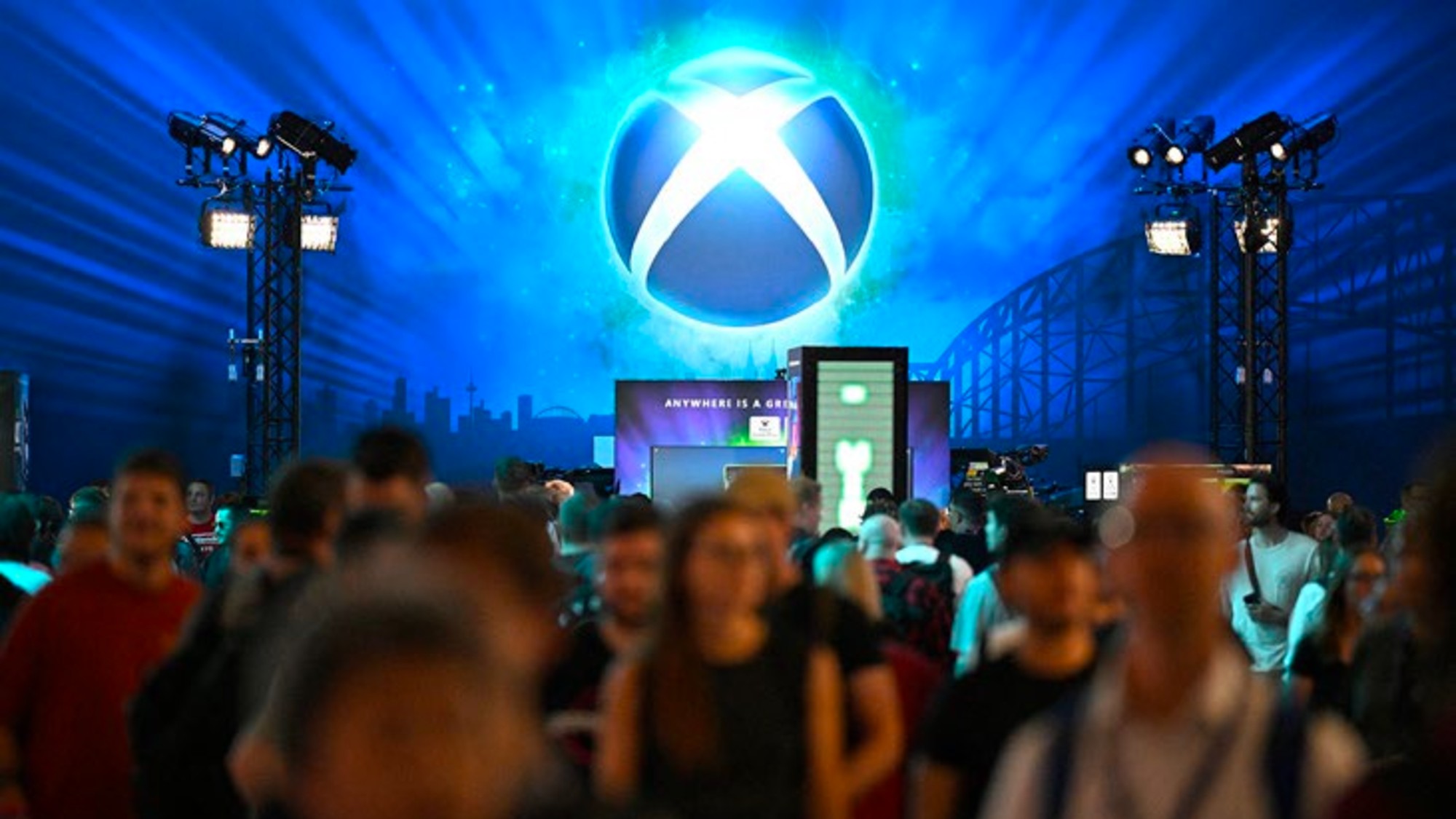
Gamescom, held annually in Cologne, Germany, is one of the largest gaming events in the world and serves as an important meeting point for publishers, developers, platform holders, retailers and players. The event is also a major opportunity for companies to promote upcoming releases through demonstrations, trailers, interviews and marketing partnerships.

Against this backdrop, Sony’s physical-media strategy has reportedly complicated some of its relationships with third-party companies. Some developers are said to be hesitant about associating their upcoming games too closely with Sony’s marketing efforts as the company moves towards a digital-only model.
The reported tension does not mean that third-party support for PlayStation is disappearing. Sony continues to have a large installed base and remains one of the industry’s most important console platforms. Major publishers are also expected to continue releasing games on PlayStation because of the size of its consumer market.
However, the change could affect how publishers approach individual releases. Physical editions remain important for certain genres and markets, particularly for collectors, enthusiasts and players who prefer to purchase games from retail stores. Some smaller developers may also rely on physical releases as part of their marketing and sales strategies.
For consumers, the biggest concern is the question of ownership. Physical games provide players with a tangible copy that can generally be resold, traded or lent to another person. Digital purchases, by comparison, are tied to online accounts and platform licensing systems.
This distinction has become particularly controversial following Sony’s recent reminder to PlayStation users that digital software is licensed rather than sold. The clarification has intensified concerns among players who fear that an entirely digital ecosystem could give platform holders greater control over access to purchased games.
Game preservation is another major issue. Physical discs can potentially remain playable long after a game’s original release, although modern games often require updates, patches or online services. Digital-only titles, meanwhile, can become inaccessible if online storefronts close or publishers discontinue support.
Critics therefore argue that the end of physical games could make it harder for future generations to access older titles. They also fear that consumers will have fewer options for purchasing games and could become more dependent on Sony’s digital storefront.
The backlash has extended into organised protests among sections of the PlayStation community. Some gamers have called for boycotts and urged other players to avoid purchasing digital games in an effort to pressure Sony into reconsidering its plans.
Sony, however, appears to be continuing with its digital-first strategy. The company has argued that the move reflects changing consumer preferences and the industry’s broader shift towards digital distribution.
The situation also comes at an interesting moment for Sony’s competitors. Microsoft’s Xbox has continued to experiment with ways of combining physical ownership and digital access, while other publishers are increasingly adopting digital distribution for major releases.
This could create a strategic distinction between gaming platforms. If Sony fully commits to digital-only releases while competitors continue offering physical options, consumers may begin to consider physical availability as a factor when choosing where to purchase and play games.
For third-party publishers, the issue could become more complicated as they plan releases across multiple platforms. A game that receives a physical edition on competing consoles but only a digital release on PlayStation could create differences in pricing, retail visibility and consumer demand.
The controversy is unlikely to be resolved immediately. Sony still has time before its 2028 deadline, leaving room for the company to monitor consumer reactions and discussions with developers and publishers.
Whether the reported tension at Gamescom will lead to changes in Sony’s strategy remains uncertain. The company has strong commercial reasons for moving towards digital distribution, but the reaction from gamers and parts of the industry shows that physical media still holds value for a significant section of the market.
Ultimately, Sony’s decision could mark a turning point for the console industry. The shift is not simply about replacing discs with downloads; it raises broader questions about ownership, preservation, retail gaming and the balance of power between platform holders, publishers and consumers.
As PlayStation moves closer to its planned 2028 transition, the industry will be watching closely to see whether Sony’s digital-first approach becomes the new standard for console gaming or whether continued consumer and publisher resistance forces the company to maintain some form of physical support.