SoftBank Group is seeking another $10 billion loan as the Japanese technology conglomerate looks for additional financing to support its massive investment in OpenAI and refinance debt already taken on to fund the artificial intelligence bet.
The proposed two-year loan is expected to carry an interest margin of around 275 basis points above the Secured Overnight Financing Rate, or SOFR. Mizuho Bank is reportedly acting as the mandated lead arranger and bookrunner for the facility, while banks are already in discussions to participate in the financing.
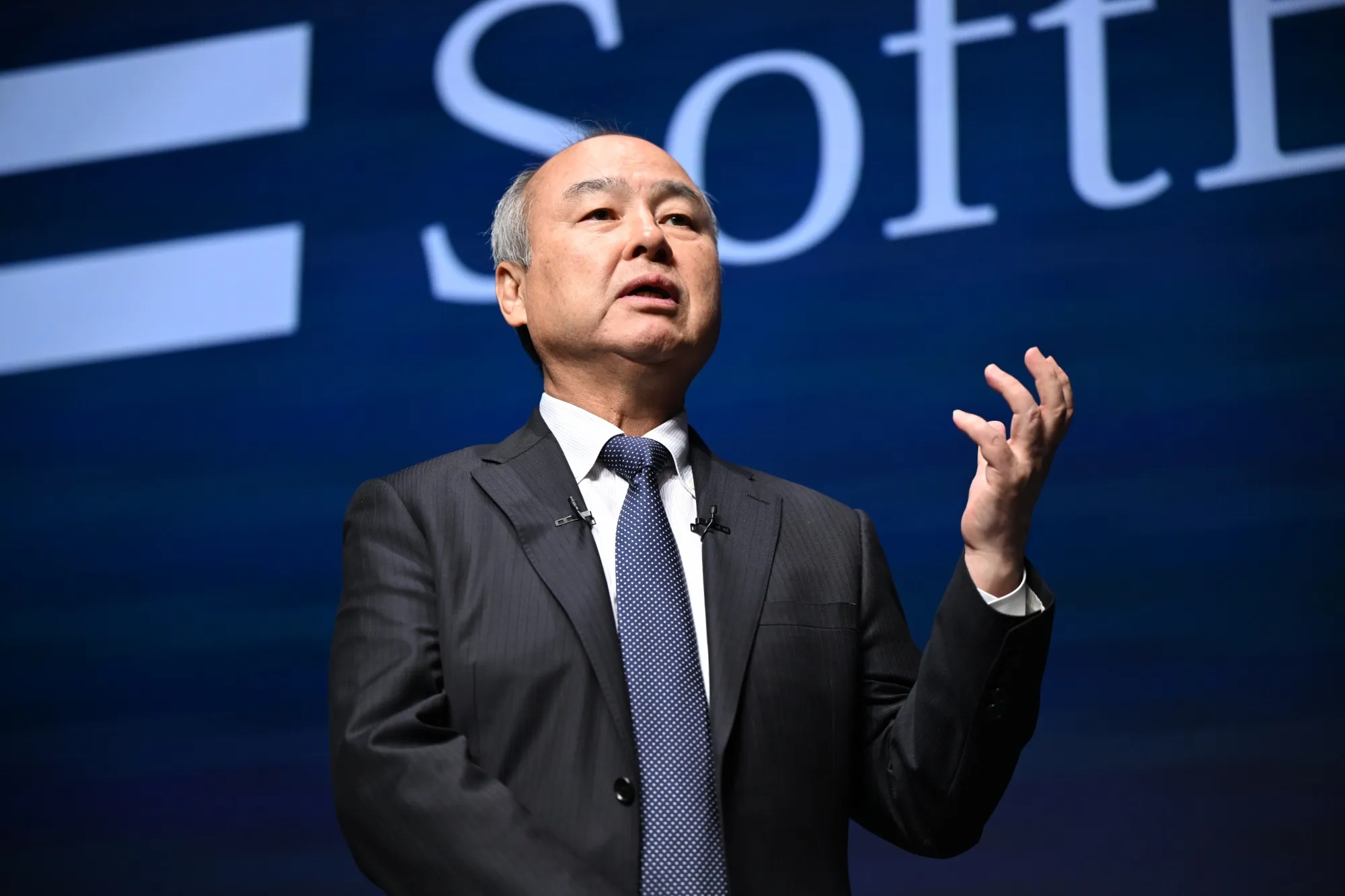
The latest borrowing plan comes as SoftBank continues to increase its financial commitment to OpenAI. The company, led by billionaire Masayoshi Son, is expected to invest close to $65 billion in the ChatGPT maker by October, making it one of OpenAI’s largest financial backers.
The new loan is expected to be used partly to refinance a $40 billion bridge loan that SoftBank secured earlier this year to support its OpenAI investment. The bridge facility represents a significant component of SoftBank’s broader strategy to finance its AI ambitions through a combination of borrowing, asset-backed financing and capital-market transactions.
SoftBank’s latest financing move comes amid a broader expansion of its debt strategy. The company is also considering raising between $10 billion and $20 billion through a bond offering, with the proceeds potentially being used to refinance the same bridge loan. In addition, SoftBank is preparing a record ¥1 trillion, or roughly $6.3 billion, retail bond sale in Japan to support its investment commitments and broader AI strategy.
The company’s increasing reliance on debt reflects the enormous amount of capital required to maintain its position in the rapidly expanding artificial intelligence sector. SoftBank has been pursuing an aggressive investment strategy under Son, who has repeatedly described AI as a transformative technology and positioned the company to benefit from its growth.
OpenAI has emerged as a central part of that strategy. SoftBank’s investment gives it significant exposure to one of the world’s most prominent AI companies at a time when demand for computing power, data centers and advanced AI models continues to rise.
However, financing such a large investment through borrowing also creates additional risks for SoftBank. The company’s ability to manage its debt depends partly on the value of its assets and the future performance of its investments. Any major decline in technology valuations could make it more difficult or expensive to raise additional capital.
The issue is particularly relevant because OpenAI remains a privately held company. Unlike publicly traded stocks, its shares do not have a continuously determined market price, making them more difficult to value and use as collateral for loans. SoftBank has nevertheless been increasingly exploring ways to leverage its OpenAI stake to raise funds.
Earlier this month, the company secured another $10 billion loan backed by its OpenAI stake. The financing reportedly includes covenants that could require SoftBank to provide additional cash or repay the loan early under certain circumstances. The arrangement demonstrates how the company’s OpenAI holdings are becoming an increasingly important part of its financing structure.
SoftBank’s latest loan request also comes against the backdrop of growing concern about the amount of debt entering the AI industry. Technology companies and investors are committing enormous sums to data centers, computing infrastructure and semiconductors as companies race to build AI capacity.
The scale of this investment has created an unusual relationship between AI growth and debt markets. As companies seek billions of dollars to finance infrastructure, banks and bond investors are increasingly being asked to provide capital based on expectations of future AI demand and profitability.
For SoftBank, the strategy extends beyond OpenAI itself. The conglomerate has been building a broader portfolio around artificial intelligence, including investments in semiconductor technology, robotics and infrastructure. Its involvement in AI infrastructure projects has also strengthened its relationship with OpenAI and other companies operating in the sector.
Son’s strategy is based on the expectation that AI will become one of the most important technological and economic shifts of the coming decades. By investing heavily in companies and infrastructure connected to the technology, SoftBank hopes to capture significant long-term value.
But the size of the commitments means that the company’s financial exposure is also increasing. SoftBank must balance its ambition to invest aggressively with the need to maintain sufficient liquidity and manage its debt obligations.
The proposed $10 billion facility is therefore more than simply another financing transaction. It is part of SoftBank’s continuing effort to build a funding structure capable of supporting its enormous AI ambitions while managing the debt accumulated along the way.
As SoftBank prepares to invest billions more in OpenAI, its financing strategy will remain closely watched by investors. The success of the approach will ultimately depend on whether the value generated by its AI investments can justify the substantial borrowing being undertaken to finance them.
For now, SoftBank continues to double down on its OpenAI bet. With another $10 billion loan under consideration, potential bond sales and additional financing plans in the pipeline, the Japanese conglomerate is making clear that it intends to remain one of the most aggressive financial players in the global AI race.