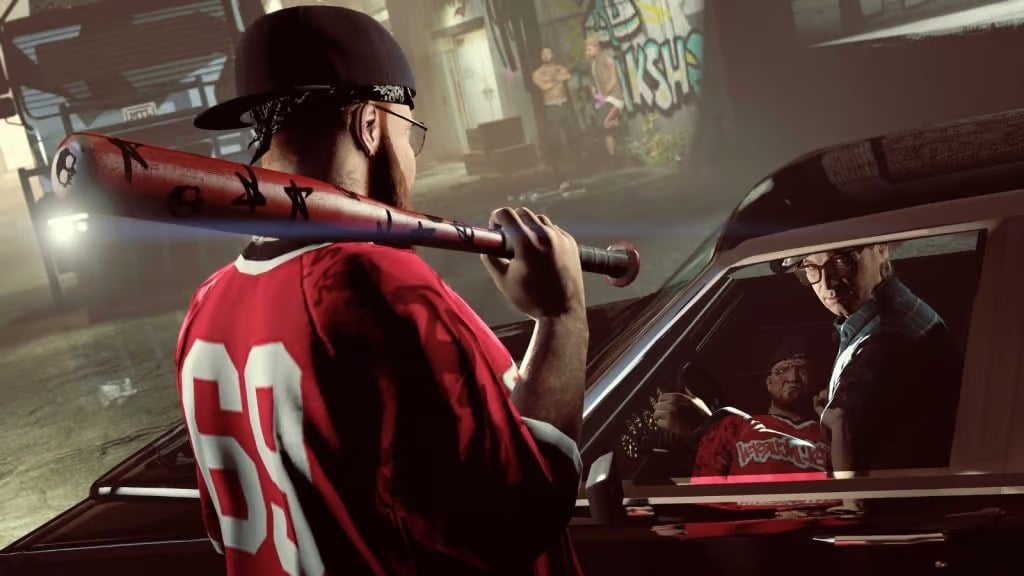
YouTube is changing how it treats violent video game content for monetization, offering gaming creators clearer guidelines on when graphic gameplay can remain eligible for advertising. The update comes at a crucial time for the gaming industry, with Rockstar Games preparing to release Grand Theft Auto 6, one of the most anticipated video games in years.
The revised approach could have a major impact on creators who rely on YouTube for income from gameplay videos, walkthroughs, livestreams, reviews and gaming highlights. While YouTube is not removing restrictions on violent content, the updated rules provide more specific guidance on how graphic violence is treated depending on where it appears in a video.
One of the biggest changes revolves around the opening seconds of a video.
Seven-second window becomes important
Under the updated monetization guidance, graphic video game violence appearing during the first seven seconds of a video can make the content ineligible for advertising revenue.

Graphic violence that appears later in the video may, however, remain eligible for monetization, depending on the overall context and intensity of the content.
This distinction could force creators to rethink how they structure their videos. Gaming channels frequently begin with dramatic clips, action sequences or highlight reels designed to capture viewers’ attention. If those opening clips contain particularly graphic violence, creators could now face monetization problems.
As a result, some creators may choose to replace violent opening sequences with character introductions, gameplay footage without graphic imagery or other non-violent highlights.
The rule does not mean that creators can simply wait seven seconds and then show unlimited violence. YouTube continues to assess the overall nature of the content, including how graphic the material is and whether violence is the central focus of the video.
Ordinary gaming violence remains different
Not every depiction of violence in a video game is considered equally problematic.
Standard combat, shooting sequences and other forms of fictional violence that are part of normal gameplay can continue to be eligible for advertising in many circumstances.
The distinction becomes more significant when violence is unusually graphic, prolonged or presented primarily for shock value.
For example, a standard mission involving a gunfight may be treated differently from a video specifically edited to showcase the most brutal kills in a game. A walkthrough that happens to contain violent scenes may also receive different treatment from a compilation created entirely around graphic violence.
This means context remains a major factor in determining monetization.
GTA 6 makes the timing significant
The update is particularly relevant because Grand Theft Auto 6 is expected to become one of the largest sources of gaming content on YouTube following its release.
The Grand Theft Auto franchise has always been associated with mature themes, criminal activity and violence. The launch of the new title is expected to generate enormous numbers of gameplay videos, mission guides, Easter egg discoveries, reviews, challenges and livestreams.
For creators looking to capitalize on the launch, YouTube’s revised rules could influence how videos are edited and presented.
Creators may be especially careful with thumbnails and opening sequences. A highly graphic scene used as a video’s first major visual could potentially create monetization problems, even if the rest of the video consists of conventional gameplay.
This is important because the first few hours and days after a major game’s release can be extremely valuable for gaming channels. Creators compete to publish content quickly, attract search traffic and generate advertising revenue while interest in the game is at its peak.
Thumbnails and titles still matter
The changes also do not give creators unlimited freedom to use graphic imagery in thumbnails, titles or promotional material.
YouTube’s monetization system evaluates the presentation of a video as a whole. A thumbnail designed specifically to shock viewers or a title emphasizing graphic violence could potentially contribute to restrictions.
This could lead to a change in the way gaming channels market mature games.
Instead of using graphic scenes as clickbait, creators may increasingly focus on characters, vehicles, missions, locations, gameplay mechanics and other aspects of a title.
For a game such as GTA 6, this could result in creators highlighting the game’s open world, characters and missions rather than relying heavily on its most violent moments to attract viewers.
Drug-related content also receives attention
The broader policy changes also cover depictions of recreational drug use in fictional and gaming content.
Gaming videos involving fictional drug use, possession or sale may be eligible for advertising under certain circumstances, representing a potentially important clarification for creators covering mature games.
This is particularly relevant to titles that include criminal economies and fictional depictions of drugs as part of their storylines.
However, the change does not mean that creators can promote real-world drug use through gaming content. The context remains important, and content that crosses into promotion or glorification can still face restrictions.
Monetization is not the same as age restriction
Another important distinction is that advertising eligibility and age restrictions are separate issues.
A video may qualify for monetization while still being considered unsuitable for younger viewers. Conversely, content can potentially avoid an age restriction while still receiving limited or no advertising.
Creators therefore cannot assume that complying with the new monetization rules automatically means their content is acceptable under every YouTube policy.
Extremely graphic depictions of torture, sexual violence, violence involving children or other highly sensitive material can continue to attract stronger restrictions.
What creators need to know
For gaming creators, the updated rules essentially make the timing and presentation of violent footage more important.
Graphic violence during the opening seven seconds remains a significant monetization concern, while similar content later in a video may have a better chance of remaining eligible for advertising.
However, creators still need to consider the intensity, frequency and purpose of the violence. A video deliberately built around shocking or graphic material can face restrictions even if the most extreme footage appears after the opening window.
The change therefore provides more clarity rather than completely relaxing YouTube’s approach to gaming violence.

A major test ahead of GTA 6
The timing of the update makes it particularly significant. As GTA 6 approaches its launch, thousands of creators will be preparing content designed to capture the enormous audience expected to search for the game.
For many of these channels, advertising revenue will be an important part of the business surrounding the launch.
YouTube’s revised approach gives creators a clearer framework for balancing entertainment, mature gameplay and monetization. It may also encourage more careful editing, particularly during the first few seconds of videos.
Ultimately, the updated policy reflects YouTube’s attempt to find a middle ground between the realities of modern video games and the requirements of advertisers. Violent gameplay remains a major part of gaming culture, but creators now have to think carefully about how graphic the footage is, where it appears and how prominently it is presented.
With GTA 6 expected to dominate gaming conversations when it arrives, YouTube’s new rules could play an important role in determining how creators package, publish and monetize the game’s most violent moments.