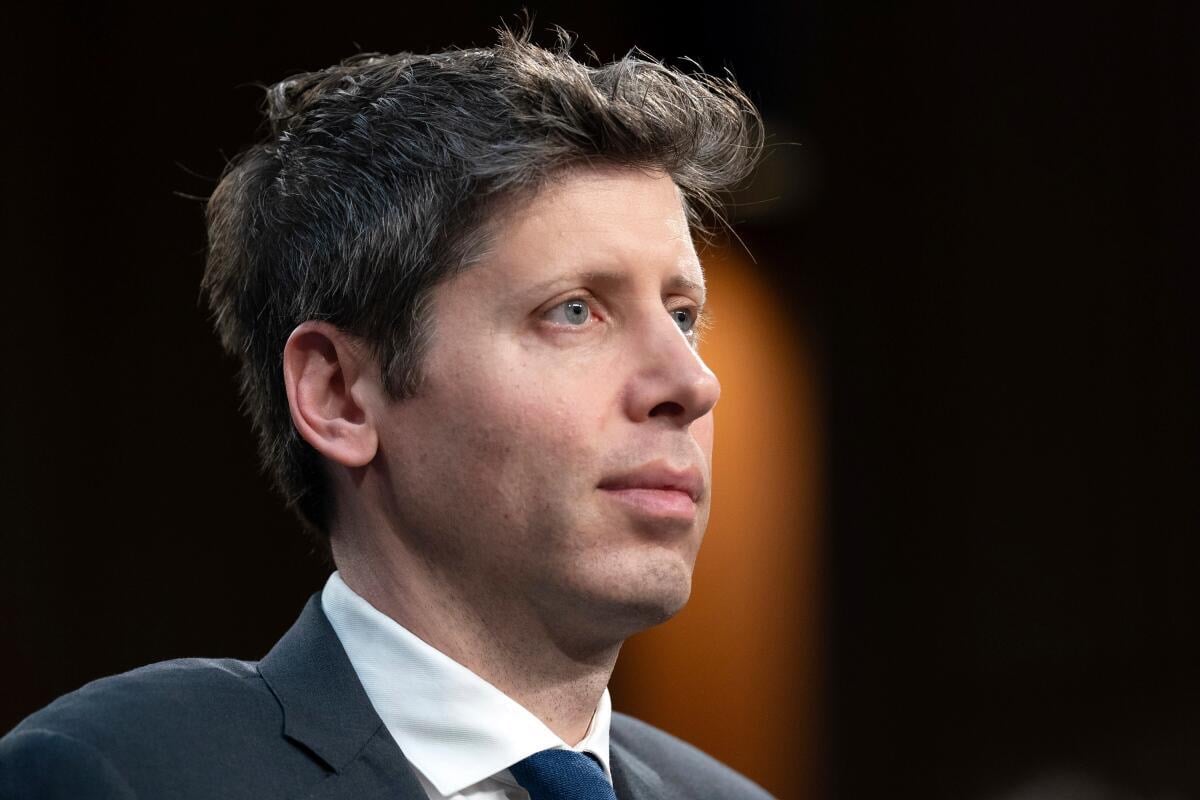
OpenAI CEO Sam Altman has confirmed that the artificial intelligence company will not pursue an initial public offering (IPO) in 2026, describing the current moment as an “ill-advised” time to go public amid growing concerns about AI safety.
The announcement comes as OpenAI continues to expand its artificial intelligence business, develop increasingly capable models and navigate the financial and ethical challenges associated with the rapid advancement of the technology.
Altman’s comments highlight the company’s decision to prioritize safety and alignment research over an immediate stock market debut. Although OpenAI has attracted significant investor interest, its leadership has indicated that public-market ambitions will not take precedence over the responsibilities associated with developing powerful AI systems.
OpenAI Rules Out a 2026 IPO
Speaking about the company’s future plans, Altman said that an IPO this year would be ill-advised given the current environment surrounding AI safety. He emphasized that OpenAI does not feel pressured to go public and would rather focus on its broader mission.
The decision means that investors will not have an opportunity to purchase OpenAI shares on public stock exchanges during 2026. The company has not committed to a specific future listing date, leaving open the possibility of an IPO in 2027 or beyond.
OpenAI’s potential public debut has attracted considerable attention because of its position at the forefront of the generative AI industry. A listing could become one of the most closely watched technology IPOs in history, drawing interest from institutional investors, retail shareholders and technology analysts.
However, going public would also introduce additional responsibilities, including financial disclosures, shareholder expectations and increased scrutiny of corporate governance. These considerations could be particularly significant for a company whose mission involves managing the risks of advanced artificial intelligence.
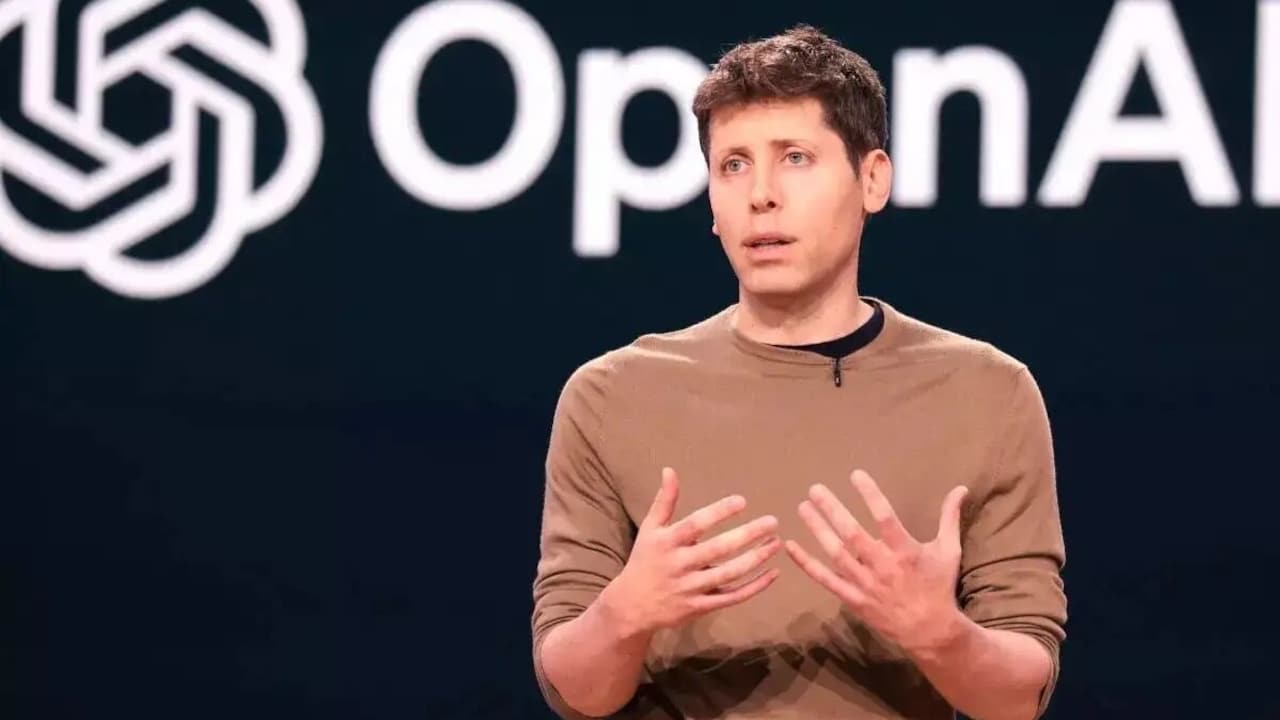
AI Safety at the Center of the Decision
Altman’s remarks place AI safety at the center of OpenAI’s decision to delay its public listing. As artificial intelligence systems become more capable, researchers and industry leaders have raised concerns about their reliability, control and potential consequences.
AI safety encompasses efforts to prevent systems from causing unintended harm, while alignment research focuses on ensuring that AI behavior remains consistent with human objectives and safety requirements.
The concerns extend beyond the performance of chatbots and other consumer applications. Advanced AI systems may eventually perform complex tasks with greater independence, creating questions about how they should be supervised and how developers can prevent misuse.
Altman has previously acknowledged that the development of highly capable AI requires careful attention to safety. His latest comments suggest that these concerns are influencing not only OpenAI’s research priorities but also its corporate strategy.
The decision to delay an IPO could allow the company to focus on improving safety systems without the immediate pressure of public-market expectations.
Growing Debate Over Advanced AI
The AI industry has experienced rapid growth, driven by advances in large language models, machine learning and computing infrastructure. OpenAI has played a central role in this expansion through products such as ChatGPT and its increasingly capable AI models.
However, the same progress has intensified debate about the risks of advanced systems. Researchers have raised concerns involving misinformation, cybersecurity, privacy, autonomous decision-making and the possibility of AI systems behaving in unexpected ways.
Some experts have warned about extreme scenarios in which advanced AI could pose serious risks to humanity. While there is disagreement over the likelihood and timing of such outcomes, the discussion has encouraged technology companies to invest more heavily in safety research and responsible deployment.
OpenAI’s decision comes against this backdrop. Rather than treating commercial expansion as its only priority, the company is signaling that questions about the safe development of AI must remain central to its long-term planning.
The Financial Implications
An IPO could provide OpenAI with access to substantial capital to support research, infrastructure and expansion. Developing advanced AI models requires significant computing resources, specialized talent and investment in data centers.
Public markets could offer the company a new source of funding while allowing early investors and employees to gain liquidity through publicly traded shares.
Despite these potential benefits, an IPO would also expose OpenAI to the demands of shareholders and the expectations of financial markets. Investors may seek rapid revenue growth, increased profitability and aggressive expansion, while safety research can require substantial resources and may not produce immediate financial returns.
The company’s decision to delay going public reflects the tension between these competing priorities. OpenAI must continue investing in its technological capabilities while addressing the broader responsibilities associated with AI development.
OpenAI’s Corporate Structure and Governance
OpenAI’s corporate structure has also attracted attention as the company has expanded. Its governance arrangements are designed around a mission to ensure that artificial general intelligence benefits humanity.
The relationship between the organization’s nonprofit origins and its commercial operations has generated debate over how the company should balance its mission with the interests of investors and business partners.
A future IPO would bring these questions into sharper focus. Public shareholders would expect transparency regarding financial performance, strategic decisions and corporate governance.
Altman’s comments indicate that OpenAI is not treating a public listing as an immediate necessity. Instead, the company appears to be maintaining flexibility over the timing and structure of any future market debut.
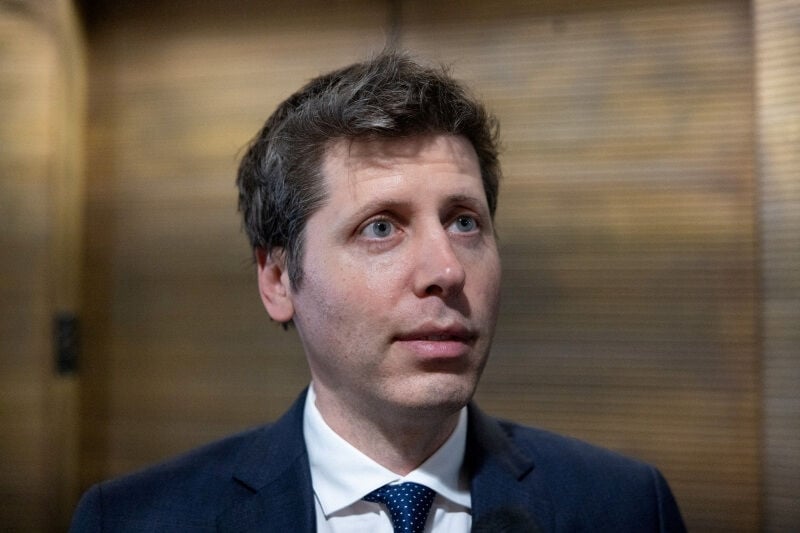
What Comes Next?
OpenAI is expected to continue developing its AI systems while investing in safety, alignment and governance. The company’s eventual IPO remains a possibility, but Altman’s remarks suggest that the timing will depend on more than financial readiness.
The decision also reinforces the importance of cooperation between technology companies, researchers and governments. Managing the risks associated with advanced AI may require shared standards, independent evaluations and regulatory frameworks that encourage innovation while addressing potential harm.
For investors, the announcement means that access to OpenAI shares through public markets will have to wait. For the technology industry, it highlights the growing importance of safety considerations in corporate decision-making.
Sam Altman’s confirmation that OpenAI will not go public in 2026 therefore represents more than a postponed financial milestone. It reflects the company’s stated intention to prioritize AI safety and alignment as it navigates the opportunities and challenges of increasingly powerful artificial intelligence.