T-Mobile is giving iPhone users another way to stay connected across multiple devices, but the convenience comes with an unexpected monthly cost. The wireless carrier has introduced support for a new iPhone feature that allows customers to use the same phone number across two compatible iPhones. However, customers who want to take advantage of the feature will have to pay an additional $5 per month.
The feature is part of Apple’s latest software update and is designed for people who own or regularly use more than one iPhone. Instead of maintaining separate phone numbers or cellular plans for each device, users can connect two iPhones to the same mobile number and switch between them.
For customers who frequently move between a primary phone and a secondary device, the feature could make everyday connectivity considerably easier. But T-Mobile’s decision to place a monthly charge on the service means that users will have to weigh the added convenience against another recurring expense.
How the New iPhone Feature Works
The feature allows a customer’s existing T-Mobile number to be associated with a second compatible iPhone. Once the devices are connected, users can move between the two phones while continuing to use the same number.
Calls and messages can follow the active device, allowing users to communicate without having to carry their primary iPhone everywhere. Cellular connectivity can also be available on the second device, depending on the customer’s plan and eligibility.
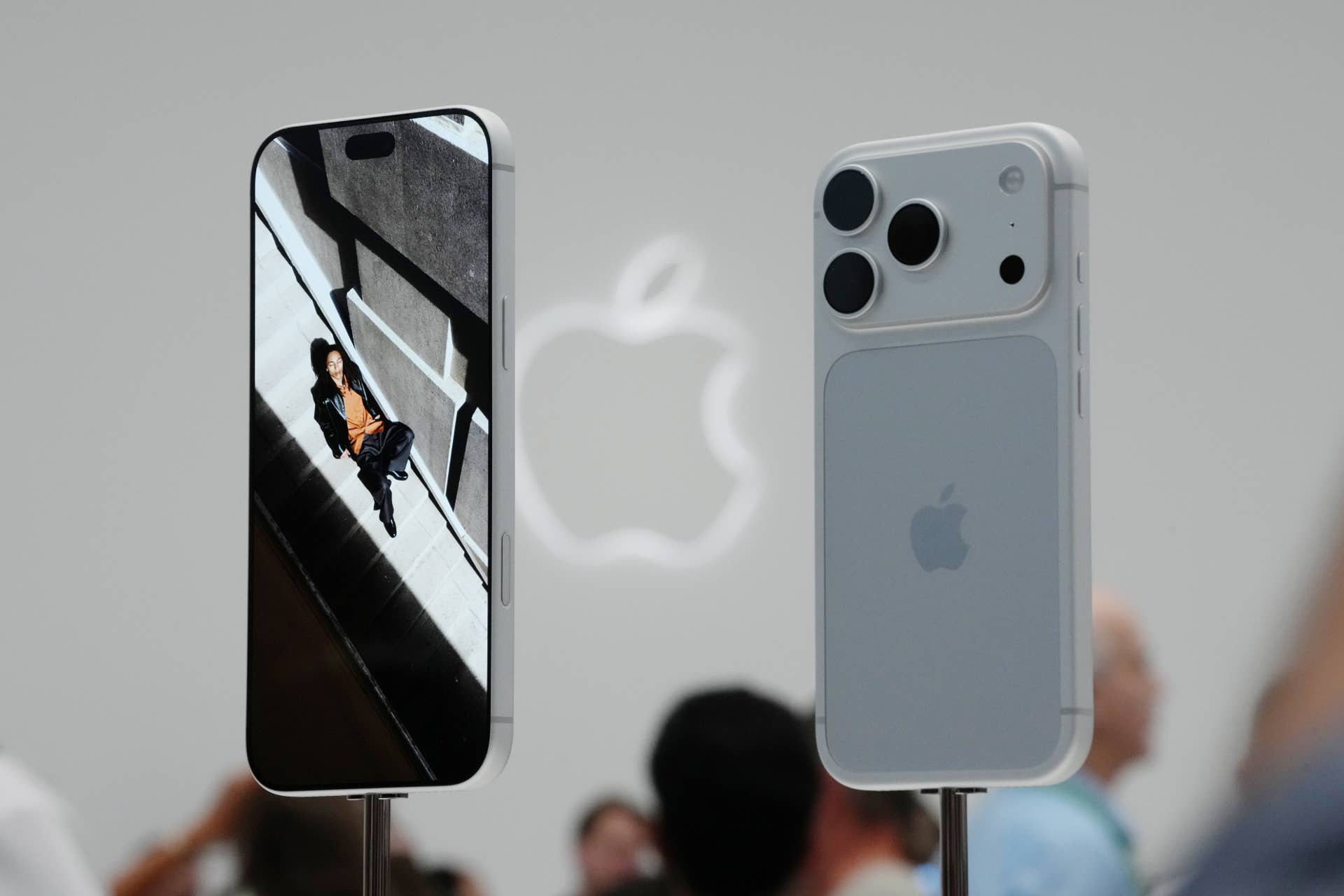
The setup could be particularly useful for people who maintain separate phones for work and personal activities. It could also appeal to users who keep an older iPhone as a backup device or want a second phone for travel.
Previously, using two iPhones with cellular connectivity generally meant purchasing a separate line or relying on other connectivity options. Apple’s new system is intended to make the process more seamless by linking the devices to one number.
The $5 Monthly Charge
The biggest surprise for T-Mobile customers is the additional fee.
T-Mobile is charging $5 per month for the service. Over the course of a year, that adds up to $60, on top of the customer’s existing wireless bill and the cost of the second iPhone.
While $5 may appear relatively small compared with the price of a smartphone or a traditional wireless line, recurring charges can add up over time. Customers who already pay for multiple services through their wireless provider may therefore want to consider whether they would use the feature frequently enough to justify the additional expense.
The charge also highlights an important distinction between Apple’s software features and the services required from wireless carriers. Although Apple provides the technology through its operating system, carriers still control how cellular connectivity associated with their networks is provided and priced.
As a result, the availability and cost of the feature can vary depending on the carrier.
Who Could Benefit From It?
The feature is primarily aimed at people who have a practical reason to use two iPhones.
For example, a professional might have one iPhone for regular use and another for work but still want both devices connected to the same number. Travelers could also benefit from having a second device available without having to manage another phone number.
It could also be useful for people who frequently switch between devices based on their surroundings. Someone might leave a more expensive iPhone at home and carry another device outside while still remaining reachable through the same number.
Families could potentially find uses for the feature as well, although the service is designed around linking devices to one customer’s number rather than turning a single line into a general family-sharing arrangement.
For customers who own only one iPhone and have no reason to use a second device, however, the feature is unlikely to provide much practical value.
What Users Need
Customers interested in using the feature will need compatible iPhones and the appropriate version of Apple’s operating system. Both devices also need to meet Apple’s account and connectivity requirements.
The phones are designed to work together through Apple’s ecosystem, meaning users need to configure the devices properly before they can begin switching between them.
Once the service is activated through T-Mobile, the second iPhone can be connected to the customer’s existing number. Users can then select which device they want to use without having to manually transfer a SIM card every time they switch phones.
The simplified process is one of the main advantages of the new system.
A New Cost for Added Convenience
T-Mobile’s decision to charge for the feature illustrates how wireless carriers continue to monetize additional connectivity options. Customers increasingly expect their devices to work together seamlessly, but network-based features can still come with separate charges.
For T-Mobile, the $5 monthly fee provides customers with an alternative to paying for an entirely separate cellular line. For some users, that could represent a relatively inexpensive way to connect a second iPhone.
For others, the additional recurring cost may make the feature less attractive, particularly if the second phone is only used occasionally.
The introduction of the feature also leaves open the possibility that other carriers could adopt different pricing models as they add support. Customers who use multiple iPhones may therefore see differences in how the service is offered depending on their wireless provider.
Ultimately, T-Mobile’s new offering gives iPhone users greater flexibility in how they use multiple devices, but that flexibility is not entirely free. The $5 monthly charge turns what might initially appear to be a simple software upgrade into another optional service on the customer’s wireless bill.
For people who regularly use two iPhones, the ability to maintain one number across both devices could make the fee worthwhile. For everyone else, the feature may simply be another capability that remains unused unless their smartphone habits change.