
The US Federal Communications Commission (FCC) has approved Paramount Skydance’s plan to accept billions of dollars in investment from sovereign wealth funds linked to Saudi Arabia, the United Arab Emirates (UAE) and Qatar, clearing a major regulatory hurdle for the company’s proposed acquisition of Warner Bros. Discovery.
The approval allows Paramount’s indirect foreign ownership to rise to as much as 100 percent, although the company currently expects foreign investors to hold around 49.5 percent of its equity. The decision has sparked concerns among some US lawmakers and FCC officials over the potential for foreign influence in one of the country’s largest media companies.
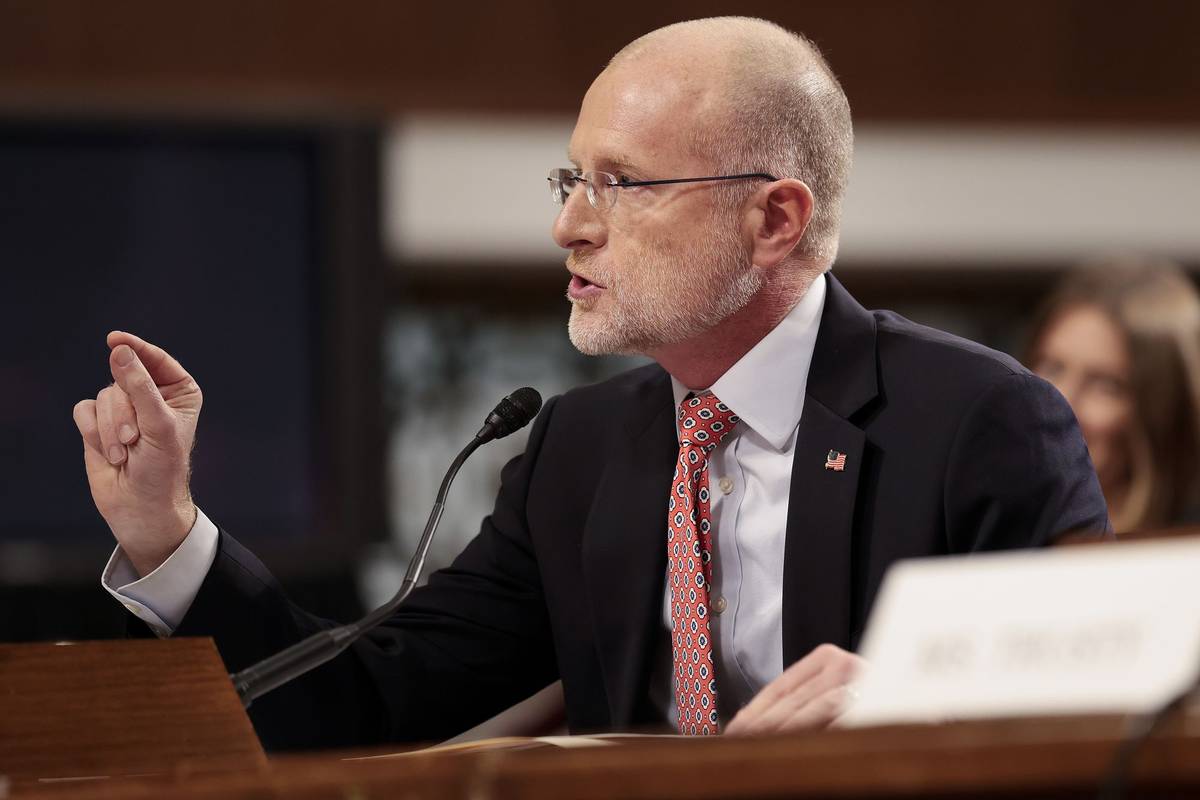
Credits: Common Dreams
Paramount Gets Waiver From US Foreign Ownership Rules
Under US law, companies holding broadcast licences generally require FCC approval when direct or indirect foreign ownership exceeds 25 percent of their stock. Paramount, which owns and operates 28 CBS stations, therefore sought a waiver from the FCC as part of its financing arrangements.
The company plans to issue non-voting Class B shares to foreign investors, while the Ellison family and RedBird Capital Partners will retain control of Paramount’s Class A voting shares.
The proposed foreign investment is expected to total $24 billion. Saudi Arabia’s Public Investment Fund is set to contribute $10 billion, while Qatar Investment Authority and Abu Dhabi’s L’imad Holding Co. are each expected to provide $7 billion.
The FCC Media Bureau concluded that the arrangement was in the public interest. It also rejected arguments that non-voting shareholders could nevertheless obtain meaningful influence over Paramount’s operations.
“Paramount asserts” that the new investors will have no ability to influence editorial decisions, news or entertainment content, or access viewers’ personal data, the FCC said in its order.
The agency also noted that David Ellison will retain control of Paramount and that the Ellison family will continue to hold a majority of the company’s voting stock.
Foreign Investment Raises Media Influence Concerns
The decision has nevertheless drawn criticism from FCC Commissioner Anna Gomez, the commission’s only Democrat. Gomez argued that the size and nature of the investment warranted a vote by the full commission rather than a staff-level decision.
She said the FCC was allowing Paramount to sell indirect ownership stakes to governments that have faced significant criticism over press freedom and argued that a major investment in an American media company could create avenues for influence.
Senate Democrats had also raised concerns in a May letter to FCC Chairman Brendan Carr. They pointed to the governments’ records on press freedom and their investments in US entities as reasons for greater scrutiny of the transaction.
The FCC, however, maintained that the concerns about practical influence were not persuasive. Its order emphasized that the foreign investors will hold non-voting stock rather than provide Paramount with loans or receive voting control.
Paramount-Warner Deal Still Faces Legal Hurdles
The FCC approval comes as Paramount pursues its proposed $111 billion acquisition of Warner Bros. Discovery. The transaction would bring together two major Hollywood studios and create a media giant with assets spanning film, television, streaming and news.
If completed, the deal would combine Paramount+ with HBO Max and give Paramount ownership of CNN and several other major television properties.
The merger has already received approval from the Trump administration’s Department of Justice. However, several US states have filed a lawsuit seeking to block the transaction, meaning the FCC’s decision does not by itself guarantee that the acquisition will be completed.
The foreign investment is a significant part of the financing for the proposed transaction.

Credits: The Hollywood Reporter
FCC Sets Conditions on Foreign Ownership
While approving Paramount’s request, the FCC imposed conditions intended to limit the foreign investors’ role in the company.
Paramount must monitor its foreign ownership to ensure continued compliance with FCC rules. The foreign investors will also be prohibited from influencing, directing or controlling Paramount’s content decisions or company management.
They will additionally be barred from providing commentary or guidance on Paramount’s programming and from accessing the company’s non-public data relating to US persons.
The FCC said foreign investment can bring broader economic benefits, including investment, job creation and technological development. Paramount’s approval therefore reflects a regulatory distinction between financial ownership and operational control.
The broader debate, however, is likely to continue as Paramount moves toward its proposed Warner Bros. Discovery acquisition and takes on billions of dollars from foreign sovereign wealth funds.