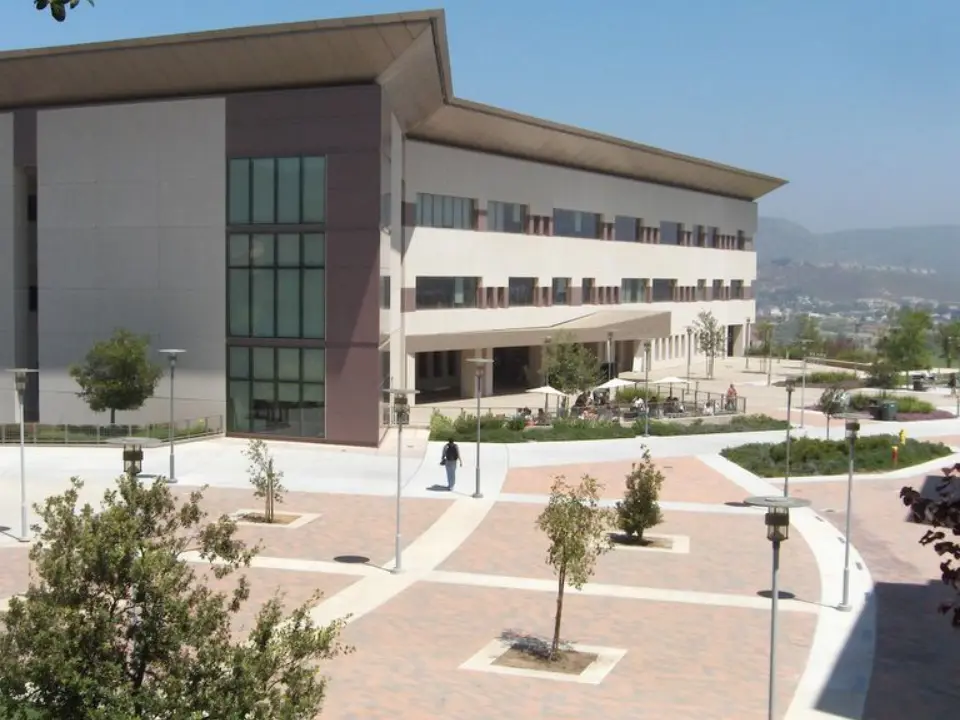
Praxis, a technology-focused company building around artificial intelligence, cryptocurrency and internet-native communities, has announced plans to develop a new tech-oriented enclave in Uruguay. The first phase of the ambitious project will be based at +Colonia, a waterfront development adjoining the historic city of Colonia del Sacramento.
The company plans to mobilise around $1 billion in investment over the next three years, with the first residents expected to move into the community by the middle of 2027. Praxis envisions +Colonia as more than a residential development, bringing together homes, hospitality, cultural institutions and commercial spaces shaped around its vision of a future powered by artificial general intelligence (AGI).
&imwidth=800&imheight=600&format=webp&quality=medium)
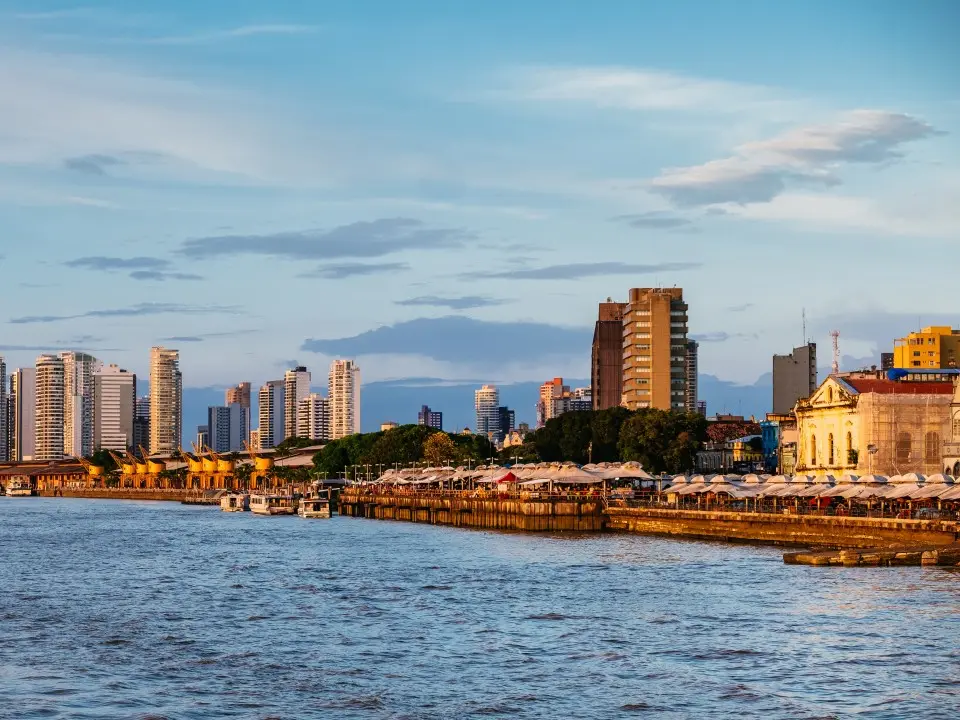
Credits: WION
Praxis looks to build an internet-native community
Led by a 30-year-old chief executive, Praxis has emerged as one of the prominent groups exploring the idea of creating physical communities around internet-native principles. Rather than following the structure of conventional municipalities, the broader movement seeks to establish communities built around decentralised systems, technology and shared values.
Praxis’ proposed development reflects that approach while remaining closely connected to its surrounding environment. The company plans to combine technology-driven ideas with architecture, hospitality and cultural life, creating a community designed around how people may live in a future where technology changes the role of work.
The +Colonia project is expected to include residential properties, infrastructure, hospitality facilities and spaces for cultural and commercial activities. The development will also seek to connect international capital and talent with Uruguay’s existing creative, business and cultural ecosystem.
Why Uruguay became the first choice
Praxis said Uruguay was selected because of its natural landscape, political and economic stability, democratic institutions and established local community. The country also provides an opportunity to develop the project alongside local partners rather than creating an isolated technology enclave.
+Colonia’s waterfront location is central to the project’s identity. Praxis wants the development to offer homes with generous spaces, natural materials, carefully planned landscapes and a strong connection to the surrounding waterfront.
The company also plans to make dining, wellness and hospitality an important part of everyday life. Its ambition is to bring the level of architectural attention, privacy and service associated with high-end resorts into a permanent residential community.
A potential boost for local businesses and workers
The proposed investment could also create opportunities for businesses and workers in Uruguay. Praxis expects the project to generate demand across construction, hospitality, creative industries and local supply chains as development progresses.
Potential areas of collaboration include workforce training, partnerships with Uruguayan architects and artists, and relationships with educational and cultural organisations. The company said more detailed programmes will be developed with local partners as planning moves forward.
This approach could allow the project to combine international investment with local expertise instead of operating independently of the existing economy.
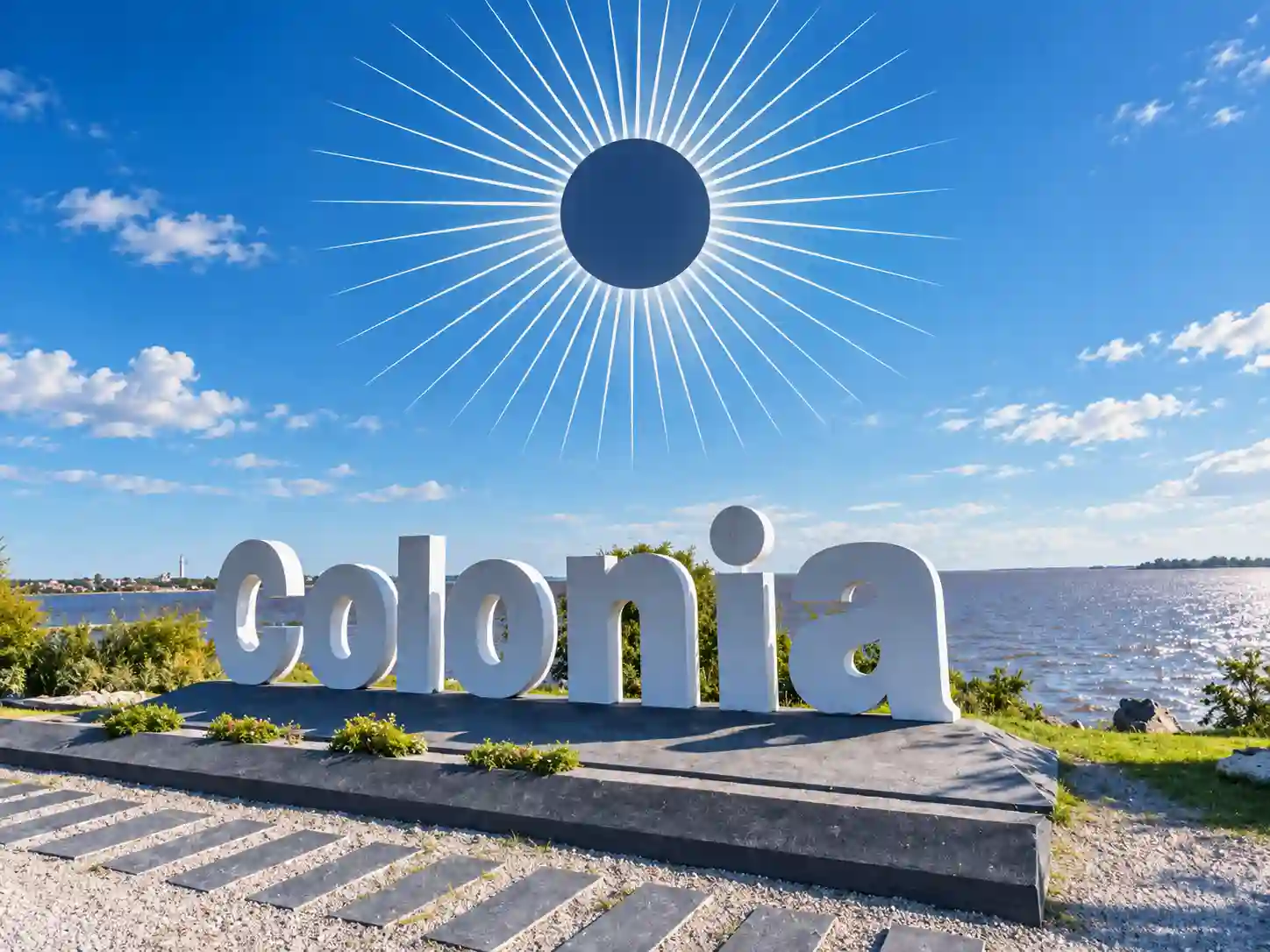
Credits: Econosur
Building for a post-work future
At the centre of Praxis’ vision is a bet on how artificial general intelligence could change society. The company believes increasingly capable AI systems could eventually handle a significant share of economic work currently performed by humans, potentially creating enormous wealth while changing the reasons people choose particular places to live.
In such a future, Praxis argues, location may become less closely tied to employment. Instead, factors such as architecture, natural surroundings, community, privacy, culture and access to hospitality could become increasingly important.
With +Colonia, Praxis is attempting to turn that idea into a physical environment. If the project progresses as planned, its first residents could arrive in 2027, offering an early glimpse of what an AI-focused, internet-native community might look like in practice. The project could become a significant test of how technology, capital and community reshape urban living.