OpenAI has accused Apple of improperly introducing new evidence and expert opinions in a trade secrets lawsuit involving the iPhone maker, the AI company, Jony Ive’s io Products and two former Apple employees.
The dispute comes as Apple seeks a preliminary injunction that would prevent the defendants from accessing, using, disclosing or soliciting its confidential information and trade secrets.
Apple filed the lawsuit against OpenAI, io Products and former employees Chang Liu and Tang Tan, alleging that confidential company information was improperly accessed or sought after the two left the company. Apple claims Liu accessed confidential engineering files after departing, while Tan sought confidential information from Apple employees who were interviewing for jobs.
The latest disagreement focuses not on the underlying allegations alone, but on how Apple has presented evidence to the court.
Credits: Firstpost
Apple Files 126 Pages of Expert Declarations
As part of its push for a preliminary injunction, Apple recently submitted a reply brief containing five expert declarations totaling 126 pages, along with 13 exhibits.
The declarations were prepared by experts Daniel Roffman, James Pooley, Dr. Ayman Fayed, Dr. Paul Hatch and Dr. Jude Runge. Apple is using their opinions and supporting material to strengthen its arguments concerning the alleged handling of confidential information by Liu, Tan and the other defendants.
The filing has now triggered a procedural challenge from OpenAI and the other defendants.
The defendants argue that Apple used its reply brief to introduce evidence and expert opinions that should have been presented earlier in the proceedings. According to their position, allowing the additional material at this stage would limit their ability to properly respond to Apple’s claims.
They have therefore asked the court to strike two of the new declarations, including five exhibits submitted by Roffman, and disregard other evidence and opinions they consider improperly introduced.
Defendants Challenge Apple’s Expert Evidence
The defendants have raised specific objections to several of Apple’s expert submissions.
They argue that Runge was introduced as an entirely new expert whose declaration was intended to reinforce testimony Apple had already provided. They have also challenged Fayed’s declaration, claiming that the opinions contained in it could have been included in Apple’s original motion rather than introduced later.
Pooley’s declaration has also come under scrutiny. The defendants allege that he relied on an investigation conducted only after Apple had filed its original motion, which they say raises questions about whether the evidence should be considered at this stage.
At the heart of the dispute is whether Apple is entitled to use its reply brief to strengthen its preliminary-injunction request with substantial new material, or whether doing so gives the company an opportunity to respond to arguments from the defendants with evidence that should have appeared earlier.
The defendants have argued that the latter would be unfair because they would not have had the same opportunity to respond.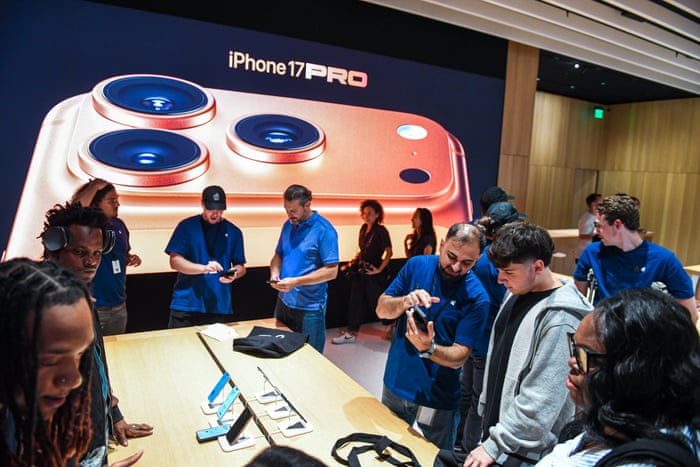
Credits: The Guardian
Defendants Seek to Add Liu’s Explanation
The defendants have also proposed a way to address the evidentiary dispute if the court decides to consider Apple’s new material.
If the court allows Roffman’s declaration and accompanying exhibits to remain part of the record, the defendants have asked it to also consider a new declaration from Chang Liu.
Liu’s declaration provides his account of the messages and device activity that Apple has cited as evidence in its case against him. The defendants argue that considering his explanation alongside Apple’s evidence would give the court a fuller picture of the disputed events.
The court’s decision on these evidentiary issues could affect how the preliminary-injunction request is evaluated. For now, however, the disagreement illustrates a separate procedural battle within Apple’s broader trade secrets lawsuit against OpenAI, io Products and the two former employees.