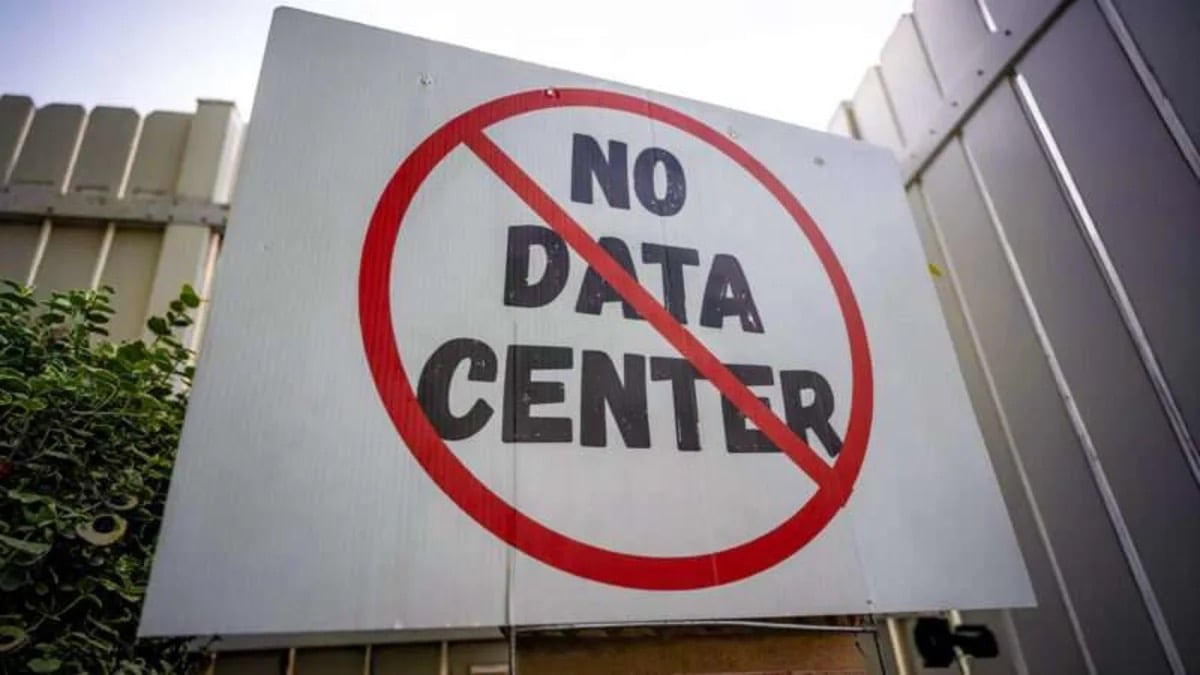
A proposed 1,300-acre data center development has triggered strong opposition from local residents after the developer offered $10,000 checks to as many as 4,500 households if the massive facility receives approval.
The offer is intended to provide a direct financial benefit to residents who could be affected by the development. However, a number of locals are reportedly rejecting the proposal, saying the payment does not address their concerns about noise, property values and the long-term impact of the project on their community.
The controversy comes as demand for data centers continues to grow rapidly. The expansion of cloud computing, artificial intelligence and other digital services has created a need for increasingly large facilities capable of housing thousands of servers and the infrastructure required to operate them.
The proposed project would occupy approximately 1,300 acres, making it a major development for the surrounding area. While supporters may see the facility as an opportunity for investment and economic activity, residents living nearby are concerned about what such a large project could mean for their homes and daily lives.
Noise is among the biggest concerns.
Data centers operate around the clock and require extensive cooling and power infrastructure. Cooling equipment, backup generators and other mechanical systems can produce continuous noise. Residents fear that the facility could introduce a persistent industrial sound into an area that may currently be considerably quieter.

For homeowners, the concern is not limited to occasional construction noise. The possibility of permanent operational noise has prompted questions about what life would be like once the facility is fully functioning.
Some residents are also worried about their property values.
Homeowners who live near major industrial or infrastructure developments can be concerned that changes to the surrounding environment could affect the attractiveness of their properties. In this case, opponents fear that proximity to a huge data center could discourage potential buyers or reduce what they are willing to pay.
That concern has made the proposed $10,000 payments particularly controversial.
Some residents reportedly view the checks as an attempt to persuade them to support the development rather than as adequate compensation for potential long-term effects. Critics have described the offer as a “bribe,” arguing that a one-time payment cannot compensate homeowners for years of noise, changes to the landscape or a possible decline in property values.
The developer’s offer, however, represents an effort to give households a tangible financial benefit from the project. Whether residents consider that benefit sufficient is at the heart of the dispute.
The disagreement also reflects a broader problem facing communities where large data center developments are being proposed.
Data centers can generate significant economic activity. Construction requires workers and contractors, while completed facilities can contribute to local tax revenues and create permanent technical, maintenance and support jobs. New infrastructure associated with a development can also bring investment to an area.
But these benefits can come with substantial local impacts.
Large facilities require considerable amounts of electricity and, depending on their cooling systems, water. They can also require extensive transmission infrastructure, roads and other supporting facilities. Residents may therefore see the projects differently depending on whether they prioritize potential economic benefits or concerns about their immediate surroundings.
The scale of this particular proposal has intensified those concerns.
A 1,300-acre development would occupy an enormous amount of land and could significantly change the appearance and character of the area. Residents who value open space or a quieter residential environment may fear that the project represents a permanent transformation of their community.
Trust is another important factor in the opposition.
Some residents reportedly question whether promises made by the developer about noise control and other safeguards will remain effective once the facility is operational. While developers can propose mitigation measures, residents may want stronger guarantees, monitoring requirements and enforcement mechanisms before agreeing to the project.
That skepticism can make financial incentives less persuasive.
A $10,000 payment provides an immediate benefit, but residents are being asked to consider consequences that could last for decades. For homeowners, a potential change in property value or quality of life may outweigh a one-time payment.
The controversy is also unfolding against the backdrop of the artificial intelligence boom.
AI companies and technology firms are building increasingly powerful systems that require enormous computing resources. Data centers are the physical infrastructure behind many of these services, making new facilities an important part of the technology industry’s expansion.
As demand grows, developers are searching for locations with access to electricity, land and other infrastructure. Communities in those areas are increasingly being asked to weigh the economic opportunities associated with data centers against their environmental and social costs.
The debate over the proposed facility illustrates how difficult that balance can be.
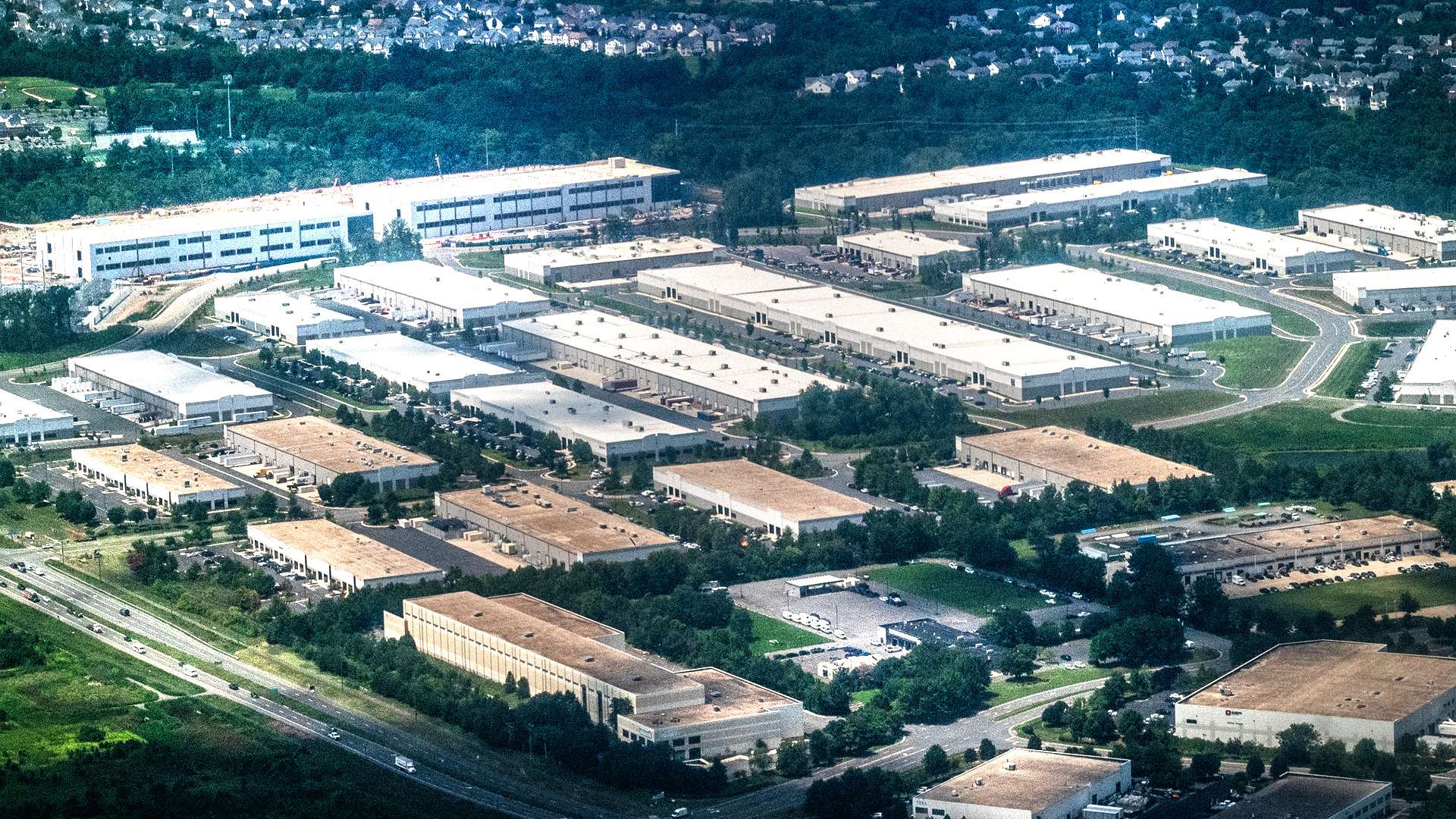
For supporters, the project could represent new investment and economic opportunities. For opponents, the scale of the development raises questions about whether those benefits justify the potential impact on nearby residents.
The $10,000 offer has become a symbol of that disagreement.
Residents who reject the payments are making clear that their concerns are not necessarily about the amount of money being offered. Instead, they are questioning whether financial compensation can adequately address potential changes to their homes and surroundings.
The project’s approval process will ultimately determine whether construction can proceed. Local authorities are expected to consider issues including zoning, infrastructure, environmental effects and the concerns raised by residents before making a decision.
For the community, the outcome could have consequences far beyond the immediate financial offer.
If approved, the project could bring a significant new investment to the area while permanently changing the surrounding landscape. If it does not move forward, the dispute could become another example of the challenges developers face when large technology infrastructure projects encounter organized local opposition.
For now, the debate remains focused on a fundamental question: whether a $10,000 payment is enough to persuade residents to accept the potential long-term consequences of living alongside a massive, always-operating data center.
For many of those opposing the proposal, the answer appears to be no. Their concerns over noise, property values and trust have made the development a contentious issue, demonstrating that the rapid expansion of the digital economy can create difficult choices for the communities where its physical infrastructure is built.