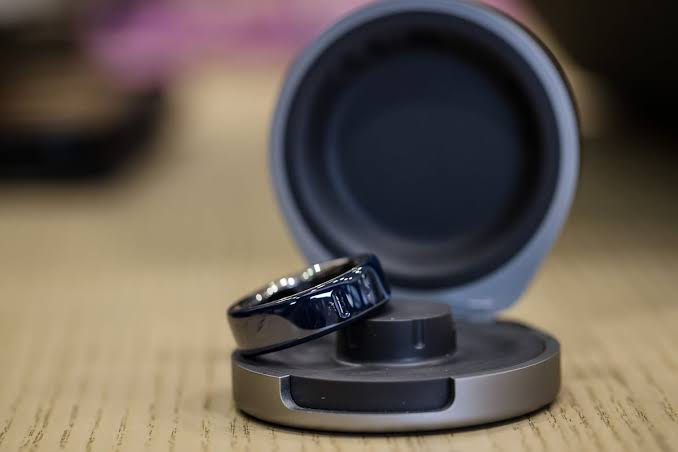
Oura, the company behind the popular Oura smart ring, has put its planned US stock market debut on hold despite seeing investor demand far exceed the number of shares available in the offering.
The decision comes just as the company was preparing to move ahead with its initial public offering (IPO), which could have raised around $2.2 billion and valued Oura at more than $14 billion. The move highlights the uncertainty facing companies looking to enter public markets even when investor appetite appears strong.
Credits: The Tech Buzz
Oura IPO Attracted Four Times More Orders Than Available Shares
Oura had reportedly planned to offer 50 million shares in its IPO at a price range of $40 to $44 per share. At the upper end of that range, the offering could have generated roughly $2.2 billion.
The company was expected to be valued at around $14.1 billion based on its outstanding shares. When stock options and restricted stock units are included, the implied valuation would have reached approximately $15 billion.
Investor interest, meanwhile, appeared unusually strong. Orders for the IPO reportedly came in at around four times the number of shares available, suggesting that demand was significantly higher than the supply being offered.
Despite that level of interest, Oura and its advisers have decided not to proceed with the listing for now. Banks had been preparing to finalise investor orders this week as the company moved closer to its planned market debut.
Smart Ring Maker Was Set For Nasdaq Debut
If the IPO had gone ahead, Oura would have listed on the Nasdaq under the ticker symbol OURA.
The listing would have represented a major milestone for a company that has helped turn smart rings into a growing category within the wearable technology market. Oura’s devices track metrics such as sleep, activity and recovery, positioning the company at the intersection of consumer electronics, fitness and personal health technology.
The planned offering would also have been one of the year’s largest US IPOs. A successful debut could have provided Oura with significant capital while giving early investors and existing shareholders an opportunity to sell part of their holdings.
However, the decision to delay the listing shows that strong demand alone may not be enough for companies to proceed with an IPO. Market conditions, pricing expectations and broader investor sentiment can all influence the timing of a public offering.
Oura Joins Companies Taking A Cautious Approach
Oura’s decision comes amid a cautious environment for new stock market listings. Companies preparing to go public have increasingly had to weigh the benefits of accessing public capital against the risks of launching during uncertain market conditions.
A later Oura offering could become one of the most significant IPOs to return to the market. If the company eventually proceeds with a deal above $1 billion, it could also mark the first offering of that size since Jersey Mike’s Subs completed its IPO in July.

Credits: Yahoo Finance
For now, however, Oura appears willing to wait rather than force a public debut. The strong order book suggests that investors were interested in owning a piece of the smart-ring maker, but the company has chosen to keep the listing on hold.
That leaves Oura’s IPO plans in a holding pattern. Whether the company returns with the same valuation, adjusts its price range or changes the size of the offering will depend on market conditions when it decides to try again.
Conclusion:
Oura’s decision to delay its IPO shows that even strong investor demand does not guarantee a smooth stock market debut. With orders reportedly reaching four times the available shares, interest in the smart-ring maker remains substantial. However, broader market conditions have encouraged caution. The company now has an opportunity to reassess its valuation, timing and offering structure before returning to Nasdaq and pursuing its long-awaited public listing.