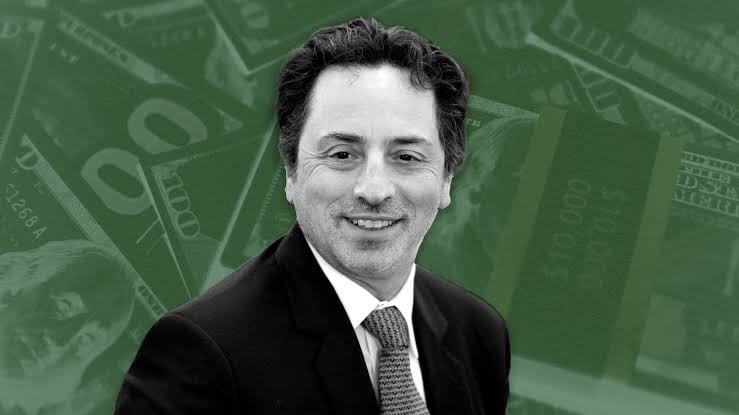
Google co-founder Sergey Brin has poured $102 million into efforts to defeat California’s proposed billionaire tax, highlighting the enormous financial stakes facing some of the state’s wealthiest residents as lawmakers and voters debate how to tax fortunes built largely through stocks and other assets.
Brin, one of the richest people in the world, has emerged as a major financial force in the campaign opposing the proposed tax. His spending underscores the growing divide between supporters who see a wealth tax as a way to generate billions of dollars for public services and wealthy business leaders who argue that such a policy could damage California’s economy and encourage billionaires to leave the state.
The proposed tax would impose a one-time levy of 5% on the assets of billionaires who meet the measure’s residency requirements. Unlike conventional income taxes, which are generally charged when people earn money, the proposal would apply to accumulated wealth. That could include stocks, business interests, real estate and other assets.
For Brin, the potential financial impact would be substantial. His fortune is estimated to be well above $250 billion, much of it tied to his holdings in Alphabet, the parent company of Google. If the proposed 5% tax were applied to a taxable fortune of roughly $260 billion, his liability could approach $13 billion.

That potential bill helps explain why the campaign surrounding the proposal has attracted extraordinary amounts of money from billionaire technology executives and other wealthy Californians.
Brin’s $102 million contribution represents an unusual level of spending by a single individual on a state-level political fight. The money has been directed toward efforts designed to persuade voters to reject the proposed tax and to support alternative measures that could prevent it from being implemented.
The battle also reflects a broader debate over California’s tax structure. The state already has one of the highest income-tax rates in the United States, but most wealth held by billionaires is not taxed in the same way as ordinary wages. Much of a billionaire’s net worth can consist of shares in publicly traded companies. Those shares can increase dramatically in value without creating taxable income unless they are sold.
Supporters of the proposed billionaire tax argue that this allows extremely wealthy individuals to accumulate enormous fortunes while paying relatively little tax on the growth of those assets. They contend that a one-time wealth tax could generate significant revenue while asking billionaires to contribute more directly to public programs.
The proposal has been presented as a potential source of funding for healthcare, education and food assistance. Under the plan, the overwhelming majority of the revenue would be directed toward healthcare programs, while additional money would support education and food-related assistance.
Opponents, however, argue that estimating the value of billionaire assets would be complicated and could create major administrative challenges. A person’s wealth can change significantly from one day to another depending on stock-market movements. Private companies, real estate holdings and other assets can also be difficult to value accurately.
Critics have also warned that a wealth tax could encourage billionaires to change their residency. California is home to some of the world’s largest technology companies and has long attracted entrepreneurs, investors and venture capital. Opponents say imposing a large tax on wealth could make the state less attractive to wealthy business owners and investors.
Supporters counter that concerns about wealthy residents leaving should not prevent the state from considering new ways to raise revenue. They argue that California’s economy benefits substantially from the enormous fortunes created within the state and that billionaires can afford to contribute more toward public services.
Brin’s involvement has made the debate particularly notable because of his connection to one of California’s most important technology companies. He co-founded Google with Larry Page in the late 1990s, helping build the company into one of the world’s dominant internet businesses. His wealth has grown alongside the value of Alphabet, making him one of the clearest examples of how technology equity can create enormous personal fortunes.
The proposed tax therefore raises questions that extend beyond Brin himself. California’s debate could become a test case for other states considering similar approaches to taxing extreme wealth. If the measure succeeds, it could provide a model for policymakers elsewhere seeking to generate revenue from the country’s wealthiest households.
If it fails, the result could reinforce arguments from opponents that voters are unwilling to impose taxes directly on accumulated fortunes, particularly when those taxes could affect business investment and residency decisions.
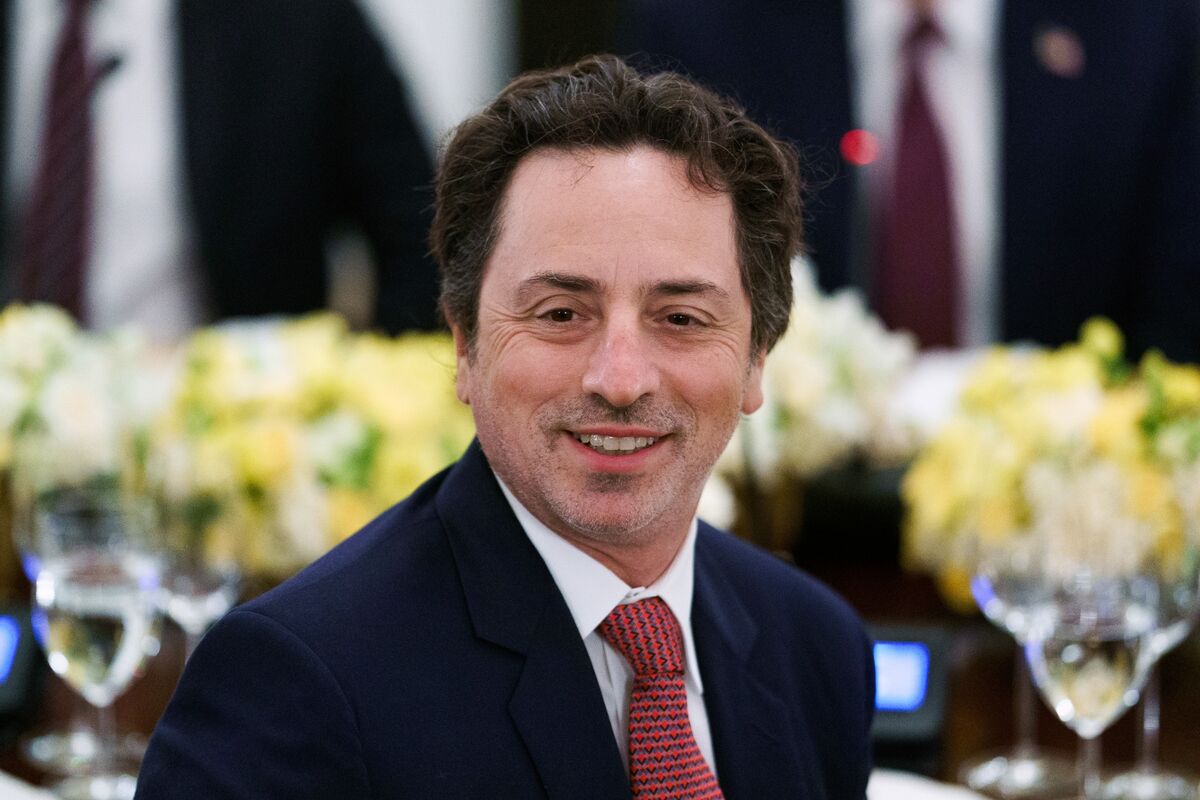
For Brin, the immediate issue is considerably more personal. Spending $102 million to defeat the measure is a significant investment, but it is small compared with the potential tax bill he could face if the proposal ultimately applies to his fortune.
The difference between those figures illustrates the scale of the political fight. Brin’s campaign spending is measured in hundreds of millions of dollars, while his potential tax exposure could reach into the tens of billions.
As California moves closer to a decision, the billionaire tax debate is likely to remain a closely watched confrontation between two competing visions of the state’s future: one focused on making the wealthiest residents contribute more to public programs, and another concerned that aggressive taxation could alter where wealthy individuals live, invest and build businesses.
For Brin and other billionaires watching the campaign, the outcome could have consequences extending far beyond a single tax payment.