


Walmart’s patent filings are drawing attention to how algorithms could reshape retail pricing, potentially allowing prices to change more frequently in response to market conditions, customer behaviour and demand. As retailers increasingly invest in artificial intelligence and automated decision-making, the technology raises questions about whether future shopping experiences could involve more dynamic pricing and less predictable costs for consumers.
Walmart, one of the world’s largest retailers, has consistently invested in technology to improve inventory management, online shopping and supply chain operations. Its patents describe technological approaches that could support increasingly automated retail systems. However, patents outlining potential capabilities do not necessarily mean that the company has implemented them commercially.
The broader concern is how retailers might use sophisticated pricing technology as they gain access to more detailed information about products, competitors and consumer behaviour.
How Algorithms Could Change Retail Prices
Traditional retail pricing typically involves teams analysing costs, competitor prices, demand and profit margins before deciding how much products should cost. Automated pricing systems can perform many of these calculations much faster, processing information across thousands of products simultaneously.
An algorithm could monitor inventory levels, identify changes in demand and recommend price adjustments based on predetermined business objectives. For example, a retailer might lower prices on products that are selling slowly or increase prices when supply becomes limited.
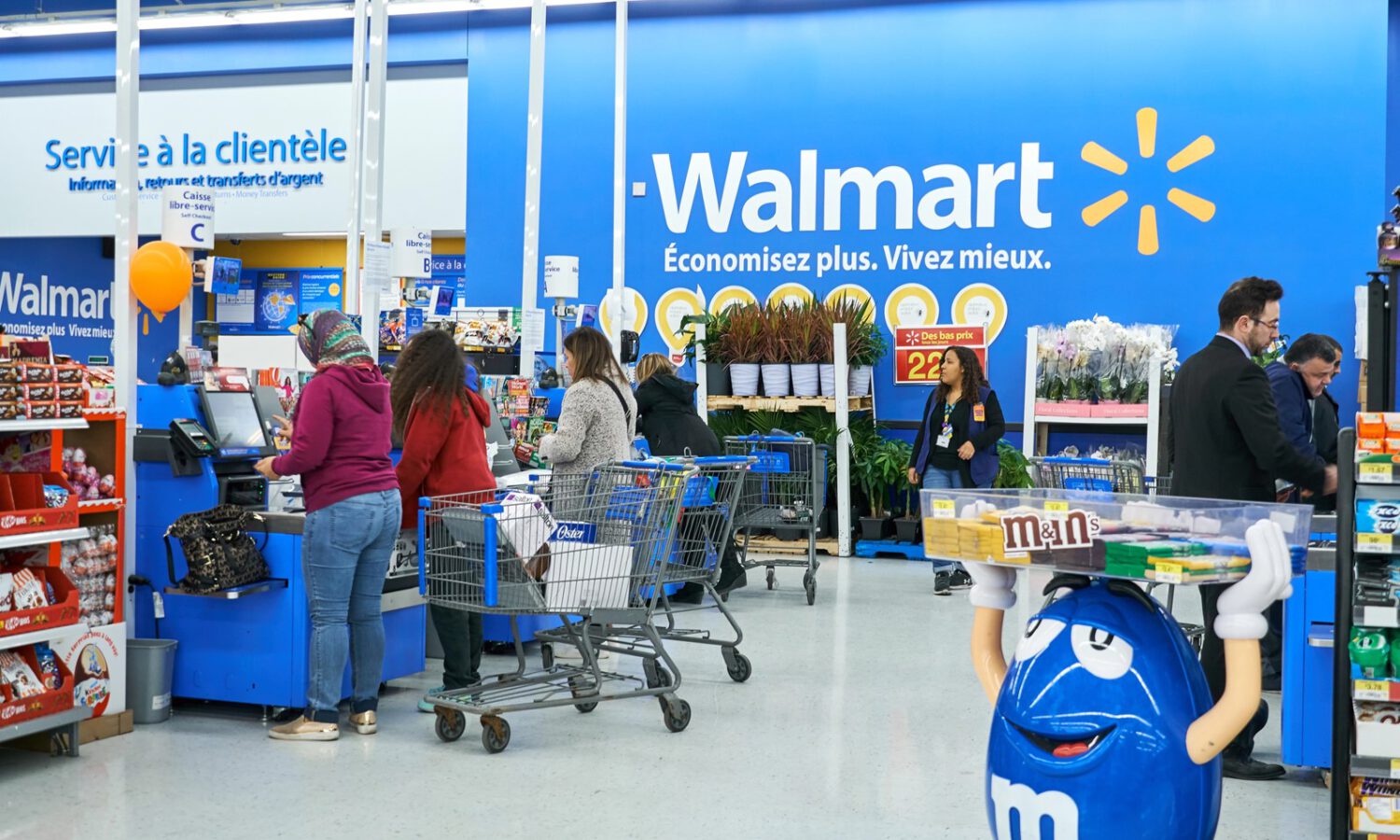
These systems can also respond to competitor pricing, seasonal shopping patterns and promotional activity. For a retailer operating thousands of stores and an extensive online marketplace, automation offers an opportunity to manage prices more efficiently.
However, the same capabilities could allow prices to change rapidly when demand rises. If a product becomes particularly popular, an algorithm designed to maximise revenue could recommend increasing its price, depending on the retailer’s pricing policies and competitive environment.
Such adjustments are not automatically unfair or unusual. The concern arises when consumers cannot easily understand why prices change or when pricing systems use personal information to determine what individual shoppers might be willing to pay.
The Possibility of Personalised Pricing
One of the most controversial possibilities associated with data-driven retail technology is personalised pricing. Under this approach, businesses could potentially use information about individual customers to determine the prices or offers presented to them.
For example, a retailer might analyse shopping history, purchasing frequency or responses to previous promotions to estimate which discounts are likely to influence a customer’s decision. More advanced systems could theoretically use such information to tailor commercial offers.
This creates a distinction between offering a discount to encourage a purchase and charging a higher price because an algorithm predicts that a customer is willing to pay more.
The latter possibility raises concerns about fairness and transparency. Two customers shopping for the same product could potentially encounter different offers, making it harder to determine whether a price is competitive.
However, Walmart’s patent filings alone do not establish that the company currently charges different customers different prices for identical products based on their personal data. Actual implementation would need to be demonstrated separately.
Artificial Intelligence Could Accelerate Pricing Decisions
Artificial intelligence could make automated pricing systems more sophisticated by helping retailers identify patterns, forecast demand and evaluate possible pricing strategies.
These systems could combine information about sales, inventory, supply costs and market conditions to recommend changes across different product categories. Retailers could also use automated tools to coordinate pricing decisions between physical stores and online platforms.
The technology could produce benefits for both businesses and shoppers. More efficient inventory management could reduce waste, while automated responses to competitors could help retailers maintain competitive prices. Discounts could also be introduced more quickly when products need to be cleared from warehouses.
Nevertheless, outcomes would depend on how the systems are designed. An algorithm optimised primarily for profitability could make different decisions from one designed to prioritise competitive pricing or customer retention.
As a result, the commercial objectives set by retailers will remain important in determining whether automation leads to lower prices, higher prices or greater variation between shopping experiences.
Consumer Protection and Competition Concerns
The growing use of automated pricing has raised broader questions about consumer rights and competition. When prices change frequently, shoppers may find it more difficult to compare offers or understand the factors influencing the final amount they pay.
There are also concerns about how personal information might be used in pricing decisions. If retailers begin relying more heavily on individual purchasing patterns, consumers may want clearer explanations of what data is collected and whether it affects the prices they receive.
Competition presents another challenge. Algorithms that continuously monitor rival businesses could respond to competitors’ prices almost instantly. Although this can encourage competition, poorly designed systems could also contribute to market conditions in which prices remain elevated. The actual impact would depend on market structure and how the algorithms interact.
Regulators may therefore face increasing pressure to examine automated pricing practices, particularly where consumers have limited alternatives or cannot easily determine how prices are calculated.
What Walmart’s Patents Actually Prove
A patent describes an invention or technological approach for which a company seeks intellectual property protection. It does not necessarily confirm that the technology has been launched, tested at scale or incorporated into everyday business operations.
Walmart’s patents should therefore be understood as indications of possible technological capabilities, not definitive proof that the company is using algorithms to increase prices for individual shoppers.
Establishing whether a particular system affects customers would require evidence about its deployment, the information it processes and the pricing decisions it makes.
This distinction is particularly important as discussions about artificial intelligence increasingly blur the line between what technology could do and what companies are actually doing.
The Future of Shopping
Walmart’s patent portfolio reflects a wider transformation across retail, where data and automation are becoming central to business decisions. As pricing technology advances, retailers could gain greater flexibility to respond to changing market conditions and manage large product catalogues.
For consumers, the potential benefits include more competitive offers, improved product availability and discounts that respond to market conditions. The risks include less predictable prices, limited transparency and the possibility of pricing practices that disadvantage particular shoppers.
Ultimately, the impact will depend on how retailers deploy these technologies and whether effective safeguards ensure fair treatment. The central question is not simply whether algorithms can change prices, but whether those changes serve competitive markets and consumers rather than exploiting their purchasing behaviour.
As automated pricing develops, transparency and accountability are likely to become increasingly important in determining how much control shoppers retain over the prices they pay.


