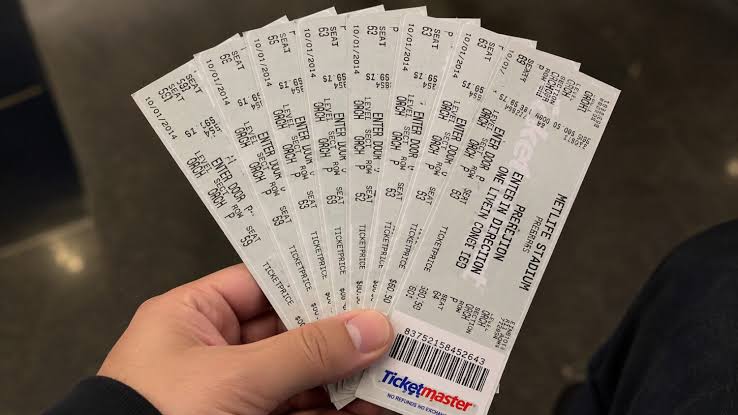
Four major ticket resale platforms, SeatGeek, Vivid Seats, Gametime and TickPick, have sued Washington DC to block a new law that would limit how much they can charge for resold event tickets. The lawsuit challenges the constitutionality of the District of Columbia’s Restricting Egregious Scalping Against Live Entertainment Amendment (RESALE) Act, which aims to curb excessive markups and make live entertainment more affordable for fans.
Passed by the DC Council in June, the legislation is scheduled to take effect on January 1, 2027. It would prohibit tickets from being resold for more than 10% above their original price, including taxes and fees, while also capping resale marketplace service fees at 10% of the original ticket price. Most sporting events and movie tickets are exempt from the restrictions.

Credits: TechSpot
Why Ticket Resale Companies Are Challenging the Law
The four platforms argue that the RESALE Act could create more problems for consumers than it solves. Their lawsuit alleges that the legislation violates several provisions of the US Constitution, including the dormant Commerce Clause, the Due Process Clause and the First Amendment.
The complaint also challenges the law under the Home Rule Act, which limits the DC Council’s authority to enact legislation applying exclusively within the District.
According to Brian Berry, executive director of the Ticket Policy Forum (TPF), a trade association representing online ticket marketplaces, the restrictions could push ticket transactions towards unregulated channels, increasing the risk of scams and fraud.
Berry has also argued that resale platforms often lack access to the original transaction information needed to calculate the permitted resale price. Because the legislation ties the maximum resale price to the ticket’s original cost, marketplaces could struggle to comply when they were not involved in the initial sale.
The lawsuit further claims that the law’s geographic reach is problematic because many transactions involve buyers and sellers located outside Washington DC.
Ticketmaster Exemption Sparks Industry Controversy
One of the central criticisms of the RESALE Act concerns its treatment of primary ticket sellers, including Ticketmaster and venue box offices.
According to the Ticket Policy Forum, the legislation exempts primary ticket sales from its resale price restrictions, potentially allowing initial ticket prices to remain high while imposing limits on secondary marketplaces.
Berry argued that this creates an uneven playing field, particularly in a market where Ticketmaster and its parent company, Live Nation Entertainment, have faced scrutiny over their influence on the live entertainment industry.
The complaint also states that fewer than 1% of transactions covered by the law on the plaintiffs’ platforms in the previous year involved buyers and sellers who were both located in DC. For non-sporting events held in the District, approximately 85% to 90% of transactions reportedly involved buyers and sellers located outside DC.
The companies argue that these figures raise questions about whether the local government has the authority to regulate such a large proportion of transactions taking place beyond its borders.
The platforms have also contended that the proposed 10% service fee cap may be insufficient to cover the costs associated with completing resale transactions.
Supporters Say the Law Will Protect Concertgoers
Supporters of the RESALE Act argue that restrictions are necessary to prevent ticket scalpers from exploiting fans by purchasing tickets in bulk and listing them at inflated prices.
IMP Entertainment, which owns the 9:30 Club and backed the legislation, has expressed support for the proposed limits. The company believes the restrictions could help make tickets more accessible to people who want to attend live performances without paying excessive resale premiums.
DC Councilmember Charles Allen has also defended the measure, criticising resale platforms for profiting from inflated ticket prices. Supporters maintain that the legislation targets an established problem in the ticketing industry rather than unfairly penalising legitimate businesses.
However, the exemption for primary ticket sales remains a contentious issue. Critics argue that limiting resale markups without addressing high initial prices could leave some affordability concerns unresolved.

Credits: Digital Music News
US Ticketing Industry Faces Wider Regulatory Pressure
The legal battle in Washington DC comes amid a broader push by US regulators to address ticketing practices and improve consumer protection.
In 2021, the Federal Trade Commission (FTC) took action against ticket-buying bots used by scalpers to circumvent purchasing restrictions. In September 2025, the agency also sued Ticketmaster and Live Nation over allegations that they enabled scalpers to bypass purchase limits and misled consumers about ticket prices. That case remains pending.
Federal rules also require mandatory ticket fees to be disclosed upfront, giving consumers greater visibility into the total cost of a purchase. However, transparency requirements do not necessarily prevent tickets from being resold at substantially higher prices.
The RESALE Act represents a more direct approach by attempting to restrict resale prices rather than simply requiring greater disclosure.