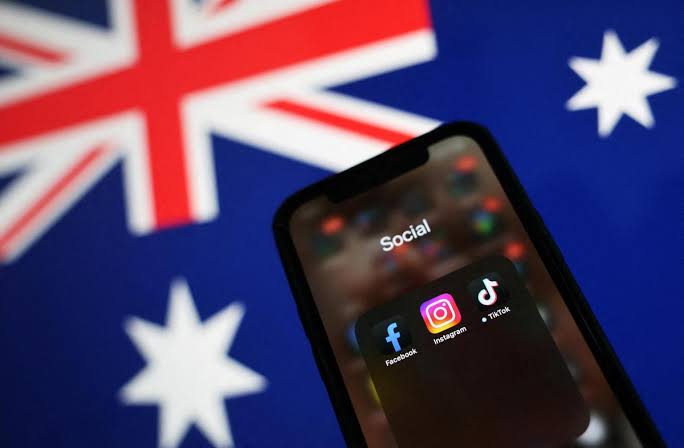
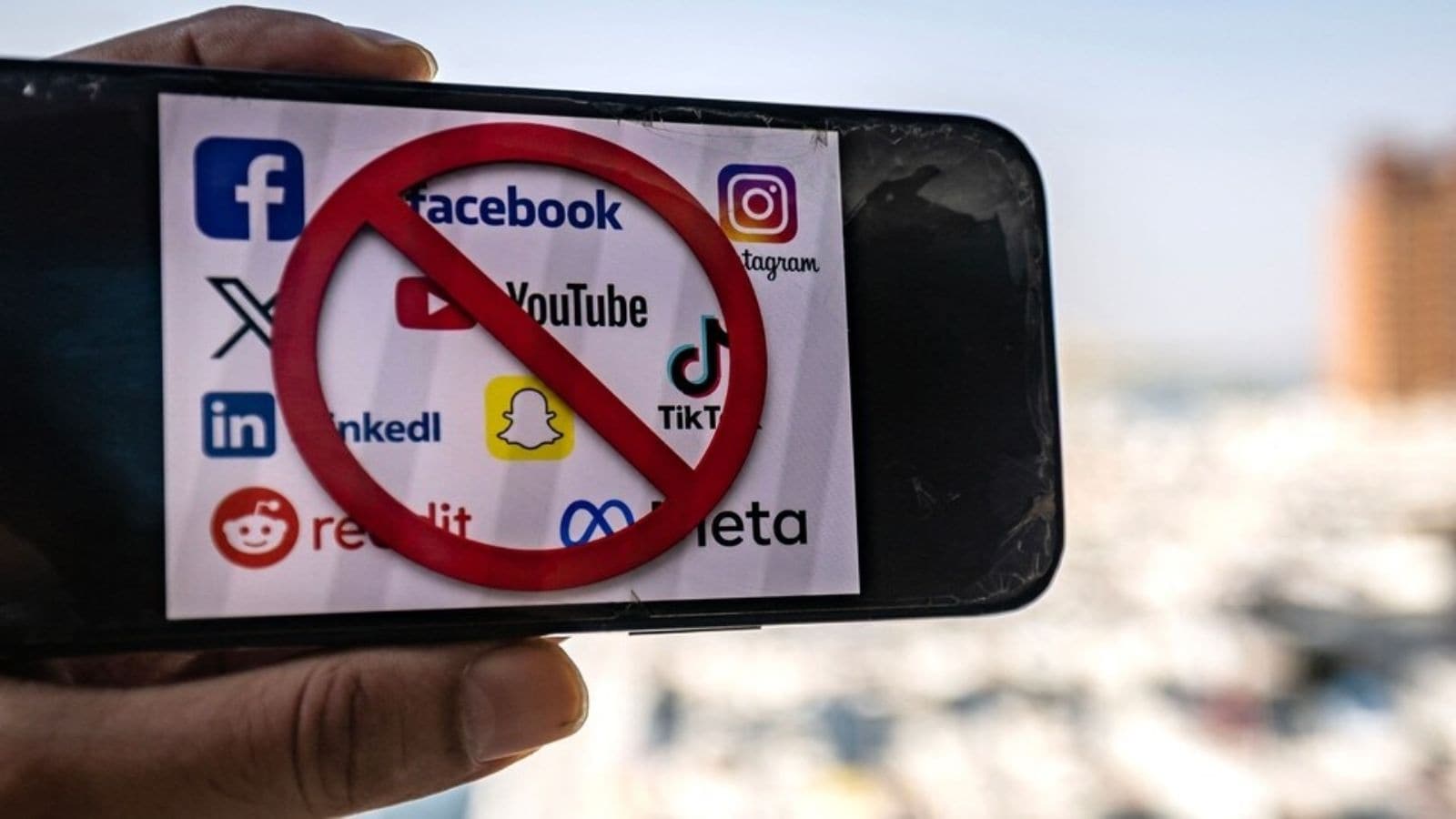
Australia is preparing to take legal action against Facebook, Instagram, TikTok, Snapchat and YouTube over alleged non-compliance with its nationwide social media ban for children under 16. Communications Minister Anika Wells said the government expects proceedings against the five platforms to move forward as the country’s online safety regulator gathers evidence of potential violations.
Speaking in an interview in Sydney on Monday, Wells said the eSafety Commissioner was using newly expanded investigative powers to prepare a case against the companies before the Federal Court.
The action would mark a significant escalation in Australia’s efforts to enforce its world-first restrictions on social media access for under-16s, placing major technology companies under increased legal scrutiny over their age-verification systems.
Credits: Hindustan Times
eSafety Investigation Finds Gaps in Age Verification
Australia’s eSafety Commissioner began investigating Facebook and Instagram, both owned by Meta Platforms, alongside TikTok, Snapchat and YouTube in March over potential breaches of the legislation.
The law requires covered platforms to take reasonable steps to prevent children under 16 from holding accounts. The policy aims to protect young users from harmful online content and risks associated with social media use.
However, an eSafety report published in July found that most underage users surveyed had been able to retain their existing accounts or create new ones despite the restrictions. The findings pointed to shortcomings in the platforms’ age-checking systems and raised questions about the effectiveness of their compliance measures.
The investigation is examining whether the companies have taken adequate steps to enforce the restrictions. The allegations have not yet been established in court, and the platforms will have an opportunity to respond through the legal process.
Maximum Penalty Increased to A$109.2 Million
Since the ban came into force almost a year ago, the Australian government has strengthened its enforcement framework. It has doubled the maximum penalty for violations to A$109.2 million, equivalent to approximately US$76 million.
The government has also expanded the investigative powers available to eSafety Commissioner Julie Inman Grant. These include the authority to demand documents from social media companies and summon current or former employees to answer questions.
Wells said the additional powers would help the regulator collect the evidence required to pursue the companies in court.
“She’s now using those powers to prepare her case,” the minister said, referring to Inman Grant’s efforts to build the legal proceedings.
The stronger enforcement framework signals that Australia intends to hold technology companies accountable for implementing the law rather than relying solely on voluntary compliance or existing platform policies.
Government Rejects Claims That the Law Is Failing
Wells has repeatedly criticised social media companies for their handling of the restrictions. In an October 15 speech at the National Press Club, she argued that the legislation itself was not the problem.
“The law is not failing — platforms are failing to comply with the law,” Wells said, adding that the government would continue pursuing accountability.
Although the eSafety Commissioner operates independently, the regulator is accountable to Australia’s parliament through the communications minister. This arrangement places enforcement within the country’s broader public policy framework while leaving investigations and regulatory decisions to the independent watchdog.
Representatives of Meta, Snap, TikTok’s parent company ByteDance and Google’s YouTube had not immediately responded to requests for comment following Wells’ latest remarks. Meta and eSafety also did not provide immediate comments.

Credits: Reuters
What the Legal Action Could Mean for Big Tech
The anticipated proceedings could become an important test of how effectively Australia can enforce age-based restrictions on social media platforms. A court case would place greater emphasis on whether companies have implemented adequate safeguards, rather than simply having age restrictions written into their policies.
For technology companies, potential penalties and expanded regulatory scrutiny could increase pressure to strengthen age verification and monitoring systems. The case could also influence wider international discussions about children’s online safety and the responsibilities of digital platforms.
However, the outcome will depend on the evidence collected by eSafety and the court’s assessment of whether the companies breached their legal obligations. Australia’s next steps could therefore shape not only the future enforcement of its under-16 ban but also how governments approach platform accountability worldwide.