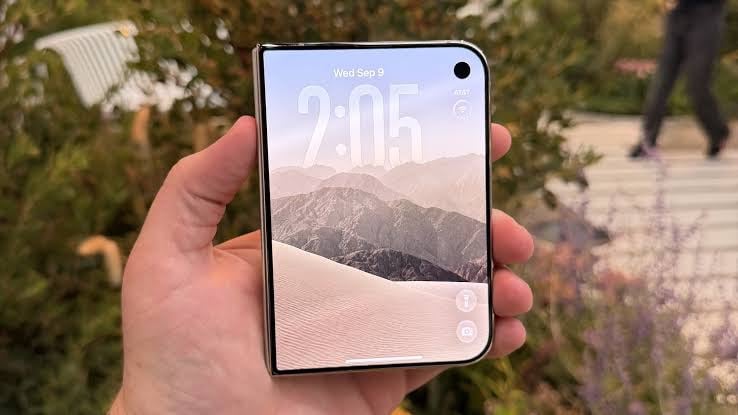
Apple’s iPhone Duo has failed a durability test conducted by popular YouTube channel JerryRigEverything, raising questions about the device’s resistance to dust and its ability to withstand physical stress. Despite carrying an IP68 dust-resistance rating, the device reportedly allowed dust to enter its hinge through several openings, overwhelming the magnets responsible for keeping the phone securely closed.
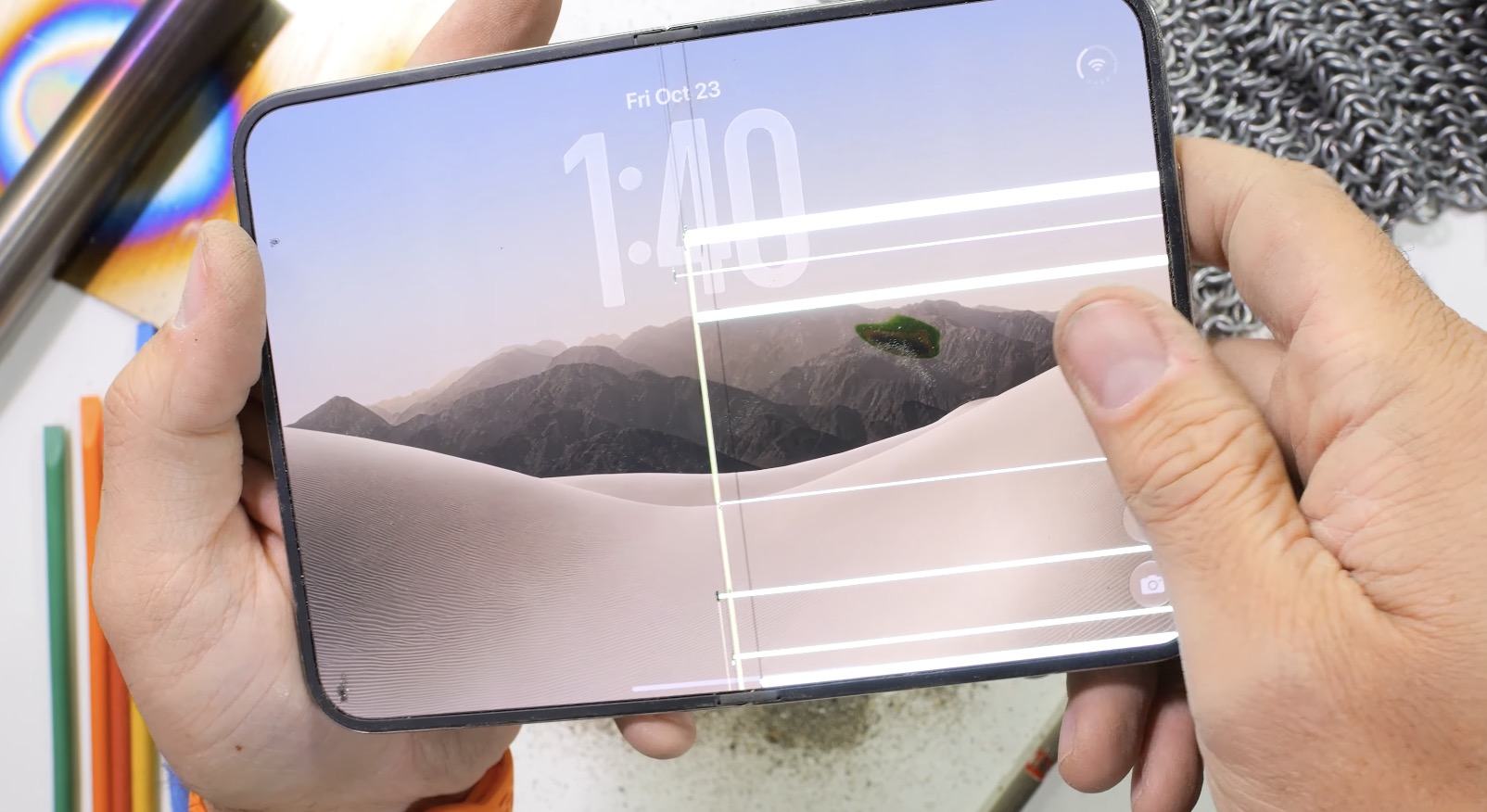
The test also exposed potential weaknesses in the device’s flexible inner display. During a bend test, the screen developed a permanent green line before eventually becoming unresponsive. The results highlight the engineering challenges associated with foldable smartphones, which must balance portability and flexible displays with mechanical reliability and protection against environmental contaminants.
Although durability tests often involve conditions more extreme than everyday use, the iPhone Duo’s performance raises concerns about how well its hinge and display can withstand demanding situations.
Dust Infiltration Affects the Hinge
One of the most significant findings from JerryRigEverything’s test involved the iPhone Duo’s hinge mechanism. Despite its IP68 rating, dust entered the hinge through multiple points, eventually interfering with the magnets designed to hold the device shut.
These magnets play an important role in maintaining the phone’s closed position and helping its two halves remain properly aligned. When dust accumulates around the hinge, it can interfere with moving components and potentially affect the mechanism’s operation.
The incident raises questions about the effectiveness of the device’s dust protection, particularly around components that require space to move freely.
An IP68 rating generally indicates protection against dust ingress and resistance to water immersion under specified laboratory conditions. However, it does not guarantee that every component will remain unaffected under every environmental condition. The rating also does not mean that a device is indestructible or immune to physical damage.
For foldable smartphones, dust protection presents a particular challenge because hinges contain moving parts and narrow gaps. Manufacturers must design these mechanisms to operate smoothly while preventing fine particles from reaching sensitive areas.
The iPhone Duo’s performance suggests that dust management remains an important consideration for foldable device engineering.
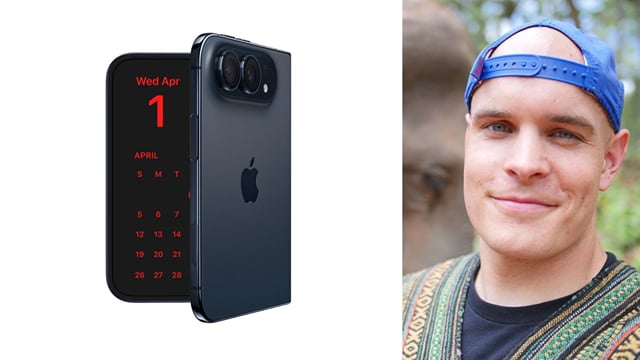
Bend Test Damages the Inner Display
The durability test revealed another significant problem when the iPhone Duo underwent a bend test. Applying physical pressure reportedly caused a permanent green line to appear across the inner display. The screen subsequently became unresponsive, indicating more extensive damage.
Flexible displays are among the most complicated components in foldable smartphones. Unlike conventional smartphone screens, they must withstand repeated folding and unfolding while maintaining consistent image quality and reliable electrical connections.
These displays consist of multiple layers and delicate electronic components that work together to produce images. Excessive pressure or bending can damage the display assembly, potentially resulting in visible lines, flickering, dead pixels or complete screen failure.
The permanent green line observed during the test indicates that the inner display sustained damage. The subsequent loss of responsiveness suggests that the problem extended beyond a minor visual defect.
However, the exact cause of the failure cannot be established from the symptoms alone without further technical examination.
The findings nevertheless demonstrate the potential consequences of applying substantial force to a device with a flexible screen. They also highlight the importance of structural reinforcement and careful component placement in foldable smartphone designs.
Why Foldable Smartphones Face Durability Challenges
Foldable smartphones offer a larger screen in a compact form, allowing users to switch between a portable phone and an expanded display. This versatility has made foldable designs an important area of development in the smartphone industry.
However, the technology introduces additional mechanical and structural challenges. Manufacturers must ensure that the hinge continues functioning correctly, the display withstands repeated movement and internal components remain protected against dust and accidental pressure.
Traditional smartphones generally use rigid displays and have fewer moving parts. Foldable devices must accommodate mechanical movement without compromising the integrity of their flexible screens.
The hinge is particularly important because it experiences repeated movement throughout the device’s lifetime. Dust entering this mechanism can potentially affect its performance, while excessive pressure may damage the hinge or surrounding components.
Flexible displays also require a careful balance between flexibility and strength. Making them more rigid could interfere with folding, while prioritising flexibility without sufficient reinforcement could leave them vulnerable to certain types of damage.
The iPhone Duo’s test results highlight the difficulty of addressing these competing requirements within a compact device.
What the Results Mean for Consumers
The test may encourage prospective buyers to consider durability alongside design, portability and display quality when evaluating foldable smartphones.
People who frequently use their phones in dusty environments should pay particular attention to the manufacturer’s cleaning instructions and recommendations for protecting moving components. Avoiding unnecessary pressure on the device, especially when it is unfolded, can also help reduce the risk of accidental damage.
However, the results should be interpreted carefully. JerryRigEverything deliberately subjects devices to physical challenges intended to identify their limits. Such tests do not necessarily reflect the conditions encountered during normal smartphone use.
Consequently, the failure does not establish that every iPhone Duo will experience similar problems. Real-world durability depends on factors such as handling, environmental exposure and the severity of physical stress.
Consumers should also distinguish between resistance ratings and guarantees against damage. An IP68 rating provides information about protection under specified conditions, but it does not mean that every component is protected against all possible forms of contamination or physical force.
The test nevertheless raises questions about the device’s ability to withstand certain demanding conditions.
Conclusion
The iPhone Duo’s failure in JerryRigEverything’s durability test has highlighted potential weaknesses in its hinge protection and flexible inner display. Dust reportedly entered the hinge despite the device’s IP68 rating, while the bend test left a permanent green line across the inner screen before it became unresponsive.
Although the results do not necessarily predict how the device will perform during everyday use, they demonstrate the engineering challenges associated with foldable smartphones.
As manufacturers continue developing flexible devices, improving hinge protection, structural integrity and display resilience will remain essential. The iPhone Duo’s performance serves as a reminder that advanced features and innovative designs must be supported by dependable durability.