

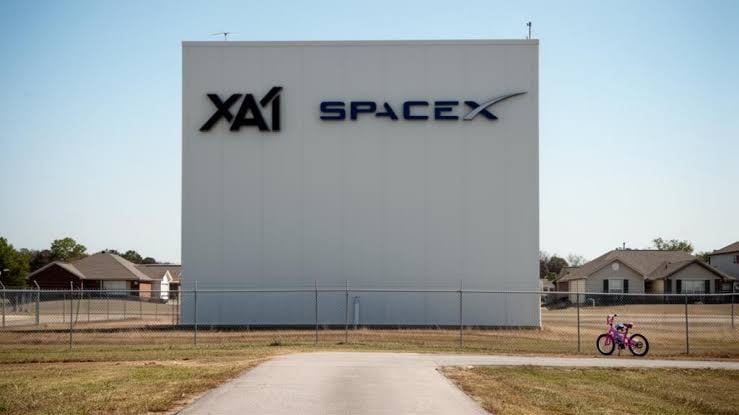
Elon Musk’s artificial intelligence company xAI is reportedly offering to purchase homes in a Mississippi neighborhood, with agreements requiring residents to waive certain legal claims related to noise. The company’s subsidiary, MZX Tech, has purchased at least five homes in the Colonial Hills neighborhood since October, amid an ongoing legal dispute over noise associated with nearby industrial operations.
The reported deals have raised questions about residents’ legal rights, property values and the impact of expanding artificial intelligence infrastructure on surrounding communities. While the purchases could offer homeowners an opportunity to relocate, the requirement to waive claims connected to an active lawsuit has added another dimension to the dispute.
The development highlights the growing challenges technology companies face as they expand the infrastructure needed to develop and operate advanced AI systems.
xAI Subsidiary Purchases Homes in Colonial Hills
MZX Tech, a subsidiary associated with xAI, has reportedly purchased at least five properties in Colonial Hills since October. The transactions come as residents raise concerns about noise from nearby industrial facilities.
According to the reported terms, homeowners selling their properties must agree to waive certain claims associated with an ongoing noise lawsuit. Such provisions could help limit future legal disputes involving the properties, although the precise consequences would depend on the wording of each agreement and applicable law.
For residents experiencing persistent noise, selling their homes could provide an opportunity to move elsewhere. However, the legal conditions attached to the transactions may complicate the decision, particularly for homeowners who are already involved in litigation.
The purchases could also affect the neighborhood’s future if additional residents accept similar offers. As more properties change ownership, the relationship between the industrial facilities and the surrounding residential community could evolve significantly.
The terms of the agreements, including the scope of the legal waivers and the compensation offered, remain important considerations for homeowners evaluating whether to sell.

Noise Complaints Highlight AI Infrastructure Challenges
The reported dispute underscores a growing challenge for companies building large-scale computing facilities to support artificial intelligence.
Modern data centers require extensive cooling equipment, powerful electrical systems and backup generators to maintain reliable operations. Servers generate substantial heat during intensive computing tasks, making continuous cooling essential. Fans, ventilation systems and other industrial equipment can produce noise that affects nearby residential areas.
When facilities operate around the clock, residents may experience persistent disturbances rather than occasional periods of noise.
Depending on its intensity and duration, industrial noise can interfere with sleep, disrupt conversations and affect the overall comfort of a neighborhood. Residents may consequently seek changes to operating practices, additional noise-control measures or legal remedies.
The Colonial Hills dispute illustrates how the physical infrastructure supporting AI development can create tensions between technology companies and local communities.
As businesses invest in larger computing facilities, the need to address noise, electricity consumption, water use and other environmental concerns is becoming increasingly important.
Legal Waivers Raise Questions for Homeowners
The requirement that homeowners waive certain claims connected to an active noise lawsuit is a central element of the reported transactions.
Legal waivers can restrict a person’s ability to pursue specific claims, depending on the agreement’s language and the applicable legal framework. When such provisions are included in property sales, homeowners must consider not only the financial terms but also the rights they may be surrendering.
For residents already involved in litigation, accepting a purchase offer could have implications for their individual claims. The precise effect would depend on the agreement and the circumstances of the case.
Homeowners may also need to understand whether the waivers cover past complaints, future claims or other issues associated with the property’s location. These distinctions can significantly affect the value of the agreement from a legal perspective.
Independent legal advice can help residents understand the consequences before signing documents that affect their rights.
The reported transactions also raise broader questions about how companies and communities negotiate when industrial operations become a source of conflict. Purchasing nearby homes may provide a practical solution for some residents, but it does not necessarily address the underlying causes of noise.
Why AI Companies Need More Computing Infrastructure
xAI has been expanding its computing capabilities to support the development and operation of advanced artificial intelligence systems, including its Grok chatbot.
Training sophisticated AI models requires large clusters of specialized processors capable of handling enormous volumes of computation. Operating these systems also demands substantial electricity, reliable cooling and infrastructure designed to maintain continuous performance.
As competition intensifies across the AI industry, companies are investing heavily in computing capacity to develop new models and serve growing numbers of users.
However, these investments can have consequences for communities near industrial facilities. Residents may be concerned about noise, emissions from backup generators, local electricity demand and the broader effects of expanding industrial development.
Companies must therefore balance the operational requirements of their computing infrastructure with local regulations and residents’ expectations.
Acquiring nearby properties is one possible way to address conflicts involving residential areas. Nevertheless, such purchases can be expensive and may raise concerns if sellers are required to relinquish legal claims as a condition of the transaction.

What the Deals Mean for Colonial Hills
The reported purchases could reshape the relationship between xAI’s infrastructure operations and the Colonial Hills community.
For homeowners seeking to relocate, selling their properties may offer a straightforward way to leave an area affected by industrial noise. Others may prefer to remain in their homes and continue pursuing legal remedies or requesting operational changes.
The decision may depend on the purchase price, relocation costs, the strength of individual legal claims and the availability of alternative housing.
The requirement to waive certain claims could be particularly important for residents who believe they have experienced prolonged disruption. Accepting compensation for a property does not necessarily mean that every resident will consider the broader dispute resolved.
The outcome will depend on the terms of the transactions, the number of homeowners who accept offers and the progress of the existing lawsuit.
The situation also highlights a wider challenge for the AI industry as its physical infrastructure expands into areas near established residential communities.
Ultimately, xAI’s reported home purchases demonstrate how the rapid growth of artificial intelligence can create disputes extending beyond technology and computing. For Colonial Hills residents, the offers present a difficult choice involving property ownership, financial security and legal rights. For technology companies, the situation underscores the importance of addressing community concerns as they build the infrastructure needed to power the next generation of AI systems.