OpenAI CEO Sam Altman has questioned the efficiency of running artificial intelligence (AI) models locally on personal computers, arguing that having millions of users store large amounts of memory in their desktops and laptops is a poor use of the world’s limited DRAM supply. His comments have reignited debate over the future of local AI, hardware ownership, and the growing dependence on cloud-based AI services.
Speaking during an interview with YouTube channel Cheeky Pint, over beers, Altman discussed the growing interest in open-source AI models and the possibility of users running increasingly powerful models on their own computers. However, he expressed reservations about the approach, particularly at a time when memory resources are under pressure from expanding AI infrastructure.

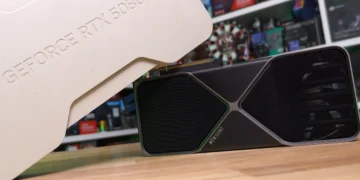
Credits: Tom’s Hardware
Sam Altman questions the efficiency of local AI inference
At around the 29-minute mark of the interview, Altman challenged the assumption that consumers should increasingly run AI models on hardware they own.
“From a global allocation perspective, actually, it’s quite terrible to have everybody have a bunch of the world’s limited supply of DRAM sitting in their own computer and being used 5% of the time,” Altman said.
He argued that concentrating memory resources in cloud infrastructure would allow them to achieve significantly higher utilisation. Rather than having millions of individual computers equipped with large amounts of RAM that remain largely idle, Altman believes memory could be allocated dynamically across centralised data centres.
His argument reflects a broader infrastructure challenge facing the AI industry. Modern AI models require substantial amounts of high-bandwidth memory and conventional DRAM to support training, inference, and increasingly complex workloads. With technology companies investing billions in AI infrastructure, competition for memory supplies has become an important industry concern.
OpenAI’s cloud-first business model faces questions
Altman’s comments are particularly interesting given OpenAI’s business model. While the company has released open-weight models, much of its commercial offering revolves around proprietary AI systems accessed through cloud-based services.
A greater shift towards local inference could eventually challenge this model. If consumers can run increasingly capable AI models directly on their desktops and laptops, they may have less reason to pay recurring subscriptions for cloud-based services.
Local inference also offers advantages beyond cost. Users can retain greater control over their data, operate certain AI applications without an internet connection, and avoid depending entirely on external servers. However, running larger models locally requires powerful processors, substantial RAM, and, in many cases, dedicated graphics hardware.
Consequently, Altman’s preference for centralised computing has raised questions about whether the industry’s infrastructure priorities align with consumer interests.
The debate over who should own computing resources
Altman’s argument assumes that cloud data centres will continue expanding and that centralised infrastructure will deliver better overall utilisation of increasingly scarce memory resources.
However, memory sitting idle in a personal computer is not necessarily wasted. The same RAM supports everyday activities such as gaming, video editing, spreadsheets, web browsing, and software development. It can also be used for local AI workloads whenever required.
Moreover, centralising computing resources introduces its own challenges, including electricity consumption, cooling requirements, network latency, data privacy concerns, and dependence on service providers.
For PC enthusiasts, the concern extends beyond memory allocation. The growing popularity of cloud-based AI services raises the possibility of a future where consumers increasingly rent computing power and intelligent agents instead of owning hardware capable of running their preferred software independently.
OpenAI is unlikely to face an immediate threat from gaming PCs and consumer desktops. However, as open-source models become more capable and hardware improves, local inference could become a more attractive alternative.
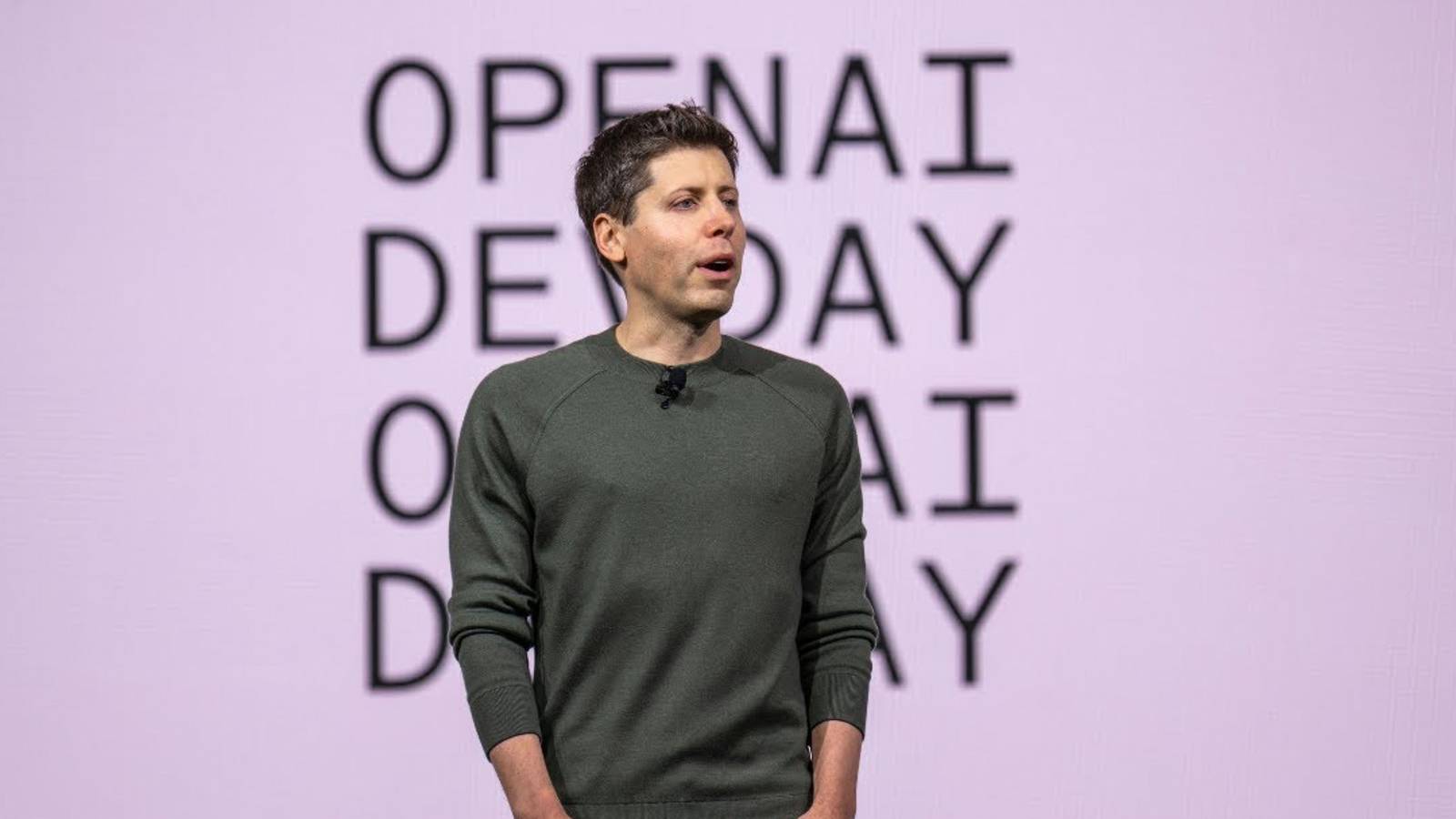
Credits: XDA Developers
Altman discusses more than just AI infrastructure
The Cheeky Pint interview also covered several other topics, including recently discovered PHP vulnerabilities, sandboxing AI models during training, and OpenAI’s research into mathematics.
Nevertheless, his comments about DRAM highlight a fundamental disagreement over how the next generation of AI infrastructure should be organised. While companies such as OpenAI favour large-scale cloud deployments, enthusiasts increasingly see local AI as an opportunity to regain control over computing resources.
Ultimately, the debate is not simply about where RAM should be installed. It is about whether the future of AI computing will be built around individually owned machines or centrally managed infrastructure accessed through subscriptions.