SpaceX is planning investments exceeding $74 billion in large-scale data-centre infrastructure across Texas and Arizona, marking a significant expansion of its ambitions in artificial intelligence (AI), advanced computing and technology infrastructure. The proposed developments include approximately $24 billion in the Rio Grande Valley in Texas and another $50 billion for a supercomputing campus in Cochise County, Arizona.
The projects reflect the growing importance of computing infrastructure as technology companies compete to develop increasingly powerful artificial intelligence systems. Traditionally known for its rockets, reusable spacecraft and Starlink satellite internet services, SpaceX is now looking to strengthen its presence in the rapidly expanding AI industry.
The proposed investments could also make the company a major player in the development of large-scale computing facilities in the United States. However, both projects will require substantial infrastructure development, regulatory approvals and cooperation with local authorities.
Texas Project to Receive $24 Billion Investment
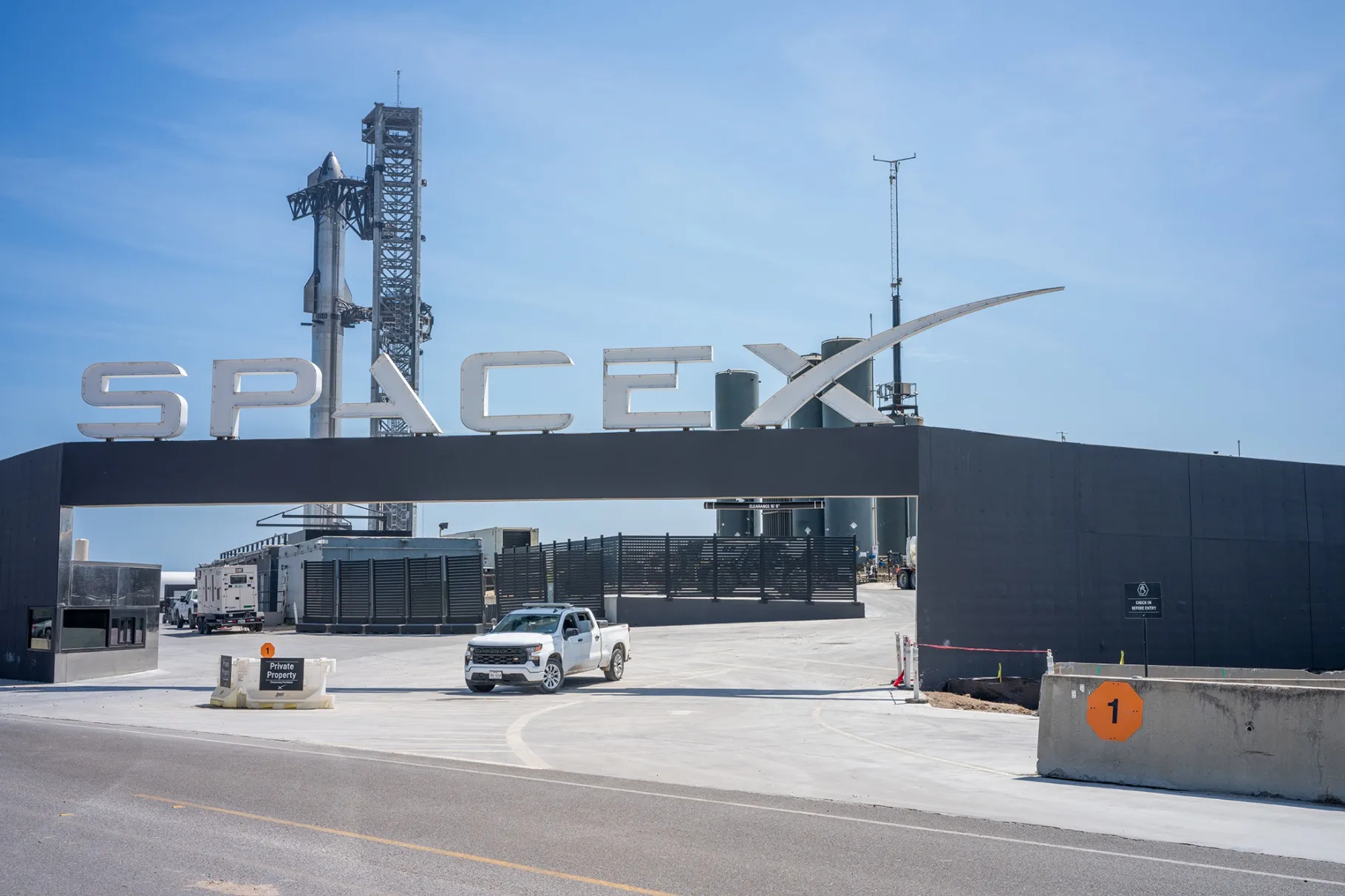
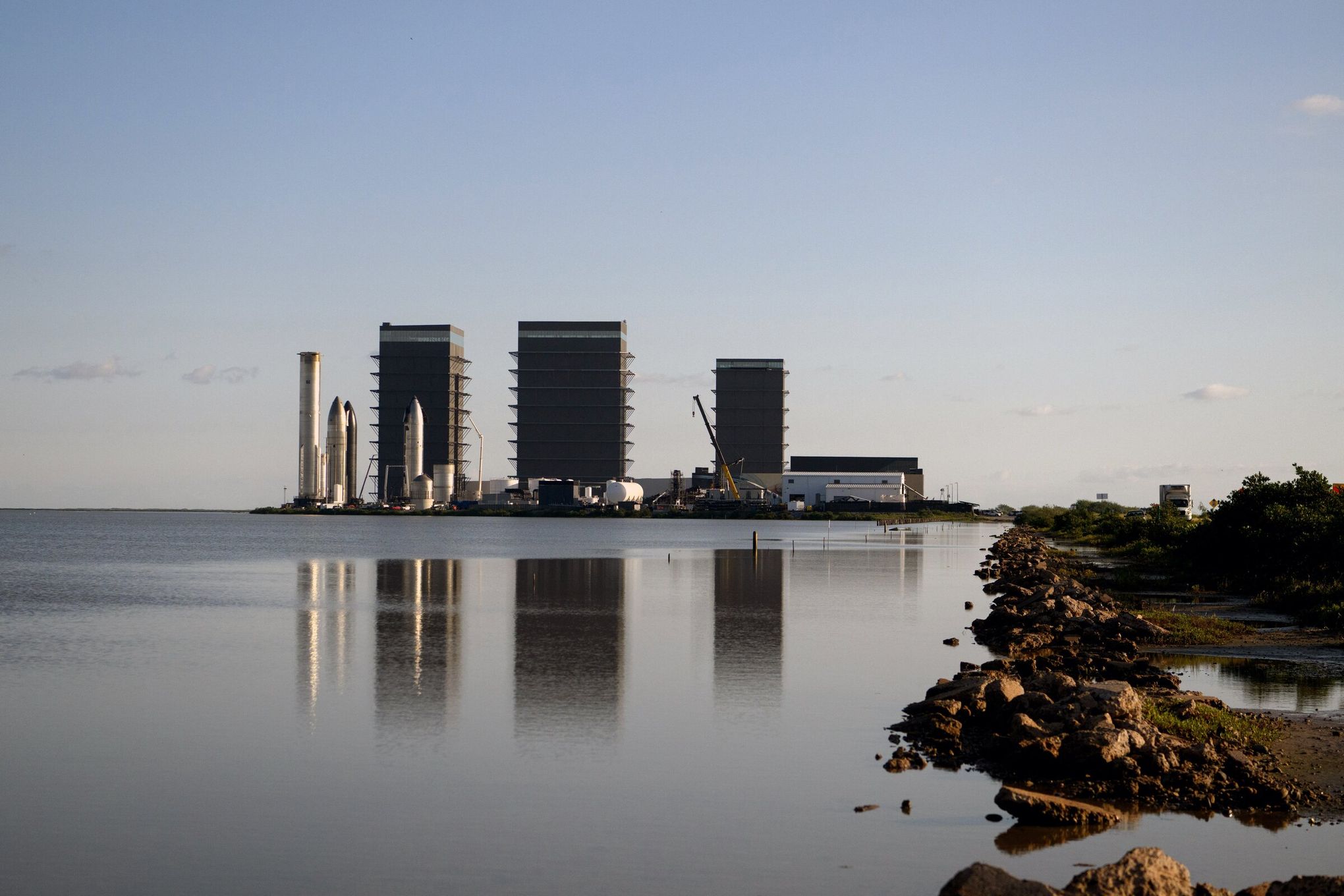
SpaceX plans to invest approximately $24 billion in a major data-centre development in the Rio Grande Valley, near Brownsville, Texas. The project will be located around the company’s Starbase facility and is expected to support advanced computing operations and artificial intelligence research.
The proposed facility is intended to provide the computing capacity required to train sophisticated AI models and support the development of next-generation technologies. It could also play a role in testing systems that may eventually support data centres operating in space.
One of the project’s most significant features is its proposed independent electricity supply. Large data centres require enormous amounts of electricity to operate servers, cooling systems and computing equipment. To address this requirement, SpaceX is planning dedicated power infrastructure, including a natural-gas-powered electricity facility.
The company has indicated that the Texas development has already generated more than 3,000 construction jobs and could support over 500 permanent positions once operational.
SpaceX has also highlighted its commitment to improving local infrastructure. The company has reportedly allocated approximately $220 million towards expanding water supply and wastewater infrastructure in Brownsville and Cameron County. These improvements are expected to add around 20 million gallons of water capacity per day, supporting the region’s growing infrastructure requirements.
The investment is expected to contribute to economic activity in the Rio Grande Valley while strengthening the region’s position as an emerging centre for advanced technology development.
Arizona Campus Could Create Thousands of Jobs
SpaceX’s second proposed development is considerably larger, with an estimated investment of $50 billion in Cochise County, southeastern Arizona.
The planned supercomputing campus is expected to become a major computing facility supporting artificial intelligence and other advanced technological applications. The development could create approximately 5,500 construction jobs and around 1,000 permanent positions.
However, the Arizona project is still awaiting local approval before construction can proceed.
Electricity availability is expected to be one of the most important considerations for the development. Large AI data centres require a continuous and reliable power supply, making energy infrastructure a critical component of their operations.
SpaceX has indicated that it is working with local electric cooperatives to establish an electricity arrangement that can support the proposed campus while benefiting surrounding communities.
The company has also suggested that the development could help reduce electricity bills for members of local electric cooperatives by up to 20%.
Water consumption is another major consideration, particularly because Arizona experiences significant water scarcity. To address concerns about the project’s environmental impact, SpaceX has proposed using dry-cooling technology, which reduces dependence on conventional water-intensive cooling systems.
The company has also stated that it does not intend to use groundwater for industrial purposes at the proposed facility.
Despite these assurances, the project has encountered opposition from some local residents concerned about its potential effects on the environment, electricity infrastructure and surrounding communities. A petition opposing the development has reportedly attracted approximately 2,400 signatures.
Growing Concerns Over Data-Centre Expansion
SpaceX’s investment plans come at a time when large-scale data-centre developments are facing increasing scrutiny across the United States.
Artificial intelligence companies are investing billions of dollars in computing infrastructure to support increasingly complex AI models. However, these facilities require substantial electricity, cooling systems, water resources and land.
Local communities have raised concerns about whether existing infrastructure can accommodate the growing demand without affecting household electricity bills and essential resources.
Texas has emerged as an important destination for data-centre investments because of its available land, energy infrastructure and business environment. However, the rapid expansion of the sector has also created political debate about its long-term environmental and economic consequences.
Texas Governor-elect Gina Hinojosa has expressed concerns about the expansion of data centres and called for greater scrutiny of their resource consumption and impact on local communities.
The proposed SpaceX developments will therefore need to address not only technological and financial requirements but also questions surrounding environmental sustainability and public infrastructure.
Both projects are expected to face important local decisions on December 9, 2026. Cochise County officials are scheduled to consider the Arizona development proposal, while the Starbase City Commission is expected to discuss a property-tax agreement connected to the Texas project.
These decisions could influence the projects’ timelines and financial arrangements.
SpaceX’s Expanding Role in the AI Industry
The planned investments represent a broader shift in SpaceX’s business ambitions as artificial intelligence becomes increasingly important to the global technology industry.
The company has traditionally focused on space transportation, satellite communications and developing technologies that could support future space exploration. Its proposed data-centre investments suggest an effort to build capabilities beyond its established aerospace operations.
Developing proprietary computing infrastructure could provide SpaceX with greater control over the resources required to train and operate advanced AI systems. It could also support research into technologies that combine artificial intelligence, satellite communications and space-based computing.
The company’s proposed developments come amid growing competition among technology companies to secure computing capacity. Access to advanced processors, reliable electricity and large-scale data centres has become a major competitive advantage in the AI industry.
If both projects receive approval and are completed, SpaceX’s combined investment of more than $74 billion would represent a major commitment to America’s expanding AI infrastructure sector.
However, the success of the developments will depend on regulatory approvals, local cooperation, energy availability and the company’s ability to address environmental concerns.
The proposed campuses could create thousands of jobs and attract further technology investments to Texas and Arizona. At the same time, they will test whether large-scale AI infrastructure can expand while balancing the needs of local communities.
SpaceX’s plans underline how the artificial intelligence boom is reshaping investment priorities across industries, bringing aerospace companies, technology developers and energy providers into an increasingly interconnected race to build the computing infrastructure of the future.