Mumbai’s civic body has hit a new financial milestone. The Brihanmumbai Municipal Corporation (BMC) recorded its highest-ever property tax collection, reaching ₹7,610.90 crore in FY 2025–26. At a time when cities are grappling with rising expenditure and tighter budgets, this achievement underscores the growing importance of stable, predictable revenue streams.
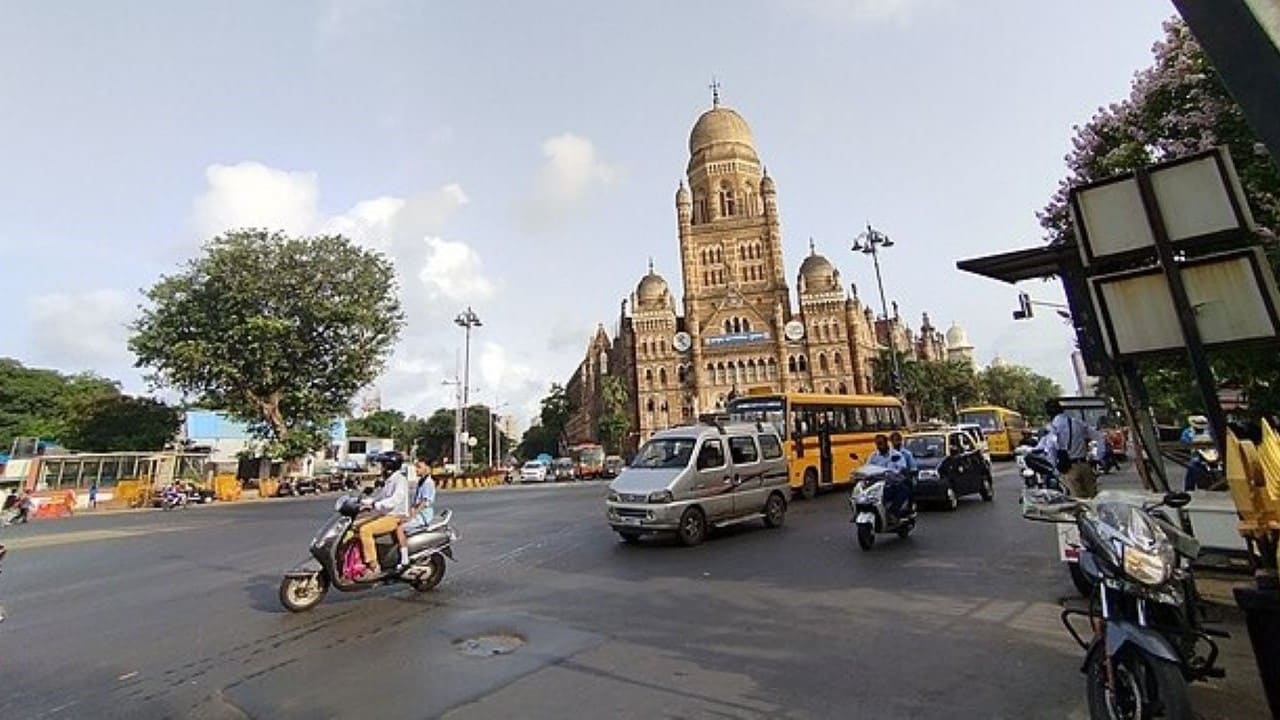
Credits: CNBC TV18
Beating Targets, Building Momentum
The numbers tell a compelling story. The BMC didn’t just meet expectations—it exceeded them. Against a revised target of ₹7,341 crore, the civic body achieved over 103.68% of its goal.
This overperformance reflects sustained effort throughout the year. Even as administrative attention briefly shifted toward municipal general elections, the Assessment and Collection Department maintained steady recovery. Month after month, collections held firm, signaling a disciplined and consistent approach rather than a last-minute scramble.
March 31 Surge: A Record-Breaking Finish
The financial year ended on a dramatic note. On March 31 alone, the BMC collected ₹399.74 crore, marking the highest single-day property tax collection in its history.
This surge was not just about base tax payments. Penalties contributed a significant ₹301.13 crore, adding an extra layer to the revenue pool. The spike highlights a familiar pattern in tax systems—compliance tends to accelerate as deadlines approach, especially when enforcement measures are visible.
Ward-Level Leaders: Where the Money Came From
A closer look at ward-wise performance reveals where the momentum was strongest:
- K East Ward led the pack with ₹719.23 crore
- G South Ward followed at ₹670.64 crore
- K West Ward contributed ₹622.16 crore
- H East Ward brought in ₹577.78 crore
- H West Ward wasn’t far behind at ₹536.55 crore
These wards, largely located in high-density and commercially active zones, continue to anchor Mumbai’s property tax base.
Western Suburbs Take the Lead
Zone-wise data paints an even clearer picture. The western suburbs dominated collections, contributing ₹3,721.33 crore—nearly half the total.
- The city region added ₹2,102.60 crore, led by G South
- The eastern suburbs contributed ₹1,457.41 crore, with S Ward driving growth
The dominance of the western suburbs reflects ongoing urban expansion, higher property values, and stronger compliance in these areas.
Strategy Meets Accessibility: Driving Compliance
Behind the numbers lies a mix of administrative strategy and improved accessibility.
The BMC kept citizen facilitation centres open on weekends and holidays, ensuring taxpayers had ample opportunity to clear dues. At the same time, digital payment systems were expanded, making the process faster and more convenient.
But convenience alone didn’t drive results. The civic body also took a firm stance on defaulters. Targeted drives identified large pending dues, and authorities initiated property seizures and auction proceedings.
This dual approach—ease of payment combined with strict enforcement—proved effective. As one senior official noted, once seizures began, many property owners moved quickly to settle their dues, creating a ripple effect across the system.
Leadership and Execution at the Core
Strong oversight played a crucial role in sustaining momentum. The effort was guided by Additional Municipal Commissioner (City) Dr Ashwini Joshi, along with Joint Commissioner Vishwas Shankarwar and Assessor and Collector Gajanan Bellale.
Municipal Commissioner Ashwini Bhide credited the achievement to focused execution and careful planning, highlighting how coordination across departments ensured consistent performance throughout the year.
Why Property Tax Still Matters Most
Despite evolving revenue streams, property tax remains the backbone of Mumbai’s civic finances. It funds essential services such as infrastructure development, sanitation, healthcare, and public amenities.
This year’s record collection reinforces its importance. In an environment where cities face rising costs—from urban infrastructure to climate resilience—reliable revenue sources are critical.
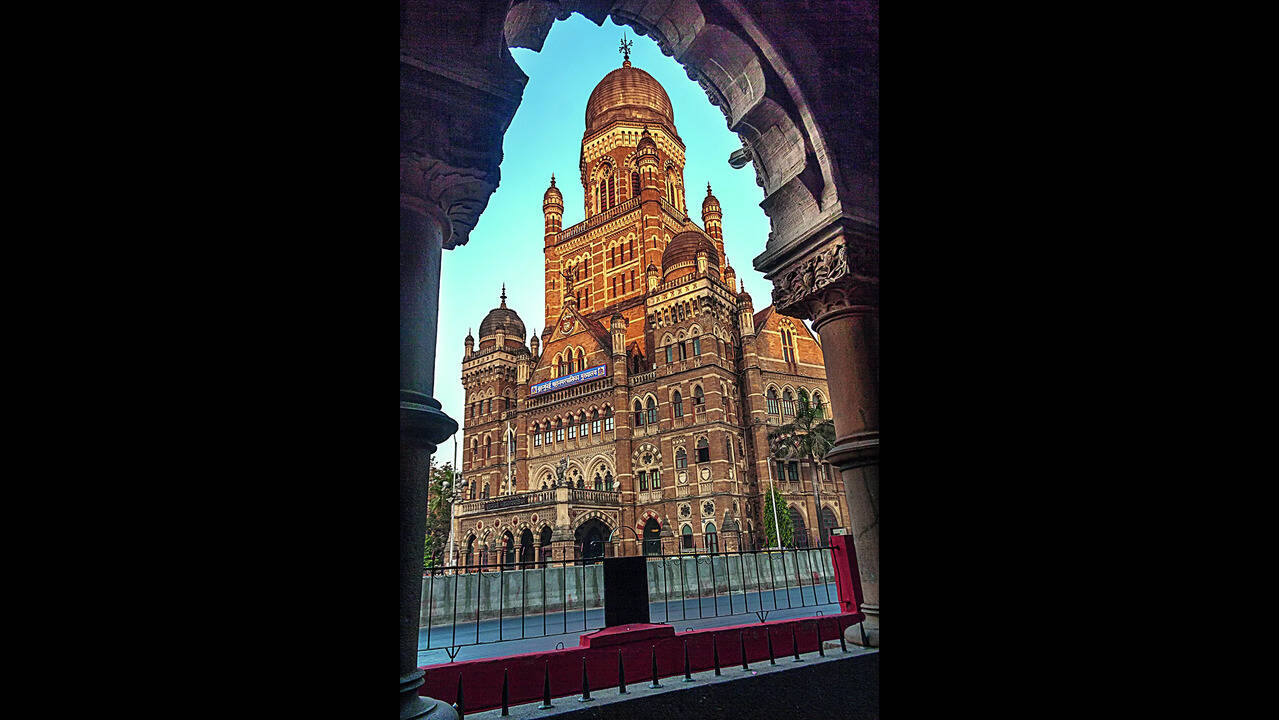
Credits: The Times of India
The Road Ahead
With the benchmark now raised, expectations for the coming year will be higher. Sustaining or surpassing this performance will depend on maintaining the same balance: strong compliance, robust systems, and consistent follow-through.
For now, the BMC has demonstrated that with the right mix of enforcement and accessibility, even legacy revenue systems like property tax can deliver record-breaking results.