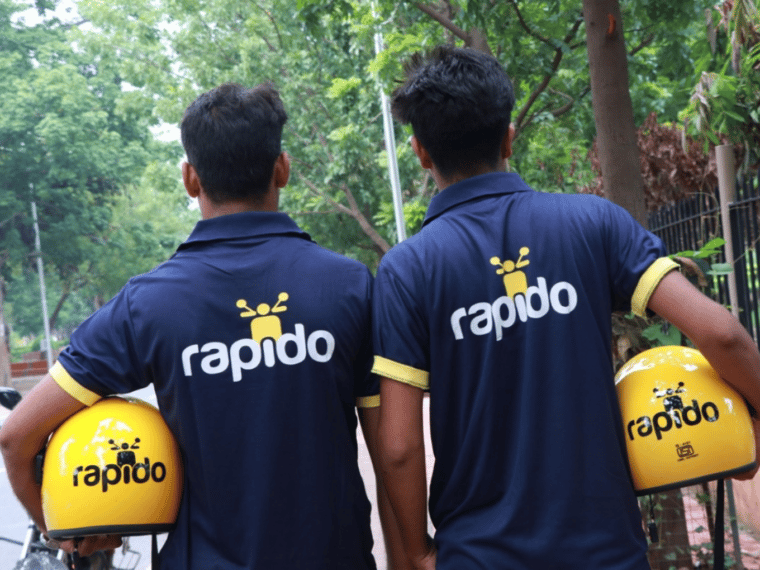
As competition in India’s food and quick commerce sectors intensifies, Swiggy is taking a hard look at its investment strategy. One of the most significant recent developments is Swiggy’s intent to re-evaluate its stake in Rapido, a bike-taxi and logistics startup that has now entered the food delivery space—Swiggy’s primary domain. This move signals both growing friction and Swiggy’s renewed focus on core growth segments.

Credits: NDTV Profit
A Strategic Investment Gone Awry?
Swiggy’s Chief Financial Officer, Rahul Bothra, confirmed in a recent conversation with NDTV Profit that the company is seriously considering exiting its investment in Rapido.
“Our investment was more strategic in nature. We wanted to see if we could get certain benefits on the delivery side. We did a few experiments, but it was not working in the synergy we were expecting,” said Bothra.
Swiggy had originally invested in Rapido to leverage its extensive bike fleet for hyperlocal deliveries. However, the strategic synergy began to unravel when Rapido launched its own food delivery service, effectively stepping into Swiggy’s territory. This conflict of interest now threatens the very basis of their partnership.
Bothra also noted that there has been significant interest from potential buyers, and a final decision on divesting the stake will be made soon.
Rapido’s Entry into Food Delivery: A Red Flag
Rapido’s decision to enter food delivery couldn’t have come at a more delicate time. The market is already a two-horse race between Swiggy and Zomato, both of which are aggressively investing in technology, operations, and customer retention.
Rapido’s entry not only creates direct competition but also potentially raises questions around data, delivery efficiency, and conflict resolution, especially when a competitor has access to insider perspectives—however indirect—through past partnerships.
For Swiggy, staying invested in a competitor now seems strategically unwise.
Financial Performance: Growth with Growing Pains
Swiggy’s Q1 FY25 results presented a mixed but forward-leaning picture. The company reported a 13% sequential growth in consolidated revenue, hitting Rs 4,961 crore, surpassing analyst estimates. However, losses widened to Rs 1,197 crore, compared to Rs 1,081 crore in the previous quarter.
Interestingly, the EBITDA loss narrowed to Rs 954 crore, a sign of improving operational efficiency.
Bothra attributed the higher losses to aggressive marketing in new growth cities, an investment Swiggy believes will pay off in terms of customer acquisition and market expansion.
Quick Commerce: The Crown Jewel in the Making
While food delivery faces stiff competition, Swiggy’s quick commerce vertical—Instamart—is emerging as a bright spot. Bothra emphasized that margins in the segment are expected to turn positive within the next 2–4 quarters.
The high-frequency nature of quick commerce purchases, combined with basket expansion and operational optimization, makes this a lucrative long-term bet.
Swiggy Bolt: Betting Big on Speed
Swiggy is also fine-tuning its 10-minute food delivery service, Bolt. CEO of Swiggy’s food marketplace, Rohit Kapoor, shared that the company is working closely with restaurant partners to reduce preparation time and optimize logistics.
“The economics are also fairly good because the delivery costs are slightly lower,” Kapoor noted.
The service aligns with Swiggy’s larger ambition to deliver convenience without compromising unit economics, especially in high-density urban centers.
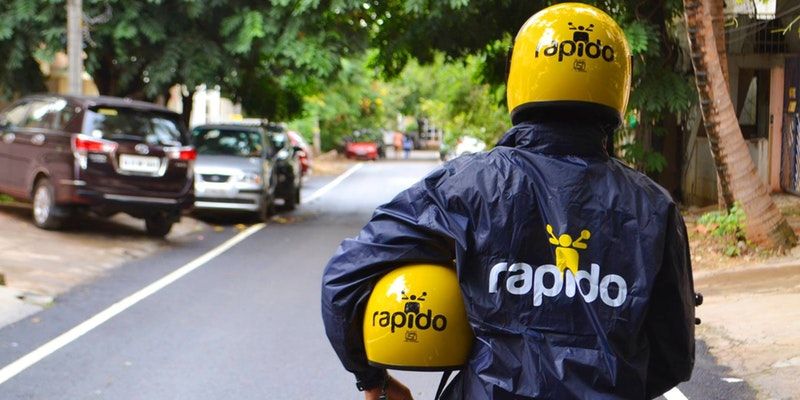
Credits: Medial
The Road Ahead
Swiggy’s potential exit from Rapido isn’t just a financial maneuver—it’s a signal that the company is choosing focus over fragmentation. With the quick commerce race heating up and competition in food delivery becoming fiercer, Swiggy appears ready to double down on what it does best.
Whether it’s Bolt, Instamart, or its core food delivery operations, Swiggy is betting that a leaner, more aligned ecosystem will deliver better results—not just for its balance sheet, but also for its millions of customers.