OpenAI’s newest big language model GPT-5 is getting stern criticism from users who claim it’s a letdown compared to earlier releases. It’s been called “dumb” and “boring” by everyone, and they’ve demanded to know if the company is off track. But CEO Sam Altman is not abandoning his AI vision, even if he is conceding the bumpy start.
Last Thursday, in an unguarded dinner meeting with reporters in San Francisco, Altman made a few astonishing confessions about both his firm’s recent failures and the future of the larger AI industry. The head of OpenAI didn’t mince words about the GPT-5 rollout, telling the dinner attendees his team, “totally screwed up some things.”
However, Altman was quick to point out that despite the public backlash, the numbers tell a different story. “Our API traffic doubled in 48 hours and is growing. We’re out of GPUs. ChatGPT has been hitting a new high of users every day,” he explained.
Altman Acknowledges AI ‘Bubble’ While Planning Trillions in Spending
The CEO also noted that many users appreciate the new model switcher feature, suggesting that while vocal critics dominate social media conversations, actual usage patterns paint a more positive picture.
The executive framed the challenging launch as a learning experience for a company trying to upgrade a product used by hundreds of millions of people overnight. It’s a scale of deployment that few tech companies have ever attempted, and Altman seems to view the bumpy rollout as an inevitable growing pain rather than a fundamental failure.
Perhaps more intriguingly, Altman openly agreed with critics who’ve labeled the AI industry a “bubble.” When asked whether investors are getting overexcited about artificial intelligence, he didn’t hesitate: “My opinion is yes.”
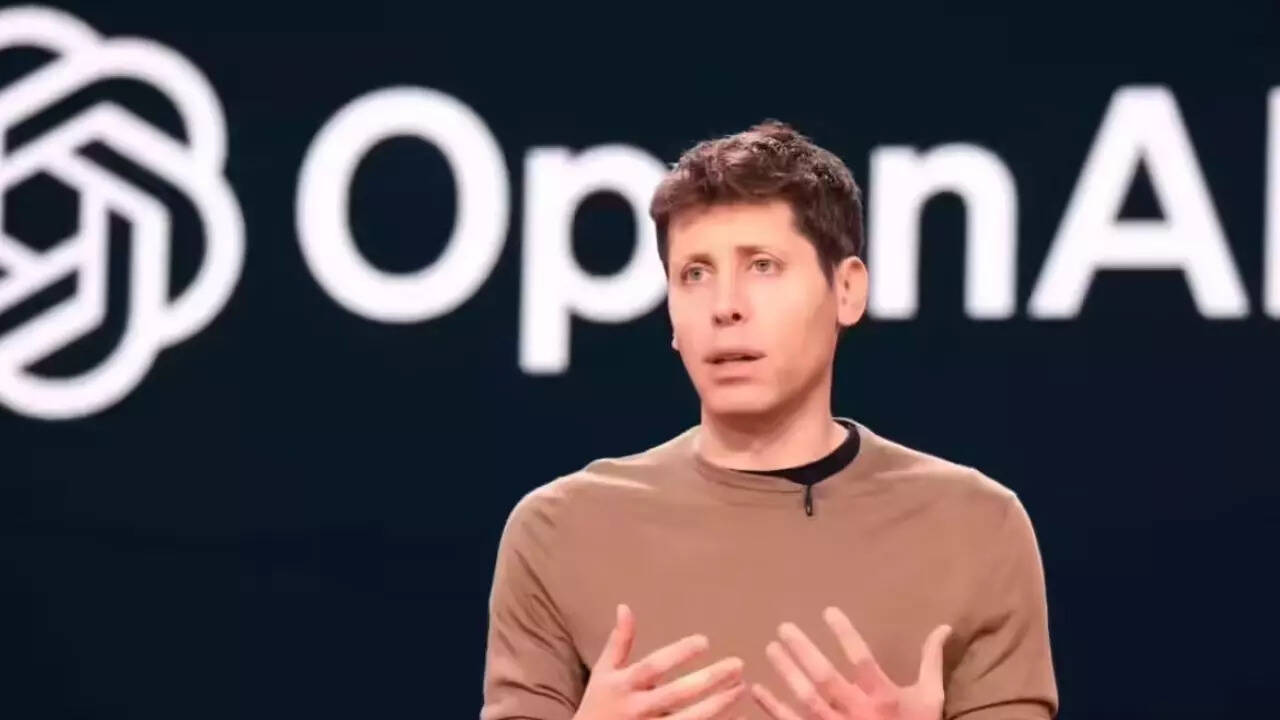
This admission puts Altman in an interesting position. He’s running one of the most valuable AI companies while simultaneously acknowledging that the sector might be experiencing irrational exuberance. He compared the current AI frenzy to historical bubbles like the dot-com boom, noting that “smart people get overexcited about a kernel of truth.” Just like the internet was genuinely transformative despite the bubble that surrounded it, Altman believes AI represents a real technological breakthrough that’s being hyped beyond its current capabilities.
But here’s where things get really wild: despite calling AI a bubble, Altman isn’t pumping the brakes on spending. Instead, he’s planning to floor the accelerator. “You should expect OpenAI to spend trillions of dollars on data center construction in the not very distant future,” he told the assembled reporters.
The Trillion-Dollar Bet of OpenAI: Is AI Worth the Price?
To put that figure in perspective, we’re talking about spending comparable to the GDP of entire nations just on building the infrastructure to power AI systems. This massive investment raises some fundamental questions that rarely get asked in polite company with tech executives.
The core question is simple but profound: is AI actually worth this astronomical investment? We’re potentially looking at trillions of dollars being poured into creating what are essentially sophisticated chatbots that provide accurate information only some of the time. Meanwhile, that same money could address poverty, improve education systems, or tackle climate change.
There’s also the question of necessity versus convenience. Are AI chatbots solving critical societal problems, or are they just a slightly fancier version of search engines? The technology comes with significant downsides too, including massive energy consumption, concerns about reduced critical thinking skills among users, and widespread academic dishonesty.
These cost-benefit analyses seem notably absent from most discussions about AI’s future. While Altman and other tech leaders paint pictures of transformative change, the practical question of whether society is getting good value for this unprecedented investment remains largely unexamined.
As OpenAI prepares to spend more money than most countries’ entire economic output on AI infrastructure, perhaps it’s time for someone to ask the uncomfortable questions about whether we’re building the future we actually need, or just the one that generates the most venture capital excitement.