In a landmark step for India’s gig economy, food delivery giant Zomato has teamed up with HDFC Pension to launch the ‘NPS Platform Workers Model’, a tailor-made National Pension System (NPS) initiative for platform-based delivery partners. The program, officially unveiled on October 1 in New Delhi by Finance Minister Nirmala Sitharaman during NPS Diwas celebrations, promises to bring formal retirement planning to thousands of gig workers who often lack long-term financial security.
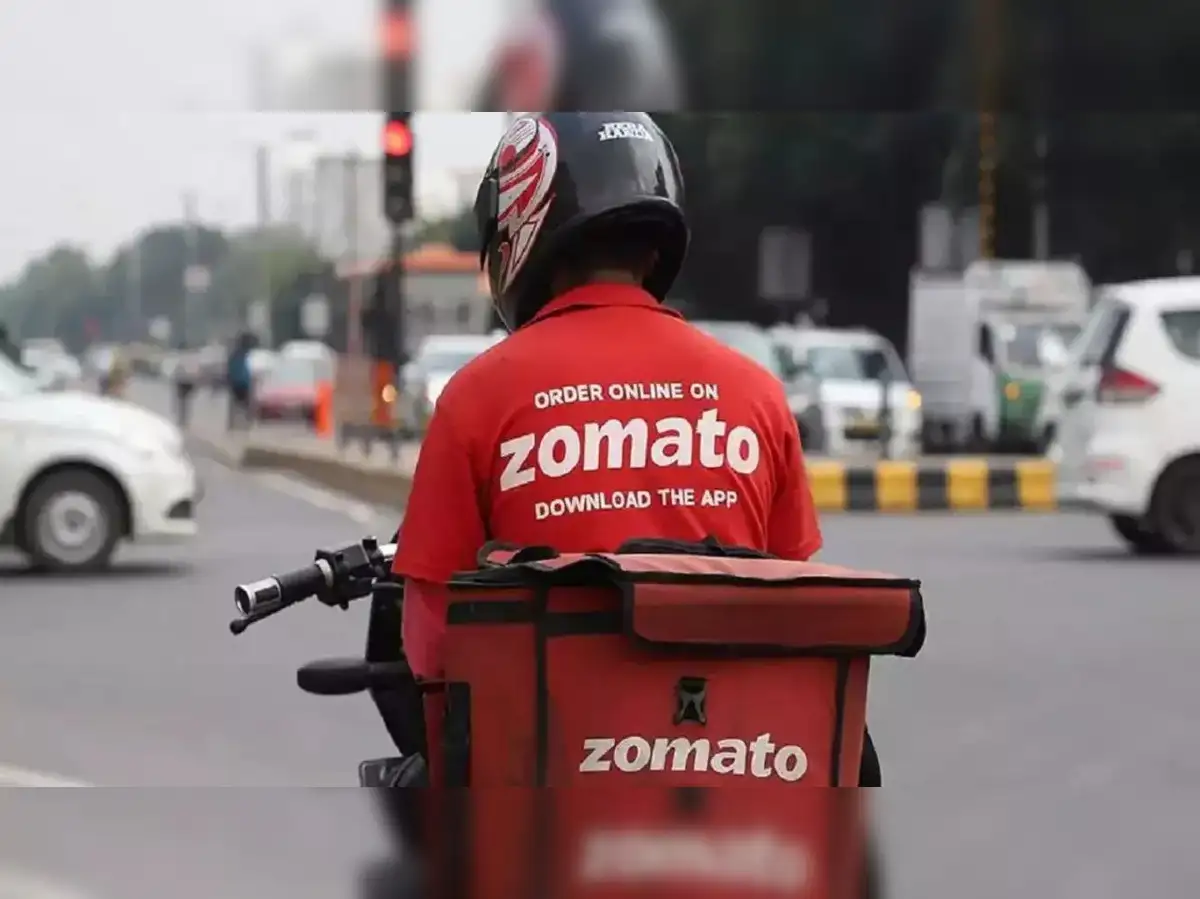
Credits: The Economic Times
Bridging the Gap in Retirement Security
India’s gig economy has been booming, with an estimated 23.5 million platform workers projected by FY2030, according to a NITI Aayog report. Yet, despite their growing importance in the workforce, gig workers remain largely excluded from traditional retirement planning systems. Industry studies reveal that awareness and participation in pension schemes remain abysmally low among this segment.
The NPS Platform Workers Model directly addresses this gap, offering delivery partners a flexible and portable retirement savings framework. Workers can make small, periodic contributions and gradually build a pension corpus. Upon retirement, the accumulated savings can be partially withdrawn as a lump sum, while the rest provides a steady pension.
Fast Adoption from Zomato’s Workforce
The rollout has already witnessed a strong response. Within just 72 hours of launch, over 30,000 delivery partners had generated their Permanent Retirement Account Numbers (PRANs). Zomato now aims to onboard over one lakh partners by the end of 2025, making it one of the largest pension inclusion efforts for gig workers in India.
Onboarding has been streamlined using Kfintech’s digital infrastructure, leveraging workers’ existing KYC or e-KYC details. With digital integration, delivery partners can enroll quickly, with the option to share additional details later.
Leaders Speak: A Commitment to Inclusion
The collaboration has drawn attention from industry leaders for its potential to set a precedent across the gig economy.
Sriram Iyer, Managing Director and CEO of HDFC Pension, emphasized the inclusive intent behind the program:
“This initiative is designed to broaden access to retirement planning among individuals who have historically been excluded from formal financial security schemes.”
Echoing this vision, Zomato CEO Aditya Mangla highlighted the company’s responsibility towards its delivery partners:
“We see this partnership as a way to support the long-term financial wellbeing of our partners, going beyond short-term benefits to provide them with real retirement security.”
Beyond Pensions: Zomato’s Growing Safety Net
Zomato has steadily been expanding its suite of welfare initiatives for its delivery workforce. Currently, partners receive health insurance, accident cover, SOS assistance, and access to rest points—all at no additional cost. The introduction of the NPS model builds on this foundation, underscoring Zomato’s evolving focus on long-term social security for gig workers.
With an average of 5.09 lakh independent monthly active delivery partners in Q1 FY26, the company’s efforts have the potential to significantly influence the welfare landscape for India’s platform workers.
The Road Ahead
The portability of NPS accounts is particularly crucial for gig workers, who frequently move between roles or platforms. This means that once enrolled, workers can continue to contribute to and retain their pension accounts, regardless of their employment changes.
By combining digital-first integration, low entry barriers, and flexible contributions, the initiative could become a blueprint for other gig-economy players in India. If adopted widely, it could help transform the financial security landscape for millions of workers in the informal sector.

Credits: CNBC TV 18
A Turning Point for Gig Worker Welfare
The launch of the NPS Platform Workers Model marks a turning point in how India addresses financial inclusion for gig workers. By enabling retirement planning for delivery partners, Zomato and HDFC Pension are not only filling a crucial gap but also setting a new benchmark for corporate responsibility in the platform economy.
As gig work continues to rise, such initiatives could pave the way for a more secure and dignified future for India’s millions of platform-based workers.