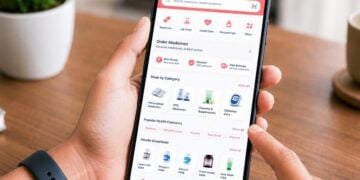
You might have safety concerns when you consider whether to buy medicines online. With several e-pharmacies now operating across the country, understanding how these platforms work allows users to navigate the space more confidently.
This article summarises the safety aspects of online medicine purchasing. You will learn about verification processes, quality standards, and practical guidelines for choosing reliable platforms.
Why are people asking if it’s safe to buy medicine online
The Indian online pharmacy market reached USD 3.18 billion in 2024. This substantial growth reflects increasing interest in digital healthcare solutions. However, consumer concerns, especially the question of safety, remain valid.
Currently, no specific regulations explicitly address the sale of medicine online in India. Concerns include potential overuse of restricted medicines, self-medication risks, and verification challenges.
How buying medicine online actually works
Legitimate platforms require you to upload prescriptions for scheduled medicines. After prescription upload, a licensed pharmacist will verify patient and practitioner authenticity. The Drugs and Cosmetics Act allows medicine distribution only from authorised establishments.
For electronic prescriptions, platforms must upload and maintain records. The verification process ensures compliance with existing pharmaceutical regulations.
Once the prescription has been verified, the medicines can be ordered, with online and offline payment options. The medicines are then carefully packed and delivered.
E-pharmacies generally operate through different models. Some maintain inventory and sell medicines directly through their online medicine order app. Others function as marketplaces, connecting customers with physical pharmacies. However, both models must comply with existing pharmaceutical regulations.
What makes buying medicine online safe or unsafe
Safe practices
Buying medicine online is safe when using accredited digital pharmacies. Legitimate sites always enforce prescription checks, ensuring a doctor oversees your treatment. Additionally, they employ licensed pharmacists to review orders and answer patient questions. Look for pharmacy licence and verification seals to confirm compliance with safety standards, guaranteeing you receive authentic, properly stored medication.
Unsafe practices
Online purchasing becomes unsafe when websites bypass regulations. Dangerous red flags include skipping prescription checks or offering unrealistically low prices. Rogue vendors often sell controlled substances without approval, delivering counterfeit or expired drugs. These unverified sources pose severe health risks because they lack quality control and verifiable physical addresses.
What are the safety standards followed by legitimate online pharmacies?
Medicine sourcing, quality checks, and authenticity
Quality assurance starts with medicine sourcing from regulated manufacturers. The Central Drugs Standard Control Organisation (CDSCO) oversees the safety, rights, and well-being of patients through manufacturing and distribution oversight. The Indian Pharmacopoeia Commission publishes official standards for identity, purity, and strength.
Registered pharmacies must maintain confidential sales records and report adverse reactions promptly.
Storage, packaging, and delivery controls
All medicines must be stored under manufacturer-specified conditions. Additionally, storage areas must be clean, dry, secure, and structurally sound with sufficient lighting and pest control programmes. Temperature-controlled storage between 2°C and 8°C is required for vaccines and sensitive medicines.
Packaging and delivery controls include tamper-proof covering under pharmacist supervision. Valid billing for every sale and medicine recall facilitation when directed by authorities are standard practices among compliant platforms.
Guidelines for consumers who buy medicine online
Selecting a safe online medicine order app requires careful evaluation. Look for platforms displaying registration numbers, official logos, and licensed pharmacist contact details. A 24/7 customer support and grievance redressal facility indicates regulatory compliance.
Before ordering, verify these essential elements from the online pharmacy app before ordering:
- Registration number: Displayed prominently on the platform
- Pharmacist details: Named registered pharmacist overseeing operations
- Grievance mechanism: Documented process for lodging complaints
- Return policy: Clear procedures for medicine returns and complaints
Always upload valid prescriptions from registered medical practitioners. After receiving your order, check packaging, expiry dates, and batch numbers. Ensure that you receive a proper invoice with every purchase.
Proper precautions in platform selection significantly reduce counterfeit medicine risks. You can report quality concerns to both the platform and regulatory authorities.
When buying medicine online may not be the right choice
Certain situations warrant alternative approaches. Medicines requiring cold chain storage need temperature-controlled delivery. Schedule X and narcotic substances cannot be purchased through e-pharmacies.
When you need immediate pharmacist consultation for dosage clarification, visiting a physical pharmacy remains advisable.
Understanding verification processes and safety standards empowers informed decisions. When you buy medicine online through legitimate platforms, prescription checks and quality controls help ensure appropriate treatment. Platforms like Truemeds provide transparent pricing and verification information, supporting accessible healthcare choices.
FAQs about buying medicine online
Is it legal to buy medicines online in India?
The current framework neither explicitly permits nor prohibits online medicine sales. The Draft E-Pharmacy Rules await notification. The Delhi High Court directed the government in November 2023 to frame clear policies.
Do online pharmacy apps verify prescriptions?
Legitimate platforms operating under existing laws require prescription verification. Choose platforms displaying pharmacist credentials and offering a clear verification process.
How can consumers identify unsafe online pharmacies?
Warning signs include selling Schedule H medicines without prescriptions, no pharmacist details, absence of grievance mechanisms, and prices significantly below market rates. These indicators suggest potential non-compliance with regulations.
Are online pharmacy apps safe for long-term medication use?
Yes, online pharmacy apps are safe for long-term medication use. However, verify medicine authenticity, check details like the registration number and pharmacist details, and report any packaging changes or adverse effects.