Most of what we read about artificial intelligence in medicine sounds like science fiction. Machines that catch cancer earlier than a radiologist. Models that flag a heart attack months before it strikes. It makes for a thrilling headline. It also quietly misses where the real change is taking place.
Walk into any busy clinic on an ordinary weekday and the picture is far less cinematic. There is no robot diagnosing patients. There is a doctor, tired and running late, typing. Notes, prescriptions, referral letters, insurance codes. Studies now suggest physicians spend close to half their working day feeding a computer rather than facing the person in front of them. That is the real crisis in modern healthcare, and it rarely gets the attention it deserves.
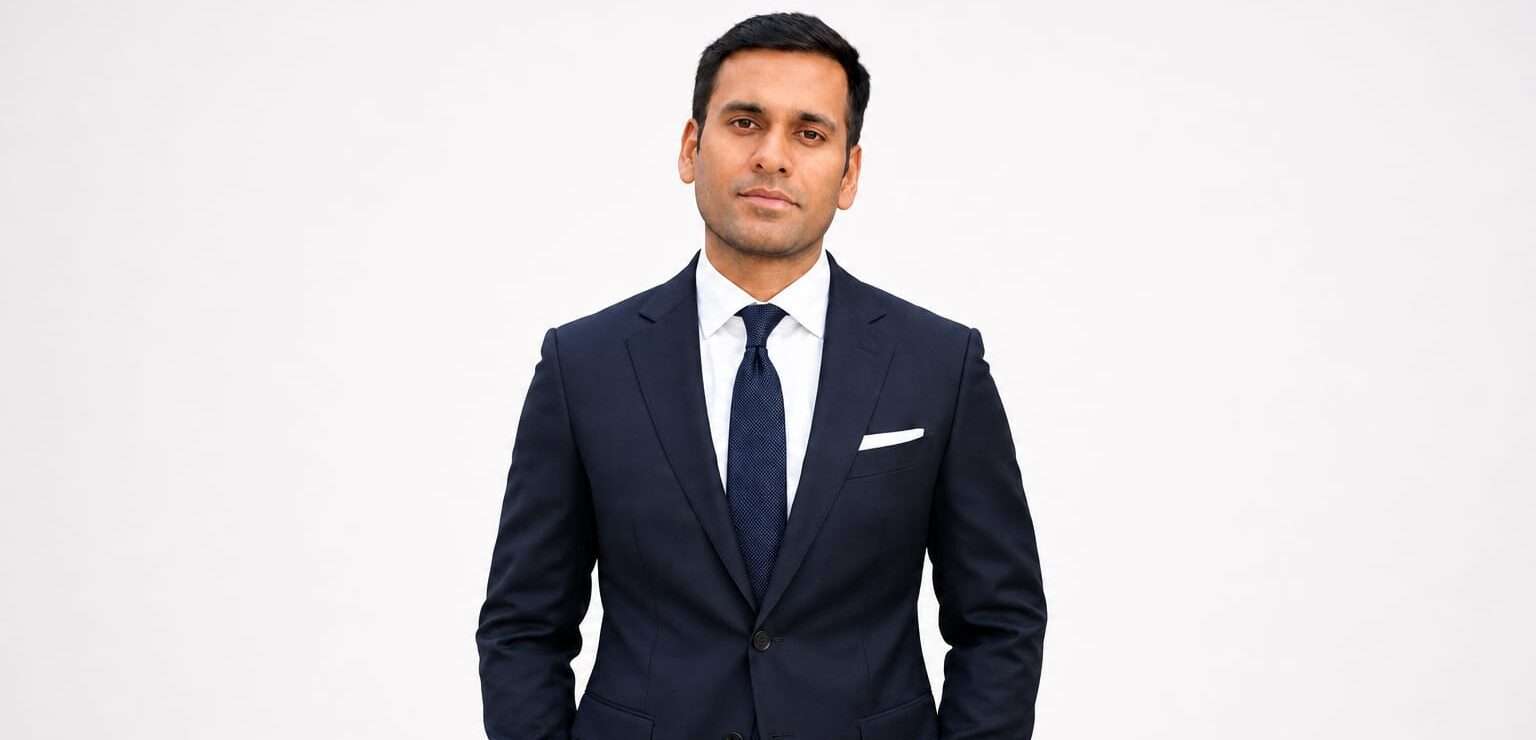
A growing number of founders working in AI HealthTech believe the most valuable technology will not be the flashiest. It will be the least visible. Among the Indian voices making this argument is Shailendra Pathak, founder of the AI HealthTech company Nutrolis, whose team has built an AI Scribe for doctors.
The idea is disarmingly simple. The tool listens to the conversation between a doctor and a patient and turns it into an accurate, structured clinical note that the doctor reviews and signs. The clinician keeps every medical decision. The software just handles the writing.
“Healthcare does not only have a diagnosis problem, it has a workflow problem,” Pathak says. “Every minute a doctor spends typing is a minute taken away from the patient. Technology should remove the paperwork, not the judgement.”
That distinction is where much of the current debate goes astray. Diagnostic AI is exciting, but it walks into a room full of hard questions around liability, regulation and trust, and adoption stays slow. Documentation is different. Nobody feels precious about writing the same note for the thousandth time. A tool that drafts it accurately, while leaving the clinician firmly in charge, slips into the working day without asking anyone to give up anything that matters.
Documentation, though, is only the first layer. Industry watchers increasingly describe AI in healthcare as arriving in quiet waves. First, the scribe that hands doctors their time back. Then ambient systems that understand a consultation as it unfolds. Then personalisation, where care adapts to the individual rather than the average patient. And finally prevention, the shift from treating illness once it arrives to noticing the drift toward it far earlier. None of these will trend online. All of them could change how care actually feels.
There is a harder truth beneath the optimism, and Pathak is quick to point to it. The bottleneck is no longer what technology can do. It is trust. An AI system in healthcare handles the most sensitive information a person owns. So the questions that decide whether any of it succeeds are not really about the model. They are about accuracy when it counts, patient privacy, genuine human oversight, and whether the software fits the messy systems a clinic already runs on. A brilliant tool that clinicians do not trust simply sits unused.
For a country like India, where a single doctor may see a hundred patients a day, the stakes are considerable. A tool that returns even twenty minutes to a physician is not a small convenience. Spread across a system under constant strain, it becomes a different kind of care for everyone in the room.
Which is perhaps the real lesson of this moment. The future of healthcare AI may not be measured by how clever the algorithm is, but by something quieter and more human. Whether it gives doctors back the time, and the attention, to be doctors again.