As the cost of living continues to rise across the United States, many Americans feel that the gap between the rich and everyone else keeps getting wider. Housing costs remain high, groceries cost more than they did a few years ago, and many workers struggle to build savings despite having full-time jobs.
This growing pressure has led to stronger support for higher taxes on wealthy individuals. Several states have introduced or proposed taxes aimed at millionaires and high-income households. Many voters see these measures as a way to reduce inequality and raise money for public services.
But Amazon founder Jeff Bezos believes the conversation is focused on the wrong group.
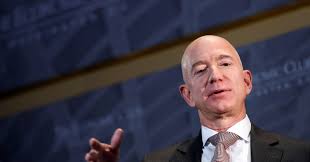
Speaking on CNBC’s Squawk Box, Bezos argued that lawmakers should pay more attention to low-income workers. Instead of increasing taxes on the wealthy, he suggested removing income taxes for people earning below a certain threshold.
According to Bezos, taxing workers who are already struggling makes little sense.
“When people are starting out and they’re struggling, stop taxing them, we don’t need it,” he said.

He pointed to workers such as teachers, nurses, and many Amazon employees who earn between $50,000 and $75,000 per year. Jeff Bezos described it as “absurd” to tax people at those income levels when many already face high living expenses.
His argument comes from a simple idea. Giving lower-income workers more take-home pay could improve their financial situation right away. Unlike tax credits or government programs, eliminating income taxes would put money directly into workers’ pockets without requiring additional applications or paperwork.
Jeff Bezos on Tax Reform, Economic Opportunity, and Structural Change
Bezos also connected the idea to economic opportunity. He spoke about his own family background and how his parents were able to improve their lives despite starting with limited resources. He believes today’s workers should have the same chance to build wealth and create successful businesses.
In his view, reducing the tax burden on lower earners could help future entrepreneurs take risks, save money, and invest in their ideas.
At the same time, Bezos pushed back against the belief that higher taxes on billionaires would solve America’s economic challenges.
He noted that he already pays billions of dollars in taxes. While he said he would pay more if lawmakers decided to raise taxes, he argued that doing so would not directly improve the lives of middle-class workers.
According to Bezos, America’s problems are more complex than a simple debate about taxing the rich.
Instead, he pointed to several areas that he believes deserve attention. These include corporate subsidies, special tax breaks, lobbying influence, and government bureaucracy. He argued that many parts of the tax system favor specific industries and companies, creating a system that is difficult to understand and expensive to manage.
“The tax code is 10,000-plus pages long because it has built-in corporate loopholes,” Bezos said.
The numbers behind his proposal help explain why he believes it could work.
The bottom 50% of American earners account for only a small share of total federal income tax revenue. Yet these households often feel the greatest impact from taxes because they spend a larger portion of their income on basic needs such as housing, transportation, food, and healthcare.
Removing income taxes for this group could increase disposable income for millions of families while reducing financial stress.
Supporters of the idea argue that it would strengthen consumer spending, encourage saving, and provide relief without creating new government programs.
Economic Reform and the Question of Tax Policy
Critics, however, raise concerns about lost tax revenue and fairness. Some economists argue that exempting a large group of workers from federal income taxes could shift more of the funding burden onto higher earners. Others question whether tax cuts alone can address issues such as housing affordability, healthcare costs, and wage growth.
These concerns highlight the challenge facing policymakers. Economic inequality is driven by many factors, including education, housing markets, healthcare costs, globalization, and technological change. No single policy is likely to solve every problem.
Even so, Bezos has sparked an important debate. Rather than focusing only on how much wealthy Americans should pay, he is asking whether low-income workers should pay federal income taxes at all.
Whether lawmakers embrace the idea remains unclear. But the proposal has added a new perspective to a national conversation about fairness, opportunity, and economic growth.
Despite the challenges, Bezos remains optimistic about the country’s future. He believes the United States continues to offer unmatched opportunities for innovation, entrepreneurship, and upward mobility.
“This is the best time to be alive in America,” he said, expressing confidence that smart reforms can help more people share in the nation’s prosperity.