
Nintendo has reached a $40 million fine agreement with France due to its actions regarding Joy-Con stick drift, an issue related to the Nintendo Switch. The fine was given by the DGCCRF, an agency responsible for consumer rights and the control of competition in France, following an investigation that revealed the company’s misleading practice.
According to the investigators, the corporation violated consumer rights laws because it was not transparent about the existing problem, despite knowing about it and selling the faulty controllers.
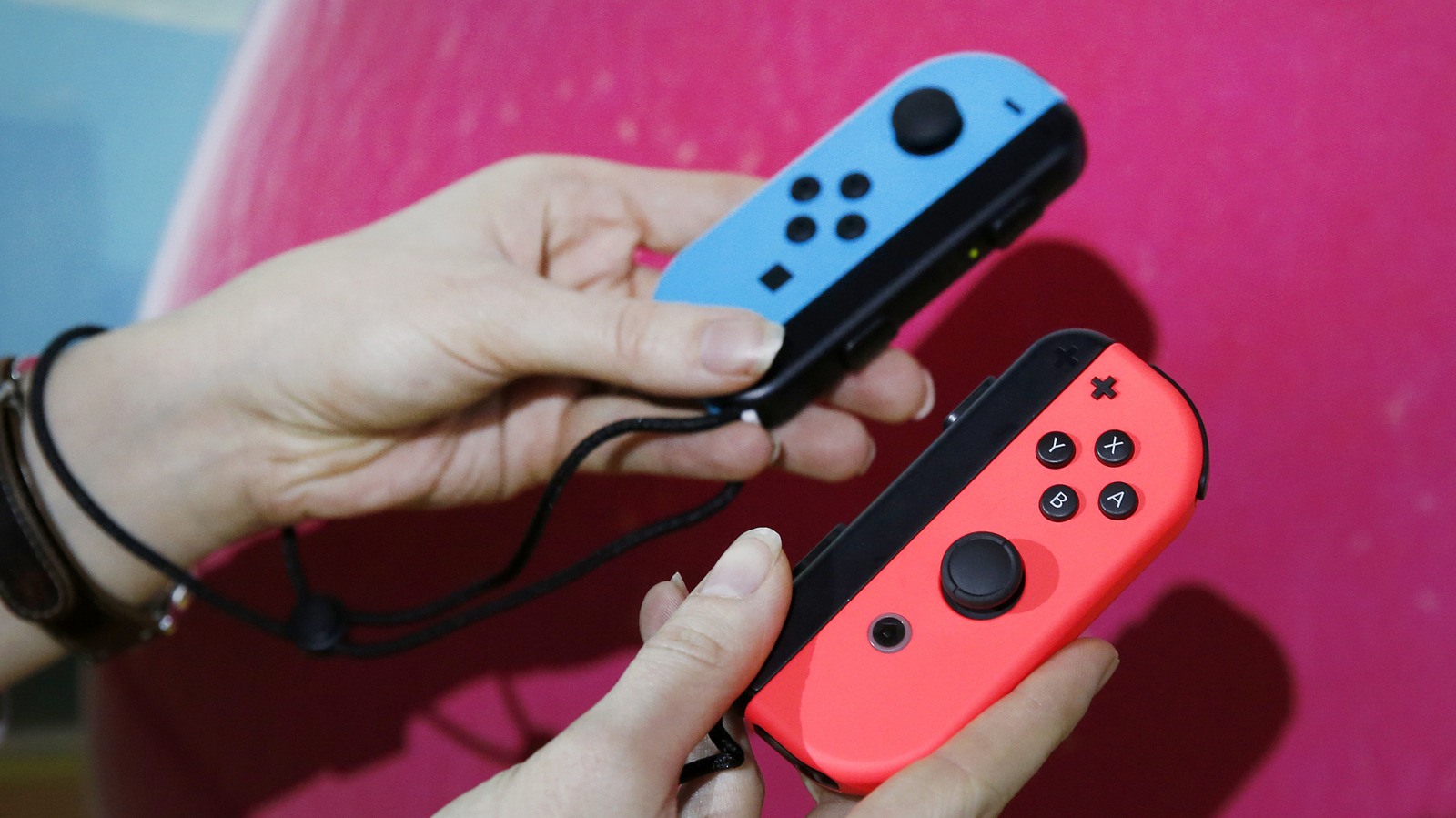
Joy-Con stick drift remains a persistent problem since the release of the device in 2017. It refers to a malfunction where the controller’s analog sticks move independently of the user’s hand and can cause unintended effects, like characters moving on their own in a game and scrolling menus in games uninvitedly.
According to French officials, Nintendo learned about the problem back in 2018. Nonetheless, the investigation showed that the company failed to disclose the problem to the public until 2020.
Throughout that time frame, numerous buyers of controllers allegedly preferred replacing them instead of getting them repaired as they did not know enough about what had happened.
DGCCRF believes that Nintendo misled the consumers during 2018-2023 because of the absence of proper disclosure about the issue, the causes behind it, and possible solutions. The authorities believe that some users spent money buying new controllers instead of opting for repairs because of insufficient information.
Under the agreement, Nintendo agreed to pay the fine in question and post a notice on the homepage of their French website. The post would contain information about the outcome of the investigation into deceptive advertising practices.
Since 2019, Nintendo has been repairing affected Joy-Con controllers free of charge in several regions, including Europe. This was a response to growing complaints about stick drift and legal claims in various countries.
Even with the settlement reached, Nintendo continues to insist that it is in no way meant as an admission of fault on the part of the company. In a statement, Nintendo said that the money paid was a sign of reaching a friendly agreement with regards to legal issues involved, and not a sign of accepting responsibility.
This case raises an interesting question regarding the issues faced by tech companies regarding hardware defects. Hardware defects may arise in any piece of consumer electronics; however, today, regulatory bodies want companies to report on such issues freely. The lack of reporting may lead to fines, lawsuits, and even loss of consumer confidence.
The Regulatory Precedent of the Joy-Con Controversy
The controversy related to Joy-Con has plagued Nintendo for quite some time now. People in different regions around the globe have reported sticking in Joy-Con controllers, resulting in repair requests, lawsuits, and other forms of consumer dissatisfaction.
Consumers believe that the sooner corporations share information about flaws, the better for their customers to make appropriate choices and receive the corresponding help. Regulators support this position as well; in case the manufacturer has some internal data about defects, its disclosure may be required by relevant authorities.
In particular, the French ruling could be a valuable example of what happens in the game industry. Manufacturers have to respond to any detected problems in a timely manner and inform users about repair solutions available for them. In addition, regulators pay increasing attention to corporations’ communications regarding these matters.
Considering the financial aspect of the issue, the amount of the fine imposed on Nintendo cannot be considered huge; however, in terms of regulatory significance, it may have considerable meaning. Namely, the case emphasizes consumer rights, rather than performance of products.
How is the Nintendo case reshaping tech standards?
As technology advances, it seems quite natural to expect higher standards from manufacturers regarding communication with customers.
The Nintendo case might shape the way in which other companies operating within the video game and technology sector respond to potential defects with their products in the future. Good communication, prompt repairs, and full transparency have become critical in building consumer trust. It seems that regulators are ready to intervene whenever necessary.