In this context, the UK government has urged big tech companies such as Apple and Google to make efforts to curb children from sending, distributing, or accessing any form of naked image via mobile phones and other portable devices.
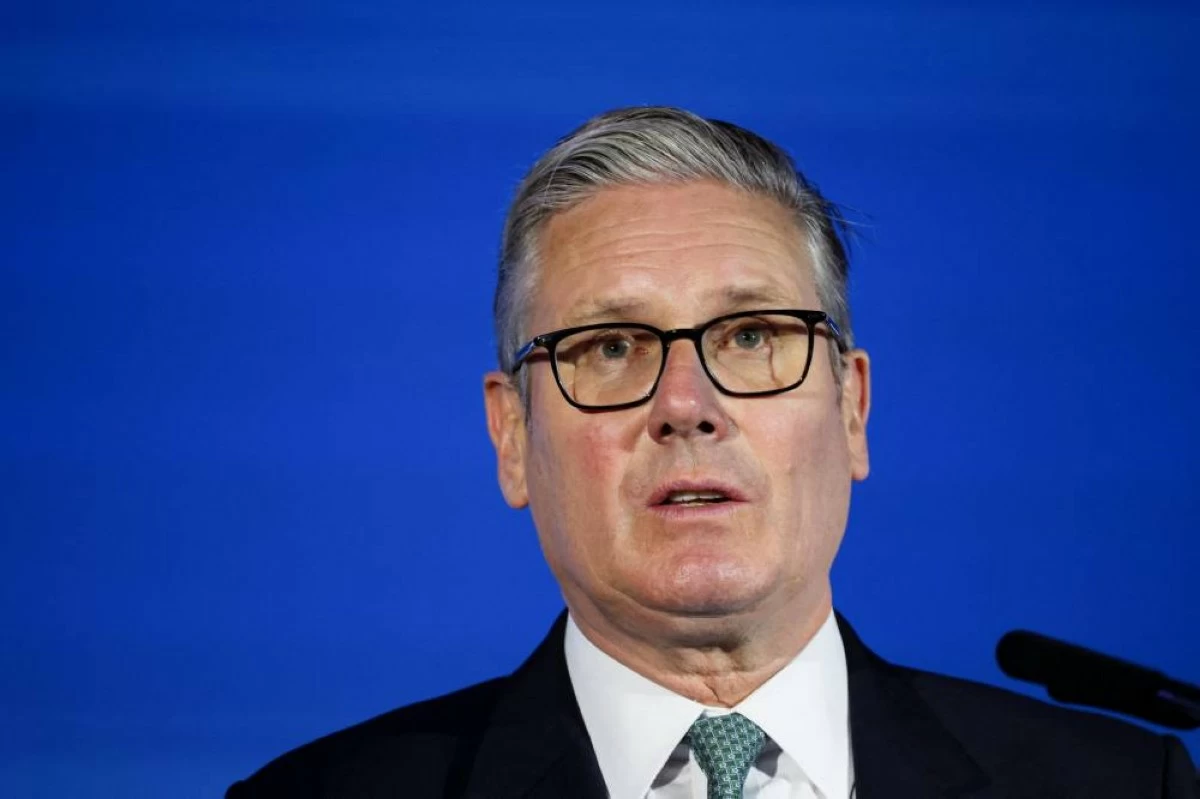
Prime Minister Sir Keir Starmer, while addressing London Tech Week, said tech companies could either use existing technology in terms of child safety or develop new software solutions for protecting children from the risks involved in their online activities.
“This is no longer an impossible task because we have some of the most forward-thinking companies in the world and I think we can deliver it,” said Starmer.
Three months’ time has been given to the tech giants before the government decides to come up with legislative measures to deal with those companies who refuse to act.
What the government wants?
The above-mentioned proposals will cover both new devices being sold and pre-existing smartphones and tablets that currently exist in the UK. This will ensure that protection will be made automatic for children while leaving access unrestricted for adults after proof of their age.

Moreover, the government claims that the proposal can extend beyond the software companies and include other players of the supply chain such as the retailers themselves.
It should be noted that these proposals will not prevent adults from accessing legal adult material because the adults will retain the ability to opt out once their age is confirmed.
How the protections could work
Many of the tools the government wants already exist in some form.
Existing system of Apple
Communication Safety has been provided by Apple already. This feature is meant for kids with a Child Account, and it covers iMessage, AirDrop, and FaceTime. When the child sends or receives images with nude content, a notification pops up along with help information.
This feature is automatically enabled for young users, while parents can enable it for teenagers using iCloud Family features.
Apple has also begun requesting age verification from UK iPhone users when downloading apps and services marked as ’18+’.
Approach of Google
Google’s Messages application, which runs on Android phones, offers comparable safeguards. These include blurring sensitive photos of children who use a phone that is controlled by parents or guardians.
In addition, the authorities noted technology developed by the online safety firm SafeToNet. This uses artificial intelligence to identify and block nude pictures on one’s own device. Since the scanning happens locally, proponents of the measure suggest it may help increase safety without transmitting one’s personal information to third-party servers.
The new announcement has already led to discussions regarding potential issues of privacy and age verification.
For instance, if these protections become automatically activated for all people, adults may be forced to prove their age to deactivate them. Civil liberties advocates warn this will lead to the development of a broader ID-checking system online.
What critics are saying
Silkie Carlo, Director at Big Brother Watch, stated that “Protecting children online is vital, but these are outrageous plans that will fail to address the underlying causes of online harm. No-one in a democracy should need to show their passport just to get online.”
There were similar fears expressed by the Open Rights Group, which stated in a press release:
“This would transform every smartphone into a device of surveillance.”
However, the government refutes this assertion by stating that no private messaging or photographs will be monitored under this scheme.
Why the government says action is needed
Ministers say the move is aimed at tackling online grooming, sextortion, and the spread of self-generated sexual images among children.
According to government figures:
- 91% of online child sexual abuse reports in 2024 involved self-generated content from children themselves.
- The average child in the UK sees pornography by the age of 13.
Home Secretary Shabana Mahmood said tech companies have a “moral duty” to make it impossible for children to take, share, or view nude images.
Technology Secretary Liz Kendall added that companies should “switch these protections on by default, for every child, on every device.”
Support from child safety groups
Child protection organisations broadly welcomed the move.
Chris Sherwood, chief executive of the NSPCC, said:
“Time is up for big tech. Now government must focus on holding them to account to ensure this transformational change for young people’s safety is quickly delivered.”
The Molly Rose Foundation also called it an important step forward, though it criticised the government for making what it described as rushed announcements without fully consulting experts.
What happens next
The next three months will be key. Tech firms can either expand and activate their existing child-safety tools voluntarily, or face new UK legislation.
At the same time, the government is considering broader restrictions on children’s use of social media, including possible limits for under-16s and bans on addictive platform features.
For now, the debate sits at the centre of a wider question facing governments around the world: how to protect children online without creating a system that undermines privacy and digital freedom for everyone else.