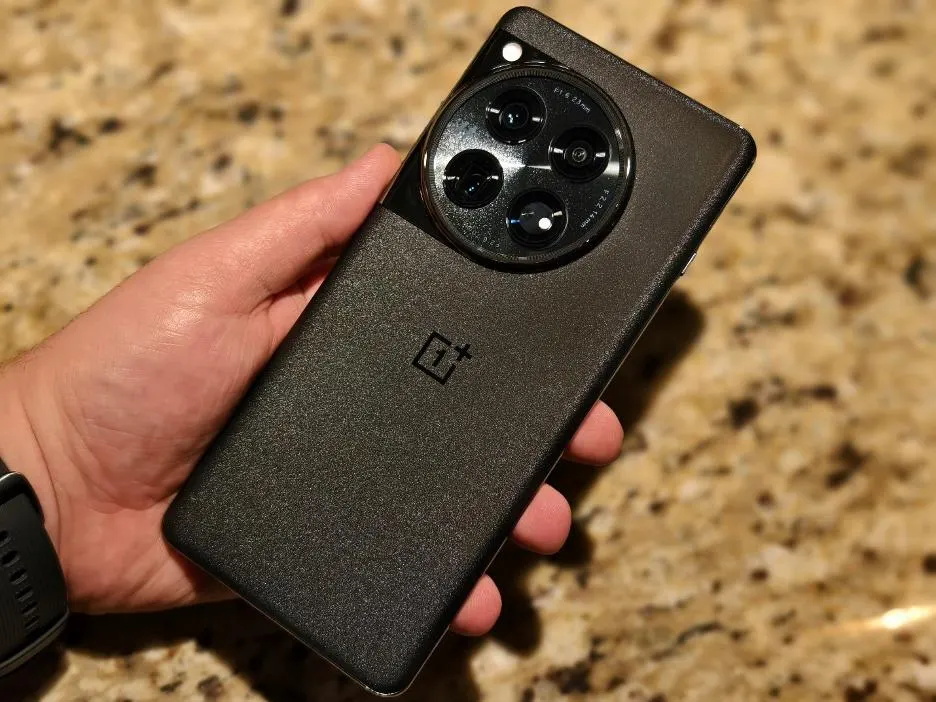
Few smartphone brands have experienced a journey as dramatic as OnePlus. In just over a decade, the company went from being an ambitious startup with no retail stores and almost no advertising budget to becoming one of the most recognizable names in the Android ecosystem. It challenged billion-dollar industry leaders, cultivated one of the most passionate technology communities in the world, and redefined what consumers expected from premium smartphones. For many Android enthusiasts, OnePlus wasn’t just another smartphone manufacturer—it was a movement that promised uncompromising performance without the exorbitant price tag.
When the original OnePlus One launched in 2014, the smartphone market looked very different. Apple’s iPhone had firmly established itself as the benchmark for premium smartphones, while Samsung dominated the Android landscape with its Galaxy S lineup. Other Android manufacturers were largely divided into two categories: expensive flagship makers and budget brands that often compromised heavily on quality. Consumers who wanted cutting-edge hardware had little choice but to pay flagship prices.
OnePlus disrupted that equation almost overnight. By combining top-tier specifications, clean software, and aggressive pricing, it created what came to be known as the “flagship killer.” The company’s “Never Settle” philosophy resonated deeply with enthusiasts who were tired of paying premium prices for incremental upgrades. Through online-only sales, community-driven marketing, and a relentless focus on speed and performance, OnePlus quickly earned a cult following that many much larger companies struggled to replicate.
For years, every OnePlus launch generated enormous excitement. The company became synonymous with blazing-fast Android performance, rapid software updates, and a user experience that felt refreshingly uncluttered. Devices such as the OnePlus 3, OnePlus 5T, and especially the OnePlus 7 Pro are still remembered as some of the finest Android smartphones ever produced.
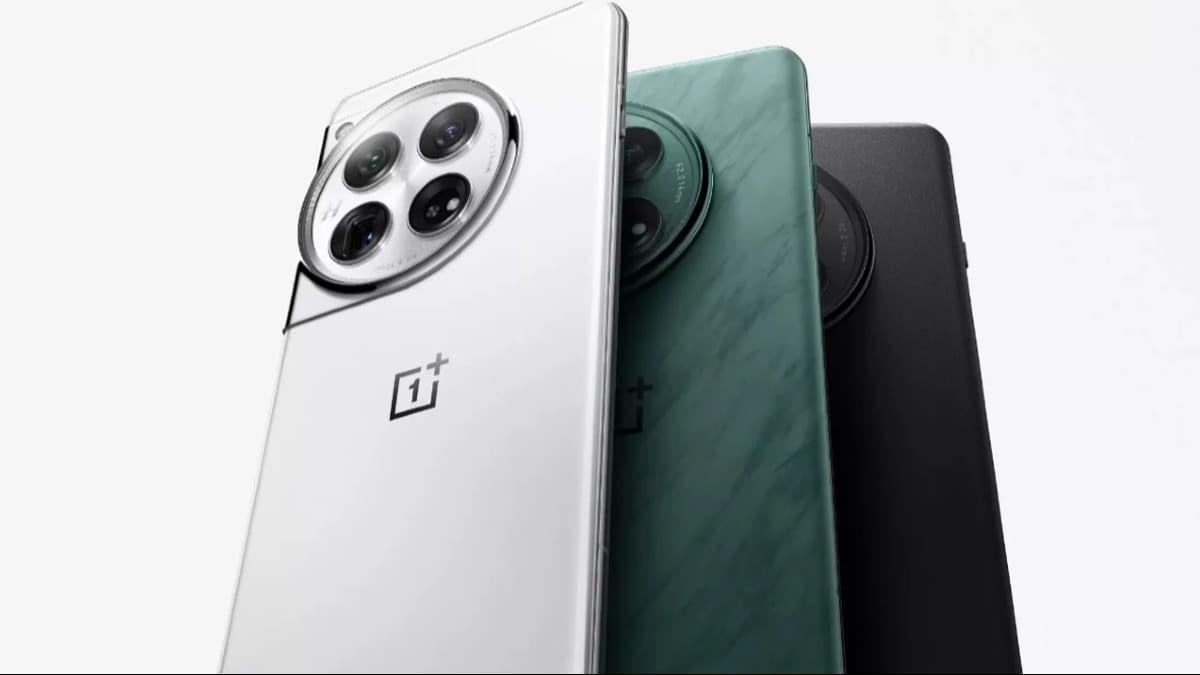
Credits: India Today
However, success brought its own challenges. As OnePlus expanded globally, its priorities began to shift. Prices steadily increased, the product portfolio grew increasingly complicated, OxygenOS gradually lost the distinctiveness that had made it so beloved, and the company’s integration with parent company Oppo blurred the identity that had once set it apart. Meanwhile, competitors caught up, offering similar specifications, aggressive pricing, and increasingly polished software experiences.
Now, reports suggest that OnePlus may officially withdraw from several Western markets, including Europe and the United States, while continuing operations primarily in India and China under a strategy more closely aligned with Oppo. If these reports materialize, it would mark the symbolic end of one of the most fascinating stories in the smartphone industry—a brand that once promised to disrupt the market now finding itself forced to retreat from some of its most important territories.
The Birth of OnePlus: Challenging an Established Industry
When OnePlus was founded in December 2013 by Pete Lau and Carl Pei, the smartphone industry appeared almost impossible for newcomers to penetrate. Giants like Apple and Samsung commanded enormous market shares, while established Android brands such as HTC, Sony, LG, and Motorola fought fiercely for the remaining customers. Entering such a crowded market seemed risky, especially for a company with no established brand recognition and limited financial resources.
Yet the founders believed they had identified a gap that the industry’s biggest players had overlooked. Smartphones had become increasingly expensive, while innovation appeared to be slowing. Every year consumers were expected to spend hundreds of dollars more for marginal improvements in processing power, camera quality, or display technology. Enthusiasts wanted flagship-level performance but were frustrated by the premium prices attached to every new release.
Rather than competing directly across every market segment, OnePlus focused on solving a single problem exceptionally well. The company would build smartphones using the latest flagship processors, high-quality displays, premium materials, and fast software, while dramatically undercutting established competitors on price. This strategy required abandoning traditional retail models and embracing a lean online-first approach. Without expensive retail partnerships or massive advertising campaigns, OnePlus could invest more of its budget into hardware while keeping prices low.
The company also recognized the growing influence of online communities. Technology enthusiasts increasingly relied on YouTube reviewers, Reddit discussions, and internet forums instead of television advertisements when making purchasing decisions. Instead of spending millions on marketing, OnePlus chose to cultivate these communities directly. Early executives frequently interacted with users, gathered feedback, and created a sense that customers were actively shaping the company’s products.
This strategy transformed buyers into advocates. Owning a OnePlus device quickly became more than simply owning a smartphone—it became membership in an enthusiastic community that believed it had discovered the industry’s best-kept secret.
The OnePlus One and the Birth of the “Flagship Killer”
The launch of the OnePlus One in April 2014 immediately turned the young startup into one of the most talked-about companies in consumer technology. Despite being completely unknown to mainstream audiences, OnePlus managed to generate extraordinary anticipation through carefully orchestrated online campaigns and community engagement.
The smartphone itself lived up to the hype. Powered by Qualcomm’s Snapdragon 801 processor, equipped with 3GB of RAM, a large Full HD display, impressive battery life, and Cyanogen OS based on Android, the OnePlus One offered specifications comparable to flagship devices costing nearly twice as much. At a starting price of just $299, it challenged the industry’s pricing structure in a way few companies had attempted before.
Reviewers across the technology world praised the phone for delivering exceptional value. While competitors charged upwards of $600 for premium smartphones, OnePlus demonstrated that similar hardware could be offered at almost half the cost. The nickname “Flagship Killer” emerged almost immediately, and rather than distancing itself from the label, OnePlus embraced it wholeheartedly. The phrase would become inseparable from the company’s identity for years to come.
Not everything about the launch was universally appreciated. The controversial invitation-only purchasing system required prospective buyers to obtain an invitation before they could place an order. While the approach helped OnePlus manage limited production capacity and prevented overwhelming demand from disrupting supply chains, it also frustrated countless customers who struggled to obtain an invite.
Ironically, the invite system became one of the company’s most effective marketing tools. Scarcity generated curiosity, social media buzz, and a sense of exclusivity. Invitations were traded on forums, distributed through competitions, and eagerly awaited by consumers across the globe. Buying a OnePlus phone felt less like making a routine purchase and more like gaining entry into an exclusive club.
Although the invitation model was eventually abandoned as production scaled, it played a crucial role in establishing OnePlus as one of the industry’s most talked-about startups.
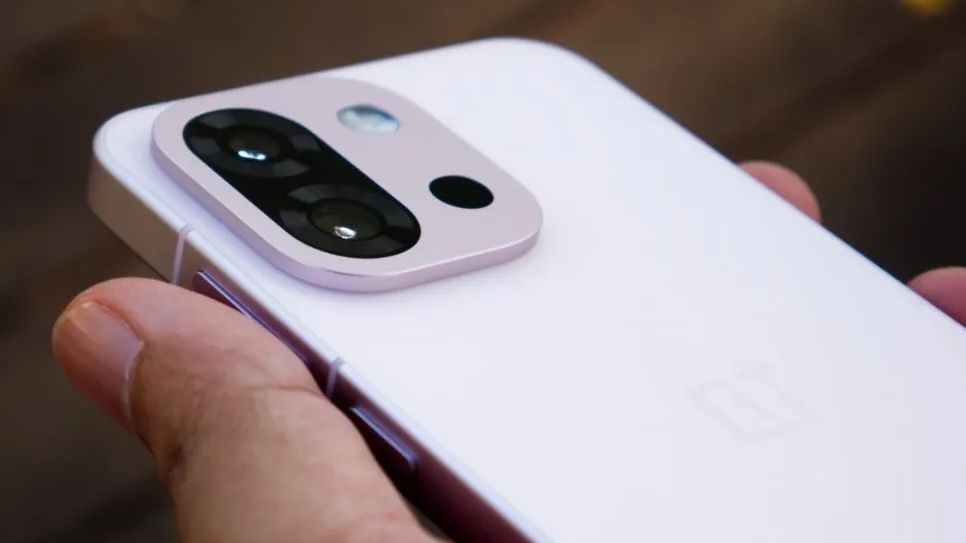
Credits: The GEEK
Building a Community Instead of a Customer Base
One of OnePlus’ greatest achievements was understanding that modern technology companies could build loyalty without relying solely on traditional advertising. While larger manufacturers spent enormous sums on celebrity endorsements, television commercials, and retail promotions, OnePlus concentrated almost entirely on community building.
The company’s official forums became one of the most active smartphone communities on the internet. Engineers and executives frequently participated in discussions, responding directly to user feedback and explaining product decisions. Software updates were influenced by suggestions from enthusiasts, making customers feel genuinely involved in the evolution of the brand.
Social media also became an important pillar of OnePlus’ strategy. Rather than publishing carefully scripted corporate announcements, the company often adopted a conversational tone that resonated with younger technology enthusiasts. Product launches felt like celebrations shared with the community rather than conventional corporate events.
OxygenOS: The Software That Won Hearts
Although flagship hardware initially attracted attention, it was OxygenOS that transformed many first-time buyers into lifelong OnePlus fans. After licensing disagreements with Cyanogen forced the company to develop its own operating system, expectations were understandably high. Many feared that replacing Cyanogen OS would diminish one of the original OnePlus One’s strongest selling points.
Instead, OxygenOS quickly established itself as one of Android’s finest software experiences.
Unlike heavily customized Android interfaces offered by several competitors, OxygenOS remained remarkably close to Google’s vision for Android while introducing practical enhancements that genuinely improved usability. Rather than overwhelming users with duplicate applications and unnecessary visual effects, OnePlus focused on speed, responsiveness, and thoughtful customization.
Features such as customizable gestures, extensive theming options, Gaming Mode, Zen Mode, advanced display calibration, and an exceptionally polished dark mode appealed to enthusiasts without making the software feel bloated. Combined with frequent software updates and consistently excellent optimization, OxygenOS earned a reputation as perhaps the smoothest Android experience available.
This emphasis on software optimization became a defining characteristic of the brand. Even when competitors used identical Qualcomm processors, OnePlus devices often felt noticeably faster because every animation, transition, and interaction had been carefully refined. The company’s philosophy was simple: speed was not merely about hardware specifications but about creating an experience that felt effortless every time the user picked up the phone.
By successfully pairing flagship hardware with one of Android’s cleanest operating systems, OnePlus established a winning formula that would carry the company through its most successful years.
The Golden Years: When OnePlus Could Do No Wrong
If the OnePlus One introduced the company to the world, the period between the OnePlus 3 and the OnePlus 7 Pro transformed it into one of Android’s most admired brands. During these years, OnePlus struck a balance that very few smartphone manufacturers have managed to achieve. Every new device delivered meaningful improvements over its predecessor without abandoning the company’s original philosophy of offering flagship performance at a significantly lower price than its rivals.
Unlike many competitors that released dozens of smartphones every year, OnePlus maintained a focused product strategy. Consumers didn’t have to choose between confusing product names or overlapping specifications. The company launched one flagship in the first half of the year and, beginning in 2016, followed it with a refined “T” version later in the year. This predictable release cycle kept excitement high while allowing engineers to polish each device instead of spreading resources across an enormous product lineup.
The approach also gave OnePlus an identity that was easy to understand. If someone wanted the fastest Android phone for the money, the answer was usually a OnePlus device. This clarity helped the company build trust among consumers who were becoming increasingly overwhelmed by the growing number of smartphone choices available in the market.

Credits: Business Standard
The OnePlus 3 and 3T: Refining the Formula
The OnePlus 3 marked a significant turning point for the company. While earlier devices had already demonstrated that premium hardware could be sold at affordable prices, the OnePlus 3 finally looked and felt like a true flagship in every sense.
Its aluminum unibody construction gave it a premium appearance that rivaled far more expensive smartphones, while the Qualcomm Snapdragon 820 processor ensured class-leading performance. The AMOLED display delivered vibrant colors, the fingerprint scanner was remarkably fast, and the software experience continued to improve with every update.
More importantly, OnePlus addressed one of the few criticisms directed at its earlier devices—charging speed. The company introduced Dash Charge, a proprietary fast-charging technology that quickly became one of the biggest reasons people recommended OnePlus phones.
At a time when many smartphones required nearly two hours to recharge, Dash Charge could restore a significant portion of the battery in just thirty minutes. Unlike several competing fast-charging technologies that generated considerable heat inside the phone, Dash Charge shifted much of the heat management to the power adapter itself. This meant users could continue using their phones comfortably while charging at high speeds.
The technology felt almost magical in everyday use. Instead of worrying about battery percentages throughout the day, users could plug their phone in for twenty or thirty minutes before leaving home and confidently expect enough power to last until evening. It was one of those innovations that genuinely changed user behavior rather than simply adding another specification to the marketing material.
Later that year, the OnePlus 3T refined the experience further with a newer Snapdragon processor, improved battery life, and a better front-facing camera. Instead of forcing existing customers to upgrade, OnePlus positioned the T-series as an incremental improvement for those who hadn’t yet purchased the original flagship. The strategy proved successful enough that the company continued releasing T-series models for several years.
OnePlus 5 and 5T: Building Mainstream Recognition
By the time the OnePlus 5 arrived in 2017, the company had already established a loyal fanbase among technology enthusiasts. However, the smartphone market was changing rapidly, and OnePlus recognized that long-term growth would require appealing to a broader audience.
The OnePlus 5 introduced the company’s first dual-camera system, reflecting the growing importance of smartphone photography. While critics pointed out similarities between its design and Apple’s iPhone 7 Plus, the phone impressed users with its exceptional speed, outstanding battery life, and polished software experience.
The company continued emphasizing performance above everything else. Its advertising frequently highlighted the amount of RAM, processing power, and responsiveness offered by its devices, reinforcing the message that OnePlus built phones for people who valued speed.
Just a few months later, the OnePlus 5T arrived with one of the most noticeable design upgrades in the company’s history. As bezel-less displays became the industry’s biggest trend, OnePlus quickly adapted by introducing an edge-to-edge screen with minimal bezels. The fingerprint scanner moved to the rear, allowing the display to occupy significantly more of the phone’s front surface.
The 5T also introduced Face Unlock, which rapidly became one of the fastest facial recognition systems available on Android. Although it relied primarily on the front-facing camera rather than sophisticated depth sensors like Apple’s Face ID, its speed amazed reviewers and users alike.
These devices helped OnePlus move beyond its enthusiast roots. More mainstream consumers began recognizing the brand, and sales grew steadily across Europe, India, and North America.
The OnePlus 7 Pro: The Peak of the Brand
If there is one smartphone that perfectly captures what OnePlus stood for at its best, it is undoubtedly the OnePlus 7 Pro.
Released in 2019, the device represented everything fans had been asking for. It featured an uninterrupted edge-to-edge AMOLED display with no notch or punch-hole, thanks to an innovative pop-up selfie camera. More importantly, it introduced a 90Hz refresh rate at a time when most flagship smartphones still relied on traditional 60Hz panels.
The difference was immediately noticeable.
Scrolling through webpages felt smoother, animations appeared more fluid, and the overall user experience seemed remarkably responsive. Although higher refresh rates eventually became common across the smartphone industry, OnePlus deserves considerable credit for demonstrating their practical benefits to mainstream consumers.
The OnePlus 7 Pro also included UFS 3.0 storage, stereo speakers, improved haptic feedback, a versatile triple-camera system, and Qualcomm’s latest flagship processor. Combined with OxygenOS, the phone delivered an experience that many reviewers described as the fastest Android smartphone available.
What made the OnePlus 7 Pro particularly special was its pricing. While it cost more than previous OnePlus devices, it still significantly undercut competing flagship smartphones from Samsung and Apple.
Even today, many enthusiasts consider the OnePlus 7 Pro the finest smartphone the company has ever produced. It represented the culmination of years of careful refinement and embodied the “Never Settle” philosophy better than any device before or since.
Ironically, it also marked the point where OnePlus began drifting away from the identity that had made it successful.
Success Changed the Company’s Priorities
Growing from a startup into a global technology brand inevitably introduced new challenges. Investors expected stronger financial performance, international expansion demanded greater operational efficiency, and competing in premium markets required larger marketing budgets.
The very strategy that had made OnePlus successful—accepting lower profit margins in exchange for rapid growth—became increasingly difficult to sustain.
Component costs continued rising as smartphone technology advanced. High-refresh-rate displays, 5G modems, larger batteries, sophisticated camera systems, and premium materials all increased manufacturing expenses. At the same time, consumers expected longer software support, better customer service, and wider retail availability.
To meet these expectations, OnePlus gradually repositioned itself.
Instead of remaining the affordable alternative to flagship smartphones, the company began competing directly with Samsung’s Galaxy S series and Apple’s iPhone. While this strategy promised higher profit margins, it also eliminated one of OnePlus’ greatest competitive advantages.
For the first time, customers started asking whether a OnePlus phone justified its price when Samsung, Apple, and Google offered similarly priced alternatives with stronger camera systems, better ecosystem integration, or more established brand recognition.
The question became increasingly difficult to answer.
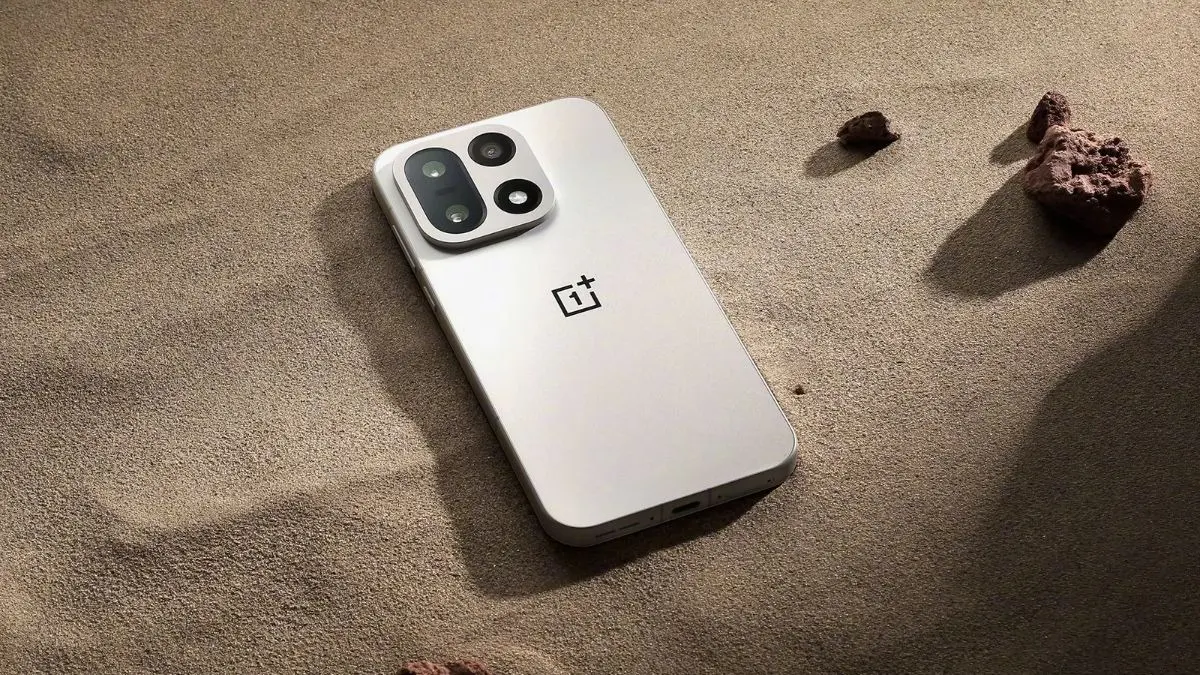
Credits: Republic World
The Price of Becoming Premium
OnePlus had always increased prices gradually with each generation, but loyal customers generally accepted those increases because they were accompanied by meaningful improvements.
Eventually, however, the difference between OnePlus and traditional flagship brands narrowed considerably.
Consumers who once purchased OnePlus because it offered flagship specifications for nearly half the price suddenly found themselves paying amounts that approached those of Samsung’s Galaxy S lineup.
The “flagship killer” had effectively become another flagship.
This transformation fundamentally altered public perception. Instead of comparing OnePlus against expensive premium smartphones, many consumers began evaluating it by the same standards as Apple and Samsung. Camera performance, software support, ecosystem integration, resale value, and after-sales service became far more important considerations.
While OnePlus continued producing excellent hardware, it was no longer competing from the position of an underdog. It had entered the very category it had originally set out to disrupt.
The expectations were higher, the competition was stronger, and the margin for error had become much smaller.
Carl Pei’s Departure and the Beginning of a New Era
A defining moment in OnePlus’ history came in late 2020 when co-founder Carl Pei announced that he was leaving the company. Although OnePlus had grown into a global smartphone brand by then, Pei remained one of its most recognizable faces. He had played a central role in building the company’s community-first culture, frequently interacting with users and presenting OnePlus as a brand created by enthusiasts, for enthusiasts. His departure led many longtime fans to question whether the company would continue following the vision that had made it so successful.
The uncertainty grew even stronger after Pei founded Nothing, a new consumer technology company that adopted many of the principles that had originally defined OnePlus. With minimalist design, transparent communication, and an emphasis on building a passionate community, Nothing quickly attracted many former OnePlus supporters who felt that the original brand had begun drifting away from its roots.
The Oppo Integration and OxygenOS Controversy
Although OnePlus had always shared ownership with Oppo under BBK Electronics, the two brands had largely operated independently during their early years. That distinction gradually faded as engineering resources, software development, and product planning became increasingly intertwined.
The most controversial decision was the closer integration of OxygenOS with Oppo’s ColorOS. OnePlus argued that sharing a common software foundation would allow faster updates, improved stability, and more efficient development. While those goals were reasonable from a business perspective, many longtime users felt that OxygenOS was losing the clean, lightweight experience that had once made it one of Android’s biggest strengths.
At the same time, several OnePlus smartphones began resembling Oppo devices in both design and hardware. Critics increasingly described them as rebranded Oppo phones rather than products with a distinct identity. Whether or not that assessment was entirely fair, it reflected a growing perception that OnePlus was no longer the independent disruptor it once was.
The Nord Strategy and Reports of a Western Exit
Recognizing that the premium smartphone segment had become fiercely competitive, OnePlus expanded aggressively into the mid-range market with its Nord series. The strategy proved particularly successful in India, where the Nord lineup consistently performed well and helped the company dominate the affordable premium segment. More recently, devices like the OnePlus N6 have demonstrated the brand’s renewed focus on delivering value-driven smartphones at lower price points.
While India remains one of OnePlus’ strongest markets, its position in the West appears increasingly uncertain. Recent reports suggest that the company is preparing to officially discontinue operations in the United States and much of Europe, with Oppo expected to assume a larger role in those regions. Existing customers are likely to continue receiving software updates and after-sales support throughout their promised support periods, but no major new OnePlus launches are reportedly planned for these markets. Existing inventory is expected to be sold through current channels before the brand gradually exits.
Although OnePlus has previously denied speculation about leaving Western markets, the latest reports indicate that a major strategic announcement may be imminent. If confirmed, the move would mark the end of OnePlus as a truly global smartphone brand, even as it continues operating in key markets such as India and China.
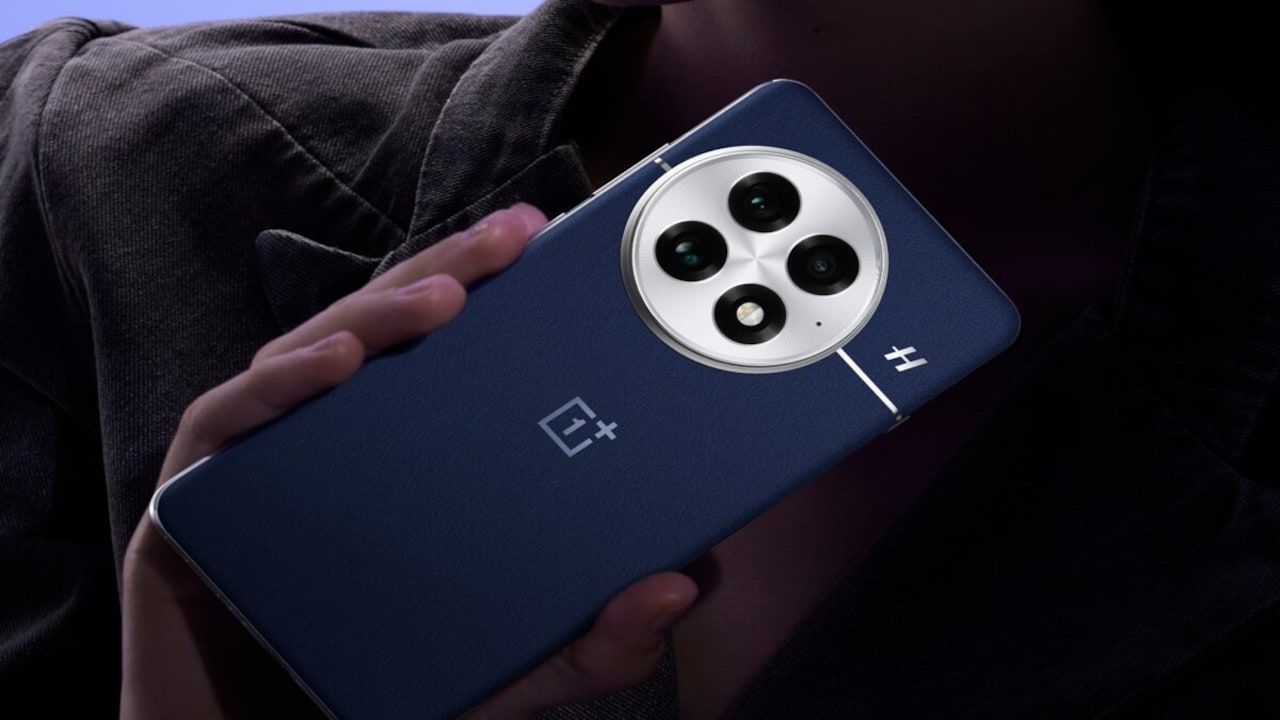
Credits: Business Today
Conclusion
The story of OnePlus is one of the most fascinating journeys in modern consumer technology. Very few companies have managed to disrupt an industry as dramatically as OnePlus did during its early years. It challenged the notion that flagship smartphones had to be expensive, pushed competitors to improve value for money, popularized features like ultra-fast charging and high-refresh-rate displays, and built a passionate community that believed in its “Never Settle” philosophy.
Yet the same company that revolutionized the Android market gradually became a victim of its own success. As prices increased, the product portfolio expanded, software lost some of its unique identity, and the distinction between OnePlus and Oppo became increasingly blurred, the qualities that had once made the brand exceptional slowly faded. At the same time, competitors such as Samsung, Google, Xiaomi, Nothing, and others closed the gap by offering better cameras, longer software support, and increasingly competitive pricing.
If reports of its withdrawal from Europe and the United States prove accurate, it will symbolize the end of the “flagship killer” era that began in 2014. However, that should not overshadow OnePlus’ lasting impact on the smartphone industry. The company forced established manufacturers to rethink pricing strategies, proved that online communities could build global brands, and showed that software experience could be just as important as hardware specifications.
Whether OnePlus eventually becomes a sub-brand within Oppo or continues independently in markets like India and China, its legacy is already secure. Millions of users still remember the excitement surrounding the OnePlus One, the speed of OxygenOS, the convenience of Dash Charge, and the brilliance of devices like the OnePlus 7 Pro. Those innovations changed consumer expectations forever, ensuring that even if the brand’s global presence diminishes, its influence on the Android ecosystem will continue to be felt for years to come.