Are you tired of scrolling through endless forum threads and confusing college brochures? Selecting the right engineering college is the single most defining decision of your professional life, yet most students focus on the completely wrong metrics. With hundreds of options for BTech colleges in India out there, selecting the one ideal institute requires more than just brochures. Moreover, the educational landscape has expanded rapidly over the last few years, creating thousands of options for technical education. While exploring the vast national directory of BTech colleges, it becomes vital to target institutions that successfully combine deep academic stability with modern, progressive industry training.
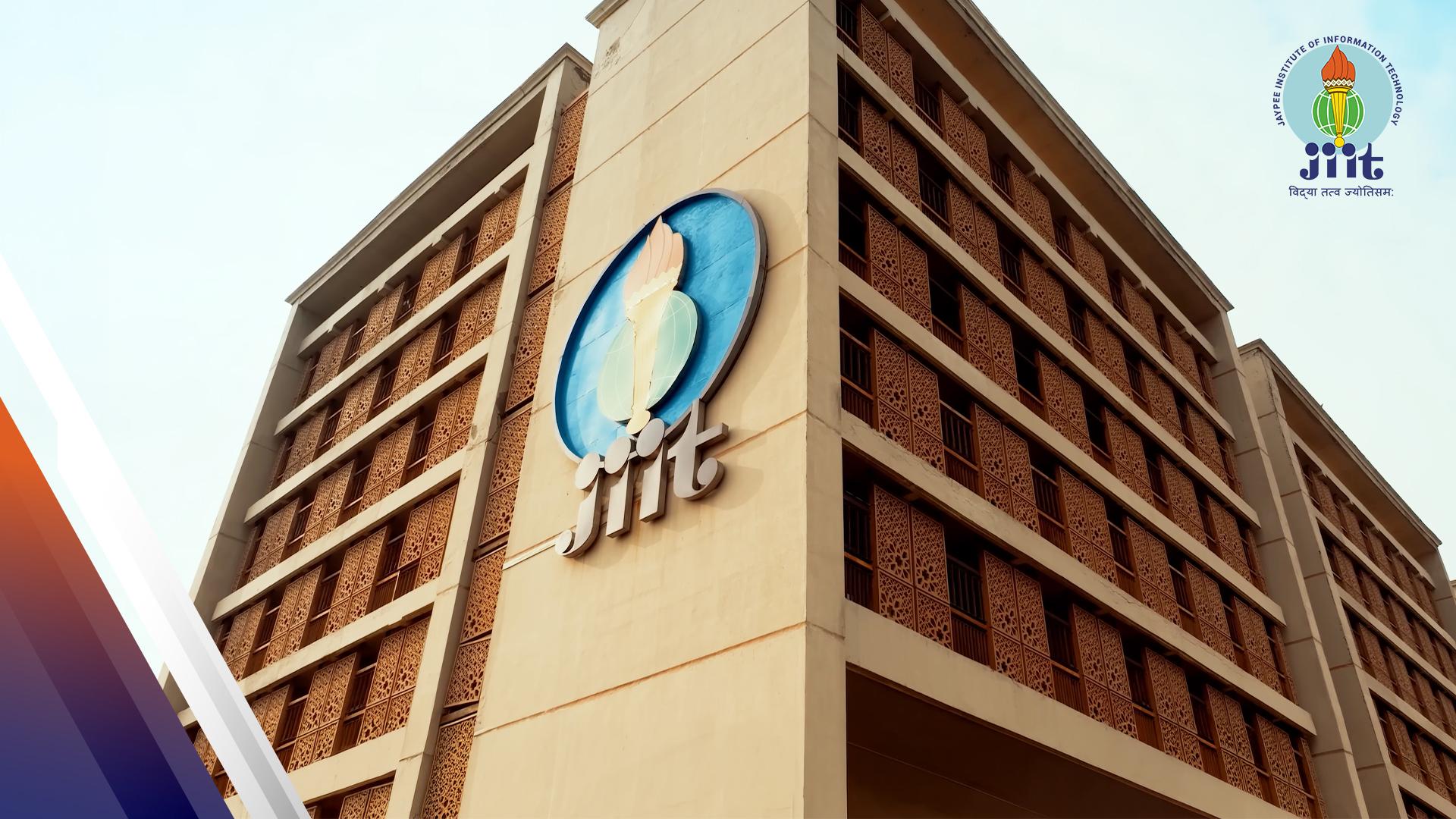
Renowned choices like Jaypee Institute of Information Technology (JIIT) consistently occupy a primary position in this strategic evaluation, offering a clear model of how top-tier infrastructure, rigorous quality control, and industry-synced courses work together to build capable, career-ready professionals.
Read this blog and discover a practical, noise-filtering framework that will help you make a highly informed, pragmatic choice for your future.
The Critical Quadrant: Key Factors Beyond the Pamphlet
Separate the loud promotional claims from actual daily reality; we must evaluate an engineering college through four distinct filters. When these structural elements line up with our specific professional objectives, the foundation for our career is securely laid down.
1) Curricular Elasticity and Domain Specialisation
As technology continues to evolve, a stagnant curriculum is a massive risk. We need to look closely at how frequently a university actually updates its syllabus based on trends. A traditional academic framework usually takes several years to approve minor changes. This leaves students to study outdated concepts that the industry has already abandoned.
A high-performing institution like JIIT demonstrates curricular elasticity and integrates new technological shifts into core coursework. When looking for options, look for structured pathways in emerging domains like Artificial Intelligence, Data Science, and the Internet of Things (IoT). More importantly, we must verify if these specialised subjects are integrated into foundational laboratory work. It will ensure that practical application goes hand-in-hand with theory.
2) Core Placement Density vs. Marketing Outliers
It is incredibly easy to be distracted by massive, headline-grabbing salary packages. However, depending on a few isolated high-end numbers is the common mistake most families make during college research. A single international package salary is not something all students experience.
Hence, rather than focusing on outliers, analyse “placement density”, the median salary, the consistency of recruiters, and the ratio of students placed to total graduates. Because a robust placement environment is defined by a high volume of repeat corporate visits.
3) Proximity to Industrial and Tech Corridors
The physical location of a campus is a hidden driver of professional growth. A college situated near major industrial sectors, like JIIT Noida, Sector 62, provides students with a massive functional advantage over isolated campuses.
It impacts the quality of corporate guest lectures, industry mentorship, and mandatory summer internships. This also makes the transition from classroom learner to industry professional natural and seamless, providing valuable networking opportunities that are hard to replicate elsewhere.
4) Faculty Credentials and Research Infrastructure
The quality of an engineering programme is deeply connected to its faculty. Beyond reviewing basic academic degrees, it is important to look at the faculty’s active research contributions, industry consulting experience, and commitment to student mentorship.
An institution that prioritises active research creates an environment of curiosity and innovation. When choosing a college, we look for facilities with modern, well-equipped laboratories; dedicated research centres; and clear opportunities for undergraduates to collaborate on published papers. Faculty members who are active in research bring real-world problem-solving into the classroom, teaching us how to apply theoretical principles to complex, practical challenges.
Strategic Evaluation of Financial Commitment (ROI)
An engineering degree is a major investment of both time and money. Evaluating the return on investment requires looking at not just post-graduation salary but also involves assessing the long-term value of our alumni network, the lifetime utility of the skills acquired, and the institutional brand value.
A practical way to assess ROI is to compare the total cost of education against the median placement packages over a five-year period. However, true value also lies in non-monetary returns: access to global alumni networks, opportunities for higher education partnerships with international universities, and incubation support for student-led startups. An institution that provides these advantages provides long-term value that continues to benefit graduates long after their initial investment.
Evaluating Accreditations and Statutory Foundations
National rankings and official accreditations provide a reliable, objective measure of an institution’s quality. Before finalising our choice, we check the college’s standing with key national bodies:
- National Institutional Ranking Framework: A reliable, data-driven ranking system managed by the Ministry of Education, Government of India, evaluating teaching quality and graduation outcomes.
- National Board of Accreditation (NBA): Evaluates the quality of specific technical programmes, ensuring they meet international quality standards.
- University Grants Commission (UGC) & AICTE: Ensure the university holds the necessary statutory approvals to award valid, globally recognised degrees.
Using these official databases helps in verifying that the chosen university’s claims are backed by solid, verified metrics.
Final Words: Jaypee Institute of Information Technology (JIIT)
For families looking for universities that meet all these rigorous standards, JIIT stands out as one of the leading choices for engineering institute in Noida. JIIT has built a strong reputation for academic excellence, modern infrastructure, and industry-integrated learning. Situated in the heart of Noida’s major corporate hub, JIIT provides students with direct access to top companies. It makes it an exceptional engineering institute in India for modern technical education.
JIIT’s contemporary B.Tech curriculum is designed to adapt to rapid industry shifts, supported by state-of-the-art laboratories, dedicated faculty, and an active campus culture focused on technical innovation. By choosing JIIT, students gain more than just a degree; they enter a supportive, forward-looking environment engineered to launch successful, lifelong professional careers.
Take the first step toward a bright engineering future. Explore our diverse programmes, state-of-the-art facilities, and admission requirements by visiting the official website of JIIT to plan your academic journey today.