The financial strain of the global artificial intelligence arms race has reached a historic inflection point for social media giant Meta Platforms. For quarters, Wall Street rewarded tech conglomerates for aggressively building out server infrastructure to pursue artificial general intelligence and sovereign compute networks. However, as capital expenditures outpace near-term revenue generation, investors are scrutinizing corporate cash flows. Following Meta’s Q2 2026 earnings release, reports covering the Zuckerberg superintelligence Meta cash flow drop highlight how a massive $31.08 billion quarterly infrastructure outlay caused free cash flow to plummet by 91%, dropping to just $784 million compared to $8.55 billion in the same period a year earlier.
Despite delivering a strong 28% year-over-year revenue surge to $60.80 billion, Meta’s net income fell 14% to $15.85 billion. Unlike cloud competitors such as Microsoft Azure and Google Cloud, which rent out excess GPU capacity directly to enterprise clients, Meta’s AI investments fund internal consumer applications, personal agents, and open-source models creating an immediate cash flow drain without an instant enterprise cloud revenue offset.
1. Deconstructing the Numbers: Revenue Growth vs. Cost Inflation
Meta’s core advertising engine performed exceptionally well during the quarter, supported by algorithmic ad recommendations and expanding engagement across Instagram, Facebook, and WhatsApp. Ad impressions increased 14% year-over-year, while average price per ad rose 12%.
However, total costs and expenses surged 55% to $42.03 billion, driven by massive technical hires, infrastructure operations, and one-off corporate charges:
- Capital Expenditures: Reached $31.08 billion for the quarter, pushing full-year 2026 Capex guidance upward to a range of $130 billion to $145 billion (up from $72 billion spent in 2025).
- Legal Charges: Booked $2.40 billion in legal reserves amid ongoing youth mental health and addiction litigation across multiple U.S. states.
- Severance Costs: Recorded $1.18 billion in severance expenses associated with the May 2026 headcount reduction that impacted approximately 8,000 employees.
2. The Superintelligence Strategy: Zuckerberg’s Long-Term Vision
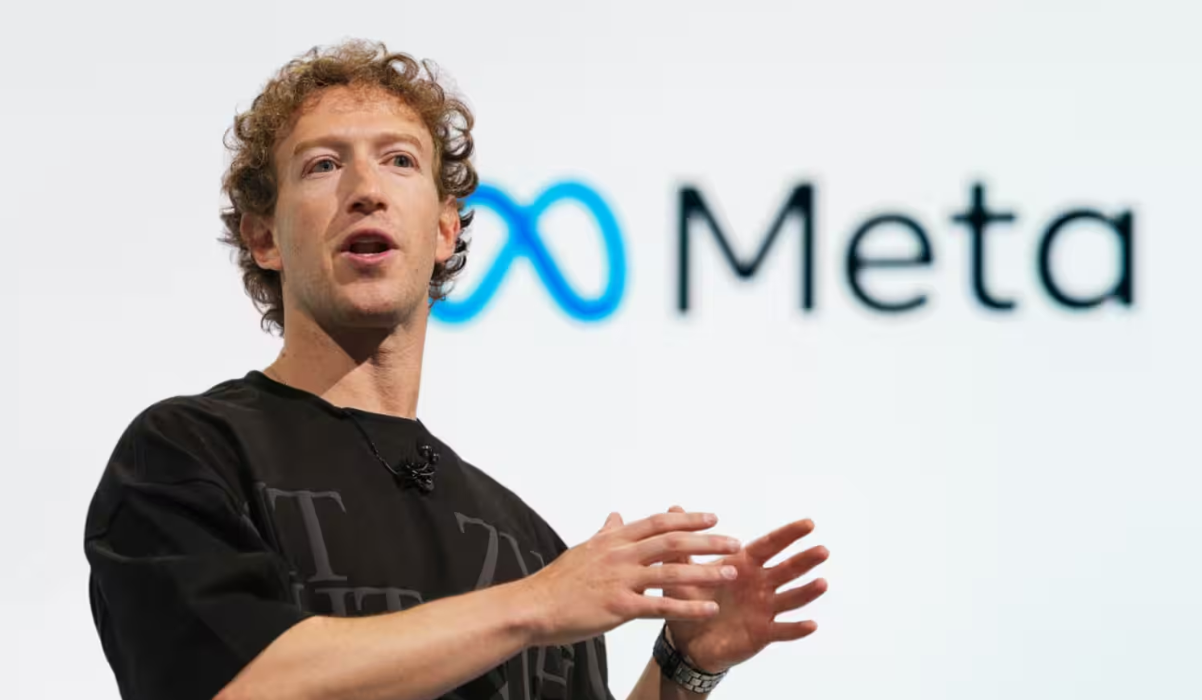
Addressing analysts on the earnings call, Chief Executive Officer Mark Zuckerberg defended the company’s aggressive spending cadence. Zuckerberg argued that building world-class compute clusters is a strategic necessity to achieve superintelligence, expand personal AI agents for billions of users, and power next-generation hardware like AI smart glasses.
“We expect that a significant portion of our compute is going to go towards training our models, growing our core business, and delivering personal agents and new products. But we also expect to grow a large business serving large customers as well. AI is accelerating our core business today.” Mark Zuckerberg, CEO of Meta Platforms
3. Financial Performance & Peer Comparison
The severity of the cash flow reduction highlights a growing split between Big Tech firms building proprietary consumer platforms versus those operating public cloud hubs.
Big Tech Q2 2026 Capital Intensity Comparison
| Financial Metric | Meta Platforms (META) | Microsoft (MSFT) | Alphabet (GOOGL) |
| Q2 Revenue | $60.80 Billion (+28%) | $71.20 Billion (+16%) | $92.40 Billion (+15%) |
| Q2 Capital Expenditure | $31.08 Billion | $19.00 Billion | $22.50 Billion |
| Q2 Free Cash Flow | $784 Million (-91%) | $14.20 Billion | -$5.90 Billion (Negative) |
| Monetization Route | Internal Apps & Personal AI | Azure Enterprise Cloud Leasing | Google Cloud & Search AI |
| 2026 Annual Capex Target | $130B – $145B | ~$80 Billion | ~$75 Billion |
The Economics of Hyper-Scale AI
The market reaction to the Zuckerberg superintelligence Meta cash flow drop underscores a significant shift in investor expectations. While revenue growth remains robust, Wall Street is demanding a clearer timeline for when hundreds of billions of dollars in infrastructure investments will translate into bottom-line free cash flow.
As Meta continues building out its 32 global data centers and expanding its private credit joint ventures such as its $14 billion data center partnership with BlackRock, Mark Zuckerberg is betting the company’s future on the belief that achieving AI superintelligence will justify short-term balance sheet strain.