Meta has apologised to the Indian government over a series of content moderation failures, including the presence of child sexual abuse material (CSAM), deepfake content, and the temporary restriction of a post by Prime Minister Narendra Modi. The development marks one of the company’s most significant acknowledgements of operational shortcomings in one of its largest and fastest-growing markets.
The apology comes amid increasing regulatory scrutiny of large technology platforms in India, where concerns around harmful online content, misinformation, and platform accountability have intensified over the past year.

Credits: The Hindu
Meta Admits Mistakes During High-Level Government Meeting
Senior Meta executives, led by the company’s Chief Global Affairs Officer Joel Kaplan, met officials from the Ministry of Electronics and Information Technology (MeitY), including Union Minister Ashwini Vaishnaw, on August 5.
Following the meeting, Kaplan confirmed that he had apologised to the minister over the erroneous restriction placed on Prime Minister Narendra Modi’s Facebook post.
The acknowledgement came as government officials raised broader concerns regarding Meta’s content moderation practices and questioned whether the company was doing enough to prevent harmful content from spreading across its platforms.
The discussions reportedly extended beyond a single moderation error and focused on Meta’s overall responsibility in managing content that reaches millions of users every day.
Government Raises Questions Over Safe Harbour Protection
During the meeting, Indian officials reportedly argued that Meta’s role extends far beyond that of a passive intermediary.
Unlike platforms that merely host user-generated content, Meta uses sophisticated algorithms to recommend, prioritise, and distribute posts to users. According to government officials, these recommendation systems give the company an active role in shaping what users see online.
That distinction is significant because India’s Information Technology Act, 2000 provides “safe harbour” protection to intermediaries, shielding them from liability for third-party content under certain conditions.
However, officials reportedly indicated that if a platform actively curates and amplifies content rather than simply hosting it, the applicability of these legal protections could come under greater scrutiny.
The discussion signals that India’s regulatory approach toward major social media platforms may continue evolving as governments worldwide debate the responsibilities of algorithm-driven platforms.
CSAM Allegations Add Pressure on Meta
Apart from the moderation of political content, Meta also faced serious questions regarding alleged advertisements linked to child sexual exploitative and abuse material on its platforms.
The National Commission for Protection of Child Rights (NCPCR) has already initiated an inquiry following reports highlighting the alleged presence of such advertisements.
Child sexual abuse material remains one of the most severe forms of illegal online content, and governments globally have been demanding stricter monitoring, quicker removals, and stronger preventive mechanisms from digital platforms.
Meta has invested heavily in artificial intelligence systems, automated detection tools, and partnerships with child safety organisations over the years. However, the latest allegations indicate that significant challenges remain in preventing such content from appearing or being promoted.
The issue has become increasingly complex as generative AI tools have also made it easier to create manipulated or synthetic content, including deepfakes that can evade traditional moderation systems.

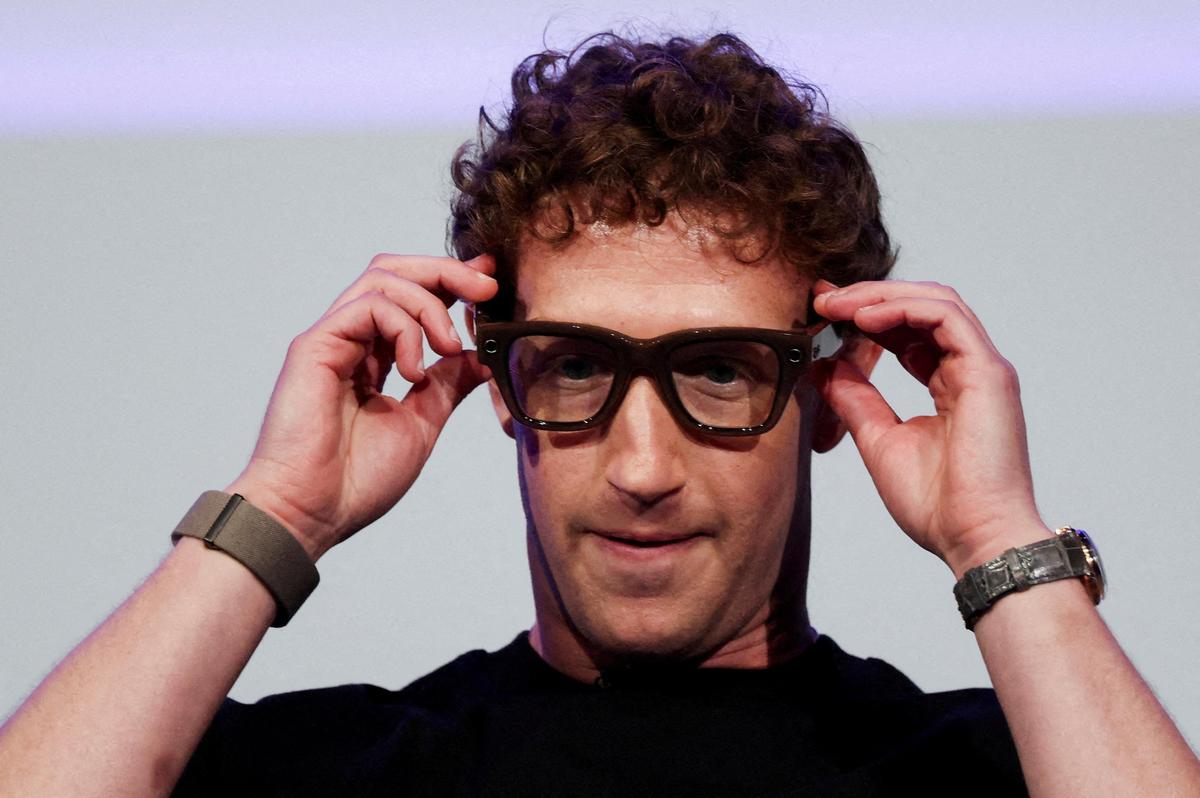
Credits: Reuters
India Tightens Oversight of Digital Platforms
India is one of Meta’s largest markets, with hundreds of millions of users across Facebook, Instagram, and WhatsApp. Given this massive user base, the government’s expectations around platform accountability have steadily increased.
Authorities have repeatedly emphasised that technology companies must respond more quickly to harmful content, cooperate with investigations, and strengthen safeguards against abuse.
The recent meeting reflects a broader shift in India’s regulatory stance, where digital platforms are increasingly expected to demonstrate transparency in moderation practices and assume greater responsibility for the content their recommendation systems amplify.
For Meta, the apology represents more than a response to isolated incidents. It signals recognition that maintaining trust with regulators is becoming just as important as expanding its user base.
As governments around the world continue examining the influence of large technology companies, India’s engagement with Meta could shape future debates over platform liability, algorithmic accountability, and the limits of intermediary protections in the digital age.