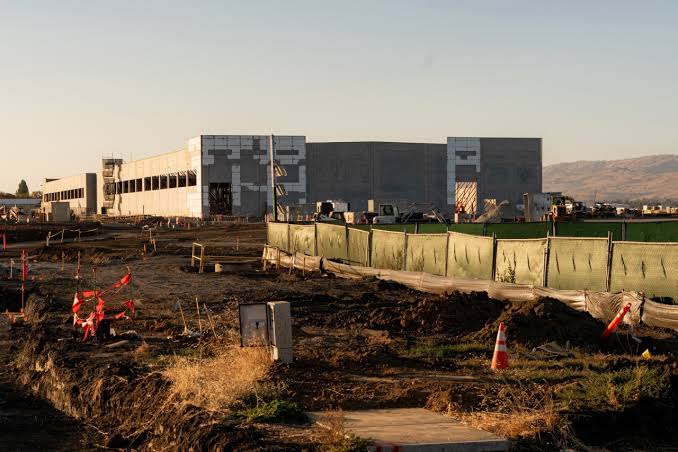
The construction of a massive Amazon data center in Gilroy, California, has caught residents by surprise, highlighting a growing tension surrounding the rapid expansion of artificial intelligence infrastructure. While the project itself was approved through established local procedures, many residents are now questioning whether communities are being given enough opportunity to understand and discuss developments that could significantly affect their future.
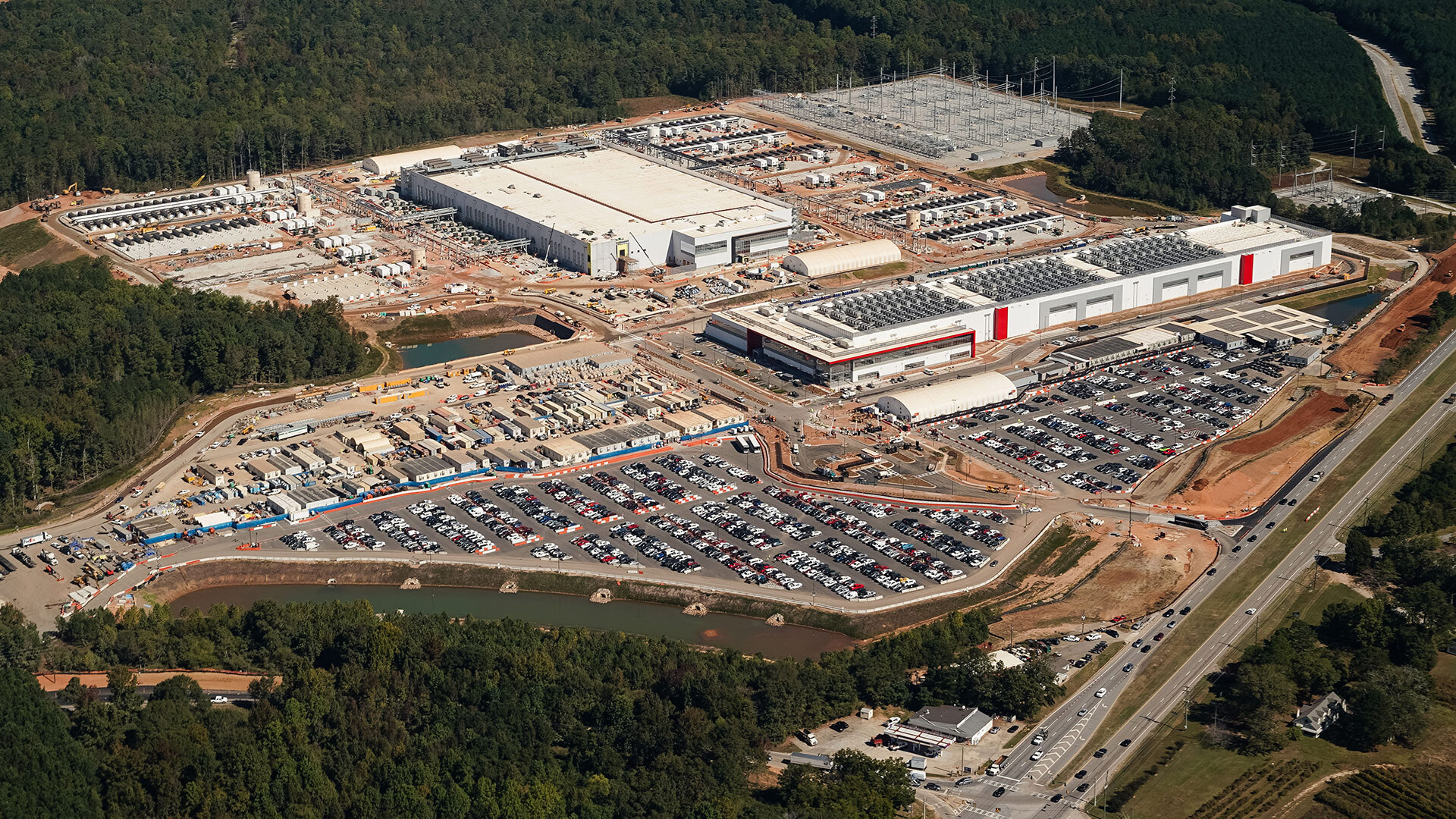
Credits: Tom’s Hardware
Amazon’s Data Center Project in Gilroy
Located roughly 30 miles southwest of San Jose, Gilroy is known for its agricultural land, shopping destinations, and annual Garlic Festival. The city is now becoming home to a major Amazon data center being developed on approximately 56 acres of farmland between a Walmart Supercenter and the Gilroy Premium Outlets.
Amazon began the application process for the project in 2020, meaning the development was not technically hidden from the public. The approval process included public notices and opportunities for residents to submit comments.
However, the project took several years to move forward. Amazon reportedly experienced delays during the permitting process, while city officials also rejected or challenged some of the company’s requests.
The controversy today is less about whether Amazon followed the rules and more about whether those rules are still appropriate for the age of artificial intelligence.
Why Residents Were Caught Off Guard
Data centers have become a major point of public debate as companies race to build the computing infrastructure required for AI services, cloud platforms, and other digital technologies. These facilities can consume significant amounts of electricity and water, while also occupying large areas of land.
For many Gilroy residents, the Amazon project became a much bigger issue only after construction began.
Resident Rosa Rodriguez, for example, wanted to raise concerns about the potential impact of the facility on a region already affected by drought. However, she was informed that the official public-comment period had ended in 2024, before data center developments became such a prominent national issue.
That has created an unusual situation: a project can comply with decades-old zoning regulations while still leaving residents feeling excluded from a conversation they believe should be happening today.
Gilroy’s Rules Date Back Decades
Gilroy Mayor Greg Bozzo defended the approval process by pointing out that similarly large industrial developments had previously been approved without significant public resistance.
From the city’s perspective, the Amazon facility was handled under the same framework used for other industrial projects. The difference is that public attitudes toward data centers have changed dramatically.
Artificial intelligence has transformed data centers from relatively obscure pieces of digital infrastructure into enormous industrial developments that can influence electricity demand, water consumption, land use, and local tax revenues.
Bozzo acknowledged that residents are now more aware of these developments and suggested that Gilroy may need to reconsider how it handles major projects in the future.
Amazon Promises Water Solutions and Community Benefits
Amazon says it is taking steps to reduce concerns about the project’s environmental impact. The company is constructing a wastewater recovery system designed to provide water for the facility and plans to build a pipeline to transport wastewater to the site.
The company has also increased its community engagement, saying its officials have met residents and organized an open house where people could ask questions and provide feedback.
There are also financial benefits for Gilroy. The project is expected to generate additional tax revenue and construction employment. Amazon has also committed $1 million toward a new fire truck and has provided grants to local nonprofit organizations while sponsoring the city’s Garlic Festival.

Credits: WSJ
A Bigger Debate About Data Centers
The Gilroy controversy reflects a much larger debate unfolding across the United States. As technology companies build infrastructure at unprecedented speed, communities are increasingly asking whether existing planning and zoning systems are capable of dealing with projects of this scale.
For Gilroy, the Amazon facility may ultimately bring jobs, investment, and tax revenue. But the controversy demonstrates that following the rules is not necessarily the same as maintaining public confidence.
The biggest lesson may therefore have little to do with Amazon itself. Instead, Gilroy’s experience raises a broader question: when technology changes faster than local regulations, should communities update their rules before the next major project arrives?