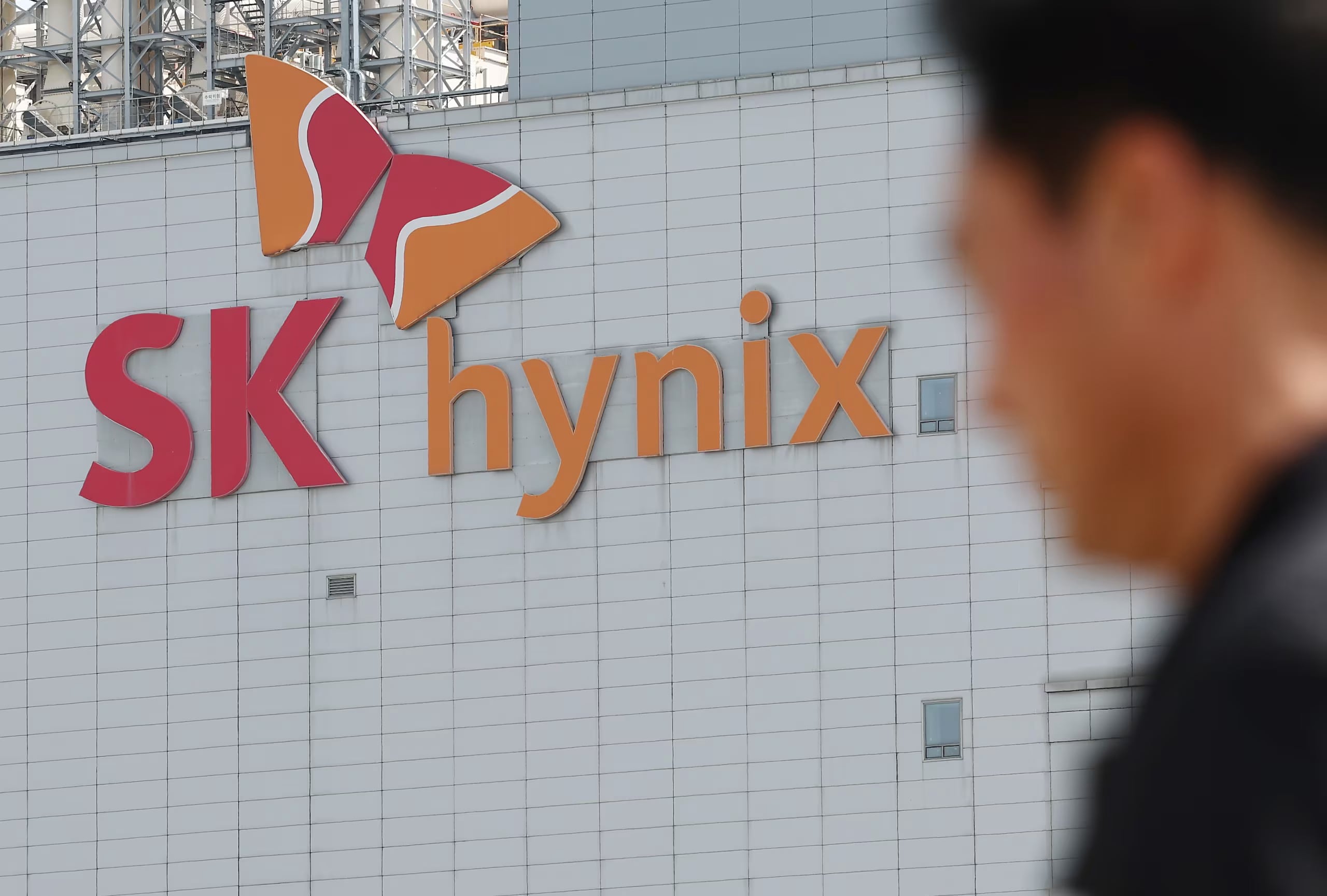
A former employee of South Korean semiconductor giant SK Hynix has been sentenced to prison for leaking confidential technology and business information to a Chinese company, in a case highlighting growing concerns over the protection of advanced semiconductor technologies.
The former employee was sentenced to 18 months in prison after being found guilty of obtaining confidential information from SK Hynix and providing some of the material to a Chinese company. The case has drawn attention in South Korea as authorities step up efforts to prevent sensitive industrial technology from being transferred to overseas companies.
The employee had previously worked for SK Hynix and had access to internal company information as part of the job. Investigators found that the former employee improperly obtained documents containing confidential information from the company’s internal systems.
Some of the information was subsequently provided to a Chinese company, according to the case. The identity of the Chinese firm has not been publicly disclosed.
The leaked information involved semiconductor technology, including material related to CMOS image sensors. These components are used to convert light into electrical signals and are found in a wide range of electronic devices, including smartphones, computers, cameras and other consumer electronics.
Although SK Hynix is best known globally for its memory semiconductor products, the company has also developed and maintained expertise across other areas of semiconductor technology. Confidential technical information can have significant commercial value because it may contain details about manufacturing processes, production problems and methods used to improve chip performance.

According to details surrounding the case, the employee obtained confidential documents from an SK Hynix internal server. Some of the material was printed or photographed, allowing it to be removed from the company’s normal digital environment.
The employee later used some of the information in dealings with the Chinese company. Investigators considered the conduct a violation of the company’s security requirements and an unauthorized disclosure of trade secrets.
The court ultimately determined that the conduct warranted a prison sentence.
The 18-month sentence reflects the seriousness with which South Korean authorities increasingly view the theft or transfer of advanced industrial technology. Semiconductor technology is considered strategically important to South Korea because the country is home to some of the world’s largest chip manufacturers and relies heavily on the industry for exports and economic growth.
SK Hynix is one of the world’s leading memory-chip producers. Its semiconductors are used in smartphones, personal computers, servers and data centers, as well as increasingly in systems designed to support artificial intelligence and high-performance computing.
The semiconductor industry has become particularly important as countries compete to strengthen their domestic technology capabilities. Governments around the world are providing financial incentives to chipmakers while simultaneously imposing stricter controls on the transfer of sensitive technologies.
South Korea has responded by strengthening laws and enforcement measures aimed at protecting critical industrial technologies.
The SK Hynix case illustrates one of the biggest challenges facing semiconductor companies: protecting information from people who already have legitimate access to it.
Large chip companies employ thousands of engineers, researchers, technicians and other specialists. Employees must have access to substantial amounts of technical information to perform their jobs, but that access can create security risks if confidential material is copied or transferred without authorization.
Companies have increasingly introduced monitoring systems, access restrictions and internal security policies to prevent sensitive information from leaving their networks. However, determined employees can sometimes bypass those protections by photographing documents, printing files or using other methods to remove information from controlled systems.
The consequences can be substantial.
Developing advanced semiconductor technology requires enormous investments in research, equipment and skilled workers. A company can spend years solving manufacturing challenges and improving production techniques. If a competitor obtains that knowledge without making the same investment, it could potentially reduce the time and cost required to develop similar technology.
That is one reason South Korean prosecutors and courts have pursued technology-leak cases involving semiconductor, display, battery and other advanced industries.
The government has warned that industrial espionage can damage not only individual companies but also the country’s broader economic competitiveness.
The case involving the former SK Hynix employee also demonstrates the international nature of the semiconductor industry. South Korean companies operate manufacturing facilities, offices and research operations in numerous countries. Employees frequently work across borders, making information security a global challenge.
At the same time, South Korean companies face intense competition from Chinese semiconductor firms seeking to expand their technological capabilities. Beijing has invested heavily in developing its domestic semiconductor industry and reducing reliance on foreign technology.
This competition has increased concerns in Seoul about the unauthorized transfer of technologies developed by South Korean companies.
The former employee’s prison sentence serves as a warning to workers who handle sensitive corporate information that unauthorized disclosure can carry serious criminal consequences.
The case also sends a message to companies seeking access to advanced technologies through improper channels that South Korean authorities are prepared to pursue technology-leak allegations.
For SK Hynix and other semiconductor manufacturers, protecting intellectual property has become almost as important as developing it. As competition over artificial intelligence, advanced chips and other high-tech industries intensifies, proprietary manufacturing knowledge is increasingly treated as a strategic asset.
The 18-month prison sentence therefore carries significance beyond the individual case. It reflects South Korea’s broader effort to protect its semiconductor industry and prevent valuable technical knowledge from leaving the country without authorization.
As global competition in the chip industry continues to intensify, cases like this are likely to remain closely watched by companies and governments seeking to protect the technology that underpins one of the world’s most strategically important industries.