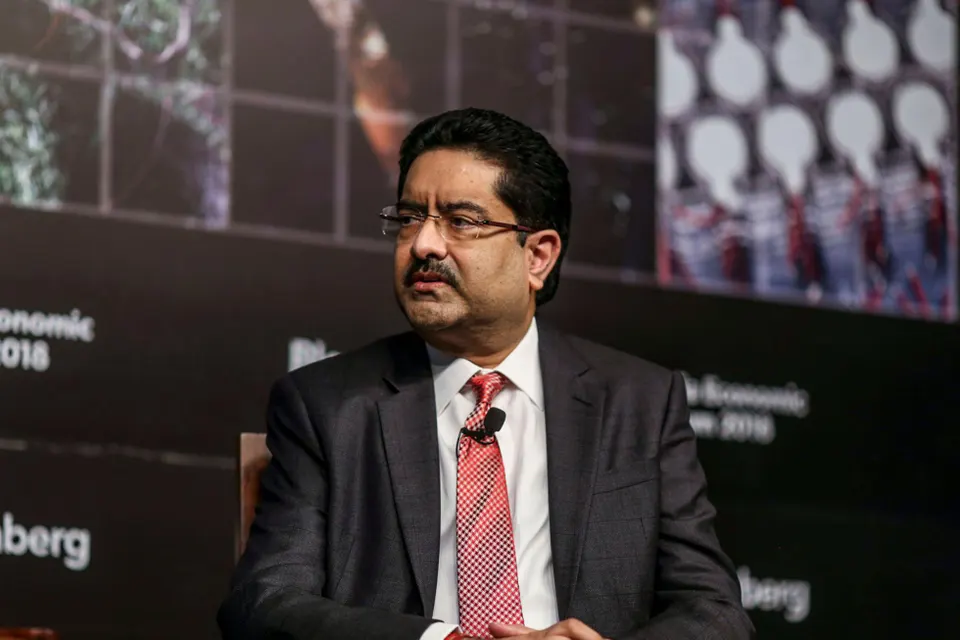
Aditya Birla Group has received loan commitments of up to ₹24,000 crore ($2.5 billion) from at least four Indian banks to finance its acquisition of Shell’s renewable energy assets in India, according to people familiar with the matter.
The financing commitments are around 70% higher than the ₹14,000 crore loan the conglomerate initially sought, highlighting strong interest among Indian lenders in backing large corporate acquisitions.
Axis Bank and State Bank of India have each committed up to ₹7,000 crore, while Union Bank of India and Punjab National Bank have offered credit lines of around ₹5,000 crore each, the people said. They requested anonymity because the details are private.
The actual amount drawn by the group is expected to be lower than the maximum limits offered by the banks.

Credits: Forbes
Banks Compete for a Share of India’s Big Deals
The financing comes as Indian banks increasingly compete with global lenders for a larger role in the country’s expanding mergers and acquisitions market.
Aditya Birla Group is also in discussions with other major lenders, including HDFC Bank and Kotak Mahindra Bank, which could potentially provide additional credit lines for the transaction.
The strong lender response reflects growing confidence in large corporate deals as India’s acquisitions market continues to expand. The country has recorded more than $40 billion worth of deals, creating an opportunity for domestic banks to capture a larger share of acquisition financing.
The shift has also been supported by a regulatory change. The Reserve Bank of India began allowing local banks to finance corporate acquisitions from July 1, a move aimed at supporting economic activity and giving Indian lenders greater flexibility to participate in major transactions.
Aditya Birla Targets 5 GW Renewable Portfolio
The acquisition will be carried out through Aditya Birla Renewables Ltd., which plans to acquire 100% of Solenergi Power Pvt. Ltd.
Solenergi owns Sprng Energy, the renewable energy platform that operates Shell’s renewable assets in India. Through the transaction, Aditya Birla Group will gain control of a renewable energy portfolio with approximately 5 gigawatts of capacity.
The deal represents a significant expansion of the conglomerate’s presence in India’s rapidly developing clean-energy market. Demand for renewable power has been rising as India seeks to increase its clean-energy capacity while reducing its dependence on fossil fuels.
For Aditya Birla Group, the acquisition also provides an opportunity to build scale in a sector expected to attract substantial investment over the coming years.
Long-Term Loans Come at 7.6%-7.7% Interest
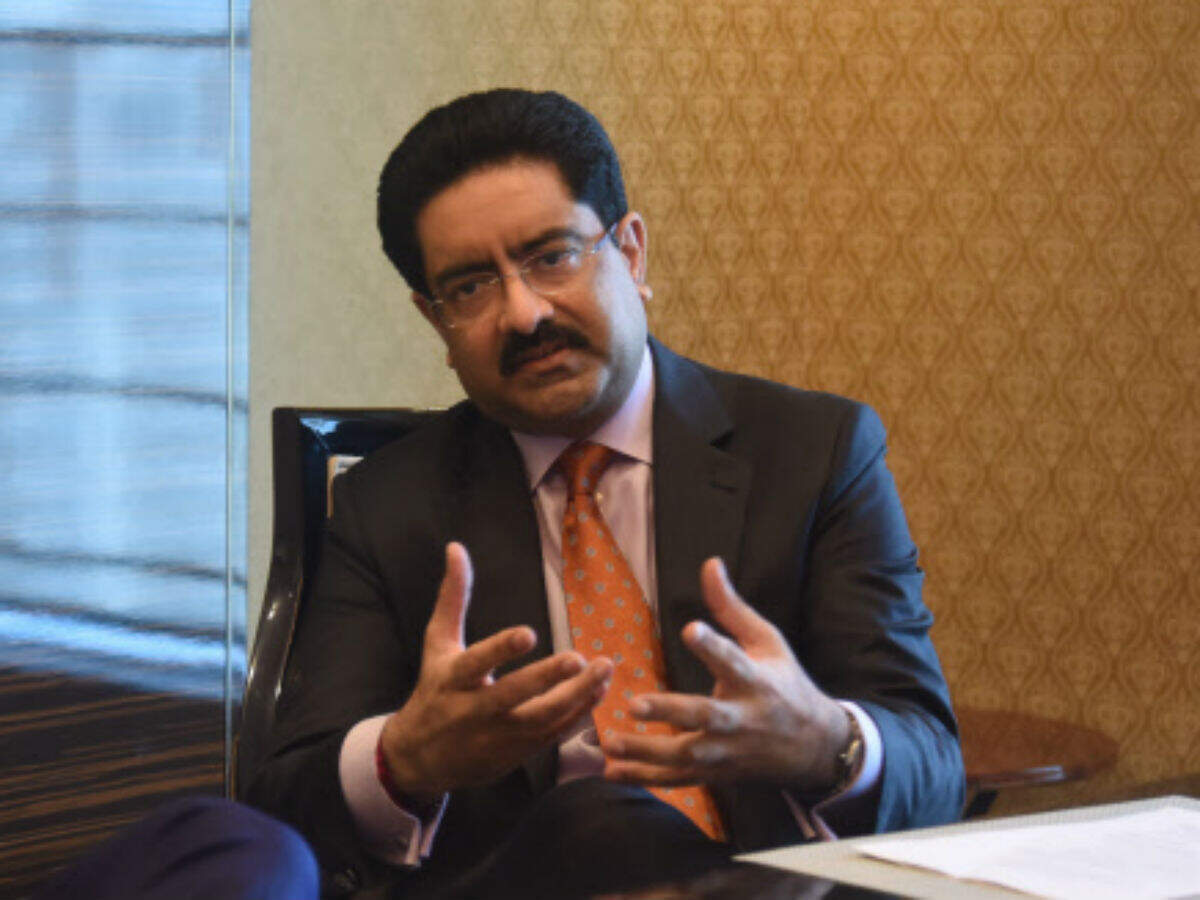
The financing package is structured as a club loan, with interest rates ranging from 7.6% to 7.7%. The loans have long tenors of between 12 and 20 years and are being taken by multiple special-purpose vehicles backed by the conglomerate, according to the people familiar with the matter.
The long repayment period reflects the nature of renewable energy projects, which typically require substantial upfront investment but can generate relatively predictable cash flows over extended periods.
The financing terms also demonstrate lenders’ willingness to provide long-duration funding for major infrastructure and energy projects.
Credits: ET Retail
Indian Banks See Lending Boom
The deal comes as lending activity across India’s banking sector accelerates.
Loans extended by Indian banks rose 18.3% to around ₹22,000 crore between January and August 15, according to central bank data. That growth outpaced the 14.7% increase in deposits during the same period.
Indian lenders could also benefit from a potential increase in liquidity after the country raised a record $127 billion from its overseas diaspora through an aggressive push by banks. The additional liquidity is expected to put downward pressure on borrowing costs.
For Aditya Birla Group, the availability of large-scale domestic financing could make the Shell renewables acquisition easier to execute while reducing its dependence on international lenders.
The unusually large commitments also underline how India’s banking sector is positioning itself for the next wave of corporate acquisitions, infrastructure investments and energy projects.
As domestic banks gain greater freedom to finance acquisitions, competition for major deals could intensify—and Indian companies may find themselves with more financing options than ever before.