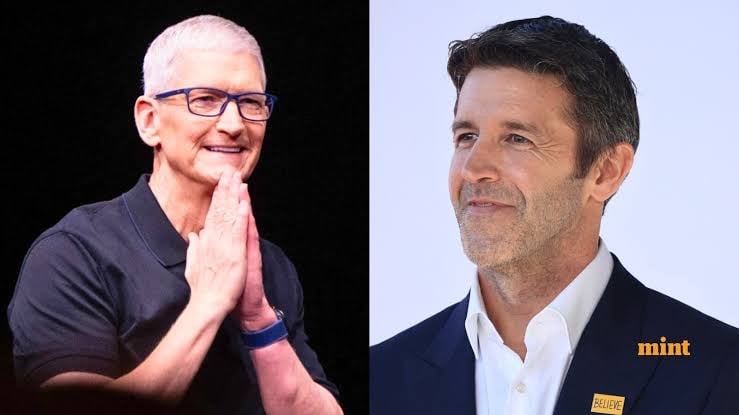
Apple has officially entered a new chapter in its leadership history. After 15 years at the helm, Tim Cook has stepped down as chief executive officer, handing control of the world’s most valuable technology companies to longtime Apple executive John Ternus.
The leadership transition became official on September 1, with Ternus taking over as CEO. Cook, meanwhile, has moved into the role of executive chairman, allowing him to remain closely connected to the company while stepping away from its day-to-day operations.
The transition comes with substantial compensation for both executives. Ternus is set to receive a target annual compensation package of approximately $58 million for fiscal 2027, while Cook will receive a compensation package worth about $47 million in his new role.

For Ternus, the package includes a $3 million annual base salary and a stock award with a target value of $55 million. The overwhelming majority of his compensation is therefore tied to equity rather than a traditional salary.
The new CEO will also receive a prorated restricted stock unit award worth approximately $2.5 million for fiscal 2026.
The structure of Ternus’ compensation is particularly significant because much of the stock award is linked to Apple’s performance. Around three-quarters of the equity award is tied to the company’s performance relative to other companies in the S&P 500. In other words, Ternus stands to benefit substantially if Apple continues to outperform the broader market.
Tim Cook Steps Aside, But Stays Close
Although Cook is no longer running Apple, his departure from the CEO position does not mean he is leaving the company.
As executive chairman, Cook will continue to play an important role in Apple’s broader strategy. His new compensation package includes a $2 million annual salary and a target stock award worth $45 million, bringing his total target compensation to approximately $47 million.
The figure is only $11 million below Ternus’ target package, underscoring how important Apple still considers Cook’s experience and leadership.
Cook’s compensation structure is also heavily connected to Apple’s stock performance, although the performance component is smaller than the one attached to Ternus’ package.
Cook’s move marks the end of one of the longest CEO tenures in Apple’s modern history. He became CEO in 2011 after Steve Jobs stepped down, inheriting the responsibility of leading a company that was already one of the world’s most influential technology brands.
Over the following 15 years, Apple expanded dramatically in both scale and reach.
The Rise of John Ternus
Unlike some major corporate leadership transitions, Apple’s latest change does not involve an outsider taking over.
Ternus is an Apple veteran who has spent more than two decades with the company. He joined Apple in 2001 and gradually rose through its hardware organization before becoming senior vice president of Hardware Engineering.
His career has placed him close to some of Apple’s most important products and technologies. His deep understanding of the company’s hardware development process has made him one of Apple’s most prominent internal leaders.
That background could shape the company’s next phase.
Ternus takes over at a time when Apple faces a rapidly changing technology industry. Artificial intelligence has become one of the biggest areas of competition among technology companies, while consumer expectations for new devices continue to rise.
Apple must also maintain the momentum of its enormous existing product ecosystem while finding the next major category capable of driving growth.
The decision to promote Ternus suggests that Apple wants continuity rather than a dramatic change in corporate culture.
A Different Challenge Than Cook Faced
When Cook became CEO, one of his biggest responsibilities was proving that Apple could continue to thrive without Jobs.
He eventually built his own leadership legacy, transforming Apple into a company with a much broader ecosystem of hardware, software and services.
Under Cook, products such as the Apple Watch and AirPods became important parts of Apple’s business, while services including Apple Music, Apple TV+ and iCloud expanded the company’s recurring revenue streams.
Cook also oversaw Apple’s enormous expansion in market value and its increasingly complicated global supply chain.
Ternus now inherits that success, but also a different set of problems.
The smartphone market is mature, competition in artificial intelligence is intensifying, and investors are demanding continued innovation from Apple. The company is also expected to keep expanding its product portfolio while maintaining the premium positioning that has defined the brand.
For Ternus, the pressure will therefore be less about preserving Apple’s existing success and more about identifying where the next wave of growth will come from.
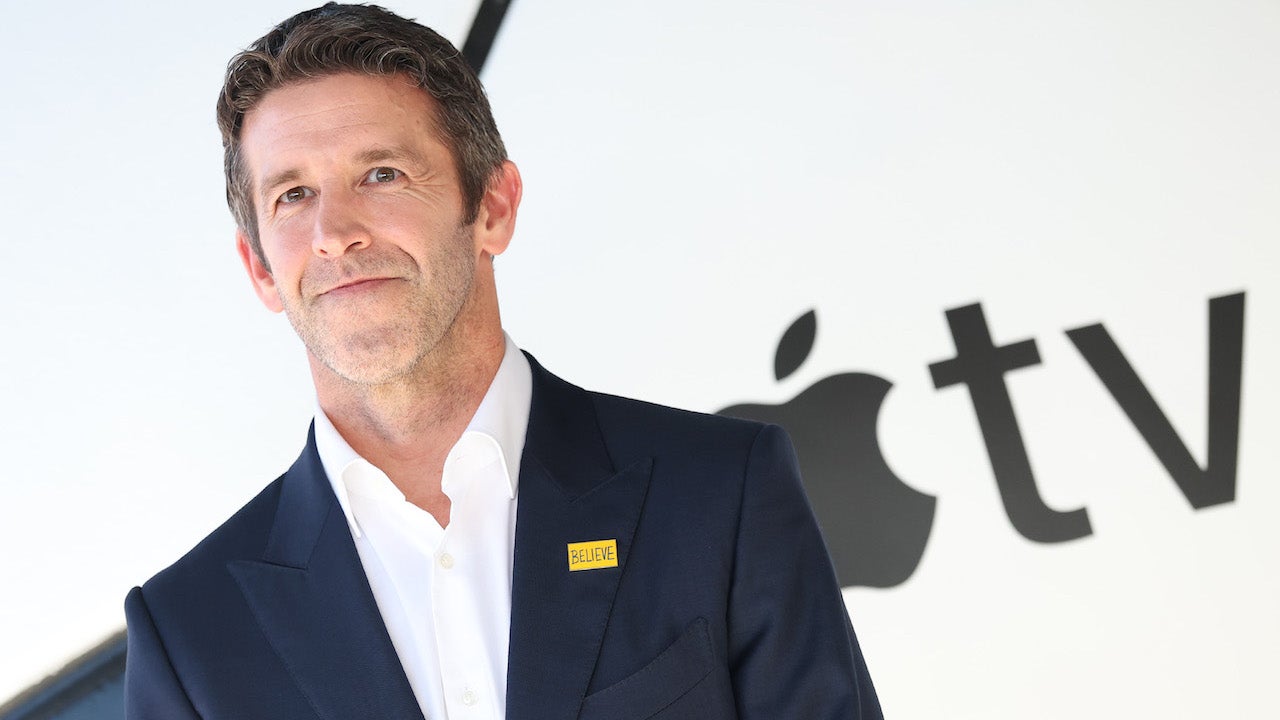
What the $58 Million Package Means
Ternus’ compensation package sends a clear message about Apple’s expectations.
His $3 million salary is relatively small compared with the overall value of his package. The bulk of the potential compensation comes from stock awards, meaning his financial reward is closely connected to Apple’s long-term performance.
This approach also aligns his interests with shareholders.
If Apple performs strongly and its stock outpaces the broader market, Ternus could receive significantly greater value from his equity compensation. If the company struggles, the value of those stock awards could be considerably lower.
Cook’s $47 million package, meanwhile, demonstrates that Apple still expects to benefit from his experience even after his transition away from the CEO role.
The arrangement gives Apple something unusual: a new CEO with operational control and a former CEO with years of institutional knowledge still positioned close to the company’s leadership.
Apple’s Next Era Begins
The transition from Cook to Ternus is unlikely to produce an overnight transformation at Apple. Ternus has spent most of his career inside the company and understands its products, engineering culture and leadership structure.
But becoming CEO puts him in charge of decisions that extend far beyond hardware.
He will now have to navigate Apple’s artificial intelligence ambitions, product strategy, global supply chain, regulatory challenges and relationships with consumers and investors.
For Cook, the new role provides an opportunity to remain involved without carrying the enormous day-to-day responsibilities of being CEO.
For Ternus, meanwhile, the $58 million target package comes with an equally significant expectation: deliver Apple’s next chapter of growth.
The leadership baton has officially changed hands. Cook is stepping aside, but he is staying in the room. Ternus is now running the show—and Apple has put a $58 million target on his performance.