
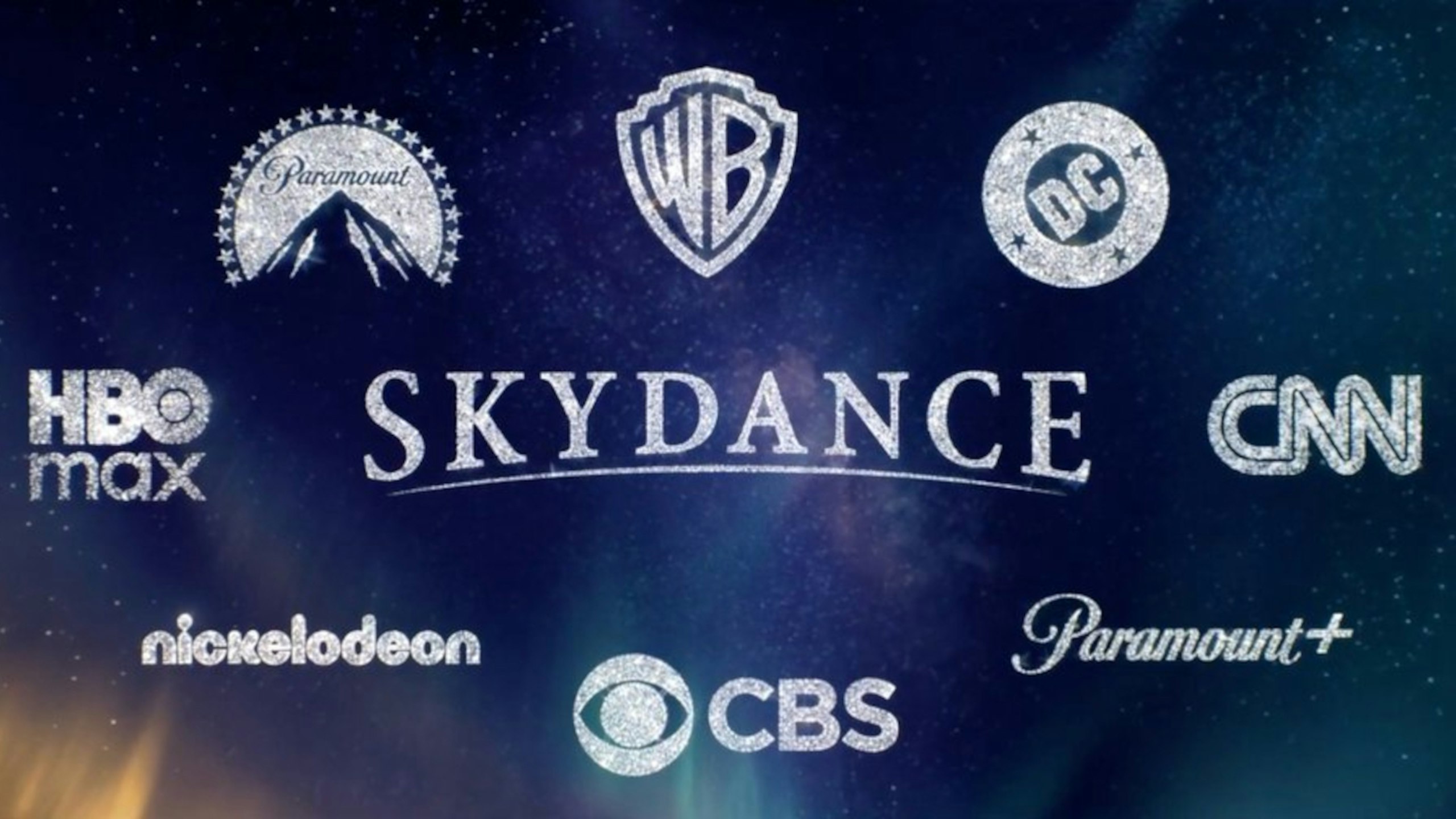
Paramount Skydance is set to complete its acquisition of Warner Bros. Discovery next week, marking the beginning of a major new chapter for two of Hollywood’s biggest entertainment companies. Ahead of the closing, CEO David Ellison has revealed that the combined company will operate under the Skydance name.
Warner Bros. Discovery is scheduled to officially merge with Paramount Skydance on October 6, following a lengthy regulatory approval process and a settlement that cleared the way for the transaction. Paramount had ultimately prevailed over an earlier deal involving Netflix for Warner Bros. Discovery’s assets.
The merger will bring together major entertainment brands and streaming platforms, including HBO Max and Paramount+, creating one of the largest combined media businesses in the industry.
Credits: Empire
Skydance Emerges as the New Corporate Identity
David Ellison announced the new corporate identity after joining X, revealing that Skydance will be the name of the merged Paramount-Warner Bros. company.
The choice puts the Skydance brand at the center of the newly combined business, despite the much larger legacy of Warner Bros. and Paramount in film and television.
The merger brings together Warner Bros. Discovery’s extensive portfolio of entertainment properties with Paramount’s studios, television networks and streaming operations. The combined company will have access to franchises and content libraries spanning film, television, sports and streaming.
The transaction also represents a significant expansion for Skydance, which previously operated as a production and media company before combining with Paramount.
HBO Max and Paramount+ Could Become One Service
One of the biggest changes for consumers could come from the two companies’ streaming businesses.
Earlier this year, Ellison said Paramount+ and HBO Max would be combined into a single streaming service if the Warner Bros. Discovery acquisition received regulatory approval. At the time, he estimated that the combined platform could have roughly 200 million subscribers, based on the existing subscriber totals of the two services.
However, the companies had not disclosed what the new service would be called or how its pricing structure would work.
Ellison had also indicated that the HBO brand would remain intact, highlighting its established identity and reputation for premium programming. HBO could therefore continue operating as a distinct brand within the larger streaming platform rather than disappearing completely.
With Skydance now confirmed as the name of the merged company, speculation is growing that the same branding could eventually be used for the combined streaming service.
What Happens to HBO Max and Paramount+?
Despite the planned combination, there is currently no confirmed timeline for when HBO Max and Paramount+ will actually become one platform.
The corporate merger is scheduled to close on October 6, but integrating two major streaming services will likely involve decisions around technology, subscriptions, content libraries, pricing and branding.
For consumers, the eventual outcome could mean access to content from both platforms through a single subscription. It could also reshape how major franchises from Warner Bros. and Paramount are distributed across streaming and theatrical releases.

Credits: Deadline
More details could emerge after the acquisition formally closes next week, including the companies’ plans for integrating HBO Max and Paramount+, the identity of the combined service and its potential pricing structure.
For now, Skydance is set to become the name of the newly merged entertainment company, while the future branding of its streaming platform remains to be officially confirmed.
The merger could also give the combined business greater scale in an increasingly competitive streaming market. Bringing both platforms under one corporate structure could simplify content distribution and reduce duplication across services. However, the companies will still need to determine how existing subscribers, plans and content libraries are transitioned without disrupting the customer experience.